Introduction: A Real-World Look at Power, Heat, and Queue Time
You pull into a busy rest stop outside Joburg, the sun beating down, and every bay is full. EV charger power module choices suddenly feel very real. The queue ticks on, and the display promises 97% uptime and “ultra-fast” delivery, but the average wait still sits at 18 minutes in peak hours; grid tariffs climbed 12% this year, and heatwaves now last longer—ja, we all feel it. Which modules hold their efficiency when heat is high, cars line up, and the grid flickers? Which ones handle high load transients without dropping output or tripping protection logic? And which ones keep the DC bus stable without pushing harmonic distortion back to the feeder? Direct questions, because time and rands are on the line. The thing is, spec sheets use big words, but behaviour under stress tells the story—funny how that works, right? We’re going to compare real constraints with design choices that actually matter (cooling, control, and conversion). Then we’ll look at why similar-looking systems perform miles apart in the field. Right, let’s move from the brochure claims to how these modules stack up when it’s hot, busy, and you just want a solid charge.
Under the Hood: Why Big Numbers Don’t Always Mean Fast Charging
Where do traditional designs fall short?
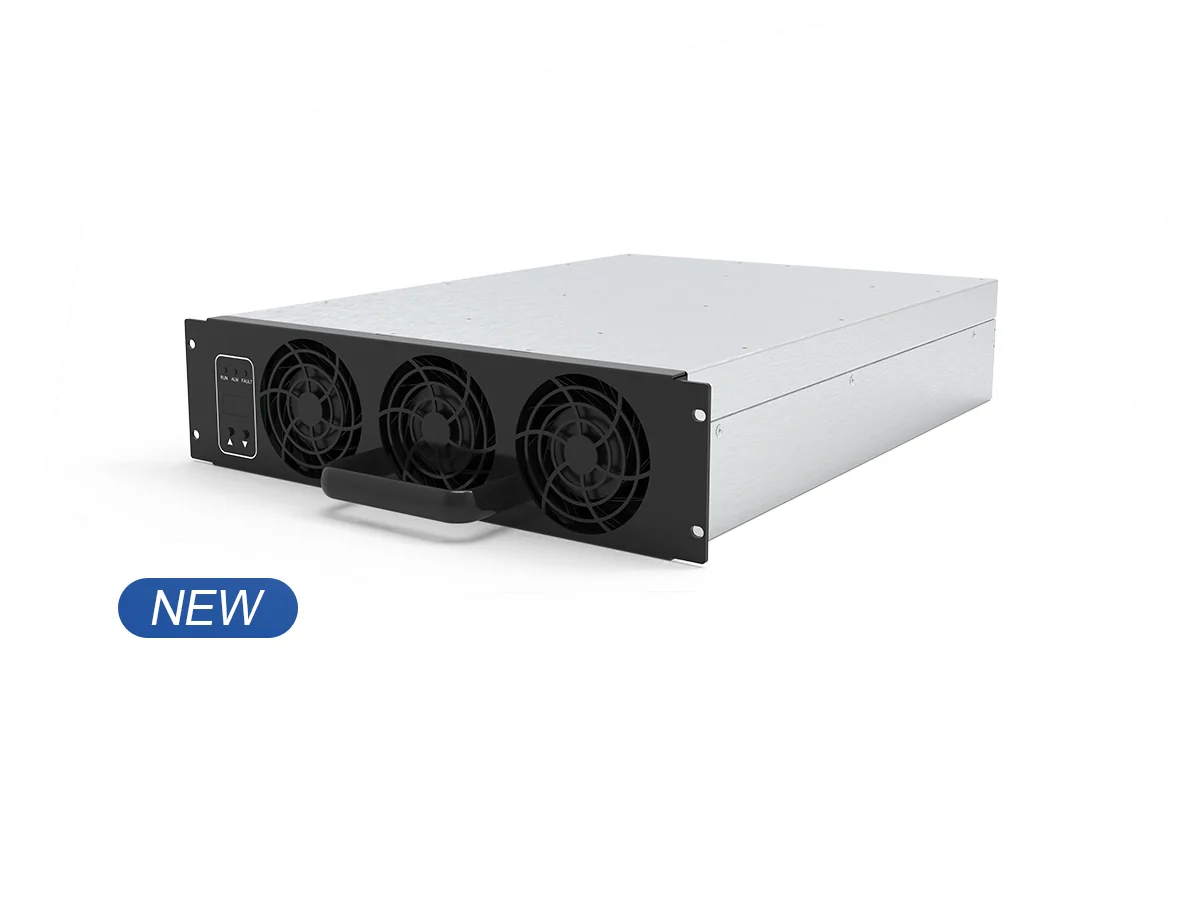
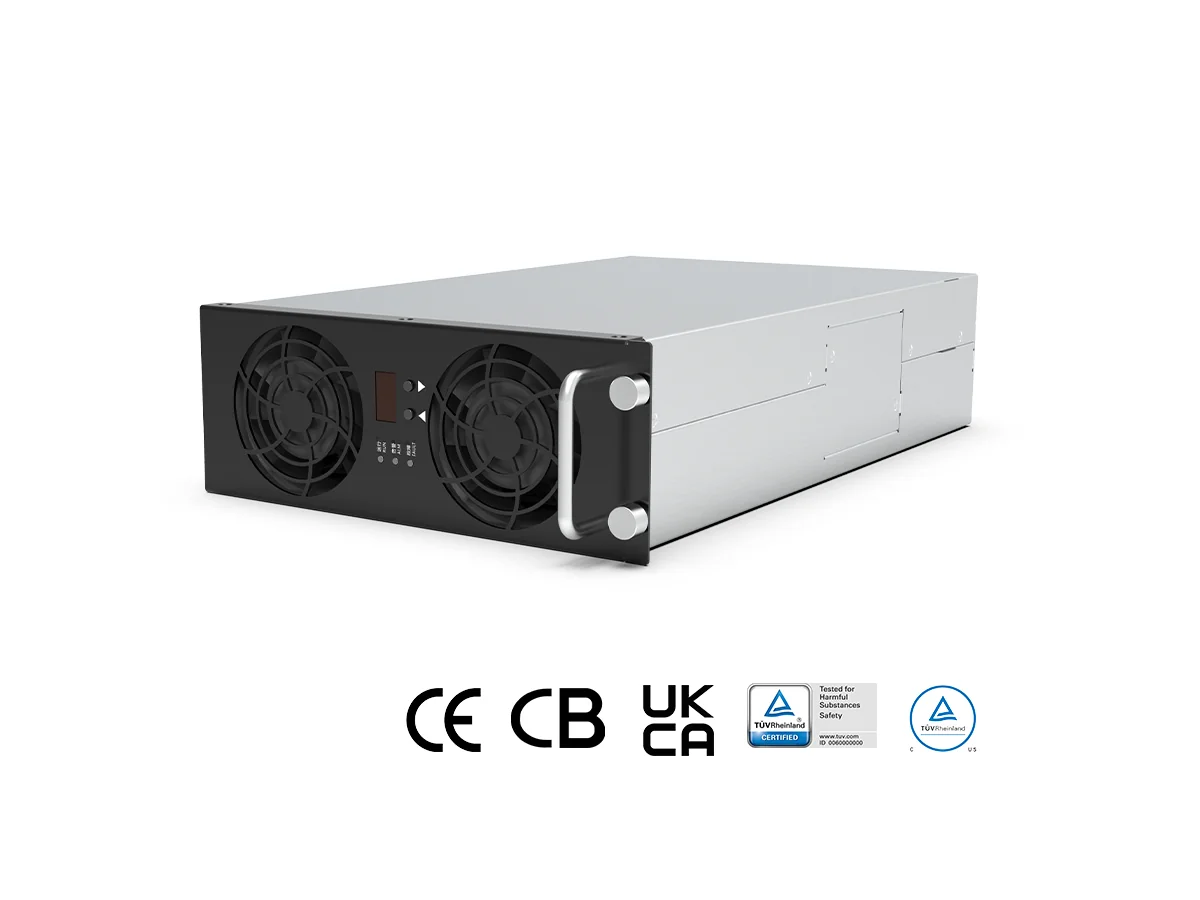
On paper, a 40KW charging module sounds like the answer to range anxiety. Look, it’s simpler than you think: power conversion is not just about peak watts; it’s about how the module holds that output across temperature, line sag, and changing vehicle demands. Many legacy power converters show strong figures at 25°C, but thermal derating kicks in above 40°C, and sustained current drops. If the DC bus ripple grows under load transients, some vehicles slow the session to protect their onboard systems. Add poor active PFC tuning and you get rising harmonic distortion upstream—operators pay for it later. And if the firmware polls too slowly over CAN bus, ramp control lags, which makes sessions feel jerky rather than smooth.
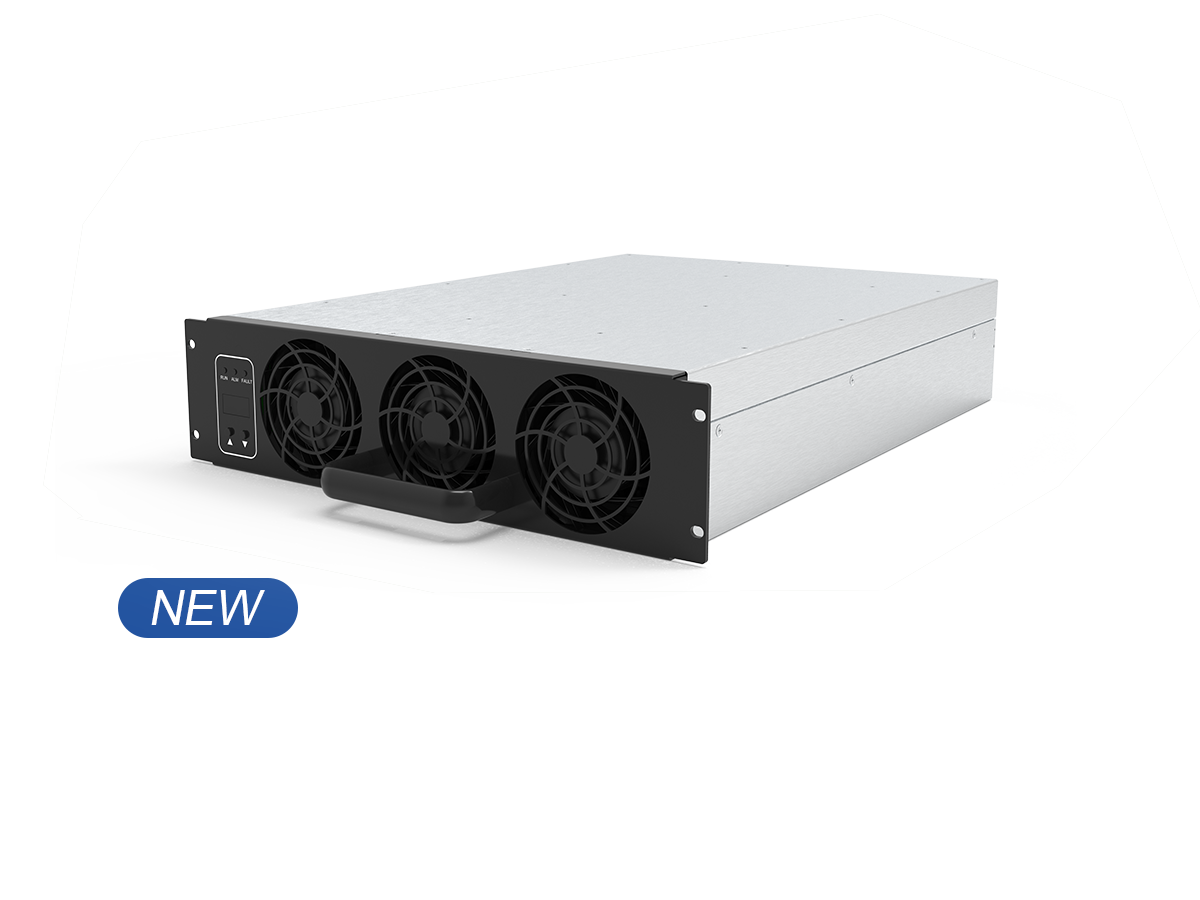
Then there’s reliability. Older topologies may use less efficient switches and basic fans that spike noise and pull in dust. Under stress, they throttle. In mixed fleets, that means one bay flies while the next crawls—because the control loop can’t adapt fast. Edge computing nodes near the dispensers can help, but only if the module firmware exposes useful telemetry. Without it, health checks and predictive alerts arrive too late. The headline number still says 40 kW, but the efficiency curve tells you when it actually delivers. And that’s the kicker: consistency beats bursts, especially when heat and queue length go up.
Forward-Looking Principles: How New Design Choices Change the Game
What’s Next
The newer approach is clear: design for stability first, then speed. A modern 40kw EV charger module that uses SiC MOSFETs cuts switching losses and keeps the efficiency curve high at partial load. Strong active PFC (think 0.99 at rated) reduces grid stress, while galvanic isolation and better EMI filters keep noise in check. Liquid-cooled cold plates, or well-channeled forced air, push thermal headroom up, so there’s less derating in summer. With smarter digital control loops, the module reacts to load transients faster and keeps DC bus ripple tight. Firmware that exposes real-time metrics—temperature hotspots, fan RPMs, and output variance—lets edge computing nodes predict a fault before it ruins the queue. Small changes, big effects—funny how that works, right?
Comparing old vs new, you see fewer surprises. The latest power converters pair active thermal management with adaptive control logic, so output stays flat across broad conditions. They also allow better scheduler logic: when several bays draw at once, the system orchestrates power sharing without starving a single vehicle. OTA updates over CAN bus or Ethernet keep control algorithms fresh, and that means better behaviour over time, not worse. In short, the next wave is about repeatable performance across heat, load, and grid noise—because the fastest session is the one that doesn’t stumble. Look, it’s simpler than you think: stable design equals happy drivers and shorter queues.
If you’re choosing a module today, use three checks that cut through the noise. One: ask for efficiency curves at multiple temperatures, not just a single “headline” point, and confirm how thermal derating is managed. Two: demand transient response data—DC bus ripple under step loads, plus harmonic distortion at partial load—so cars don’t back off mid-session. Three: inspect serviceability and telemetry depth (alarms, lifetime counters, hotspot maps) to enable predictive maintenance. Do those three and you’ll spot the quiet winners fast. For context and further reading on modules that embody these traits, see winline EV charger.