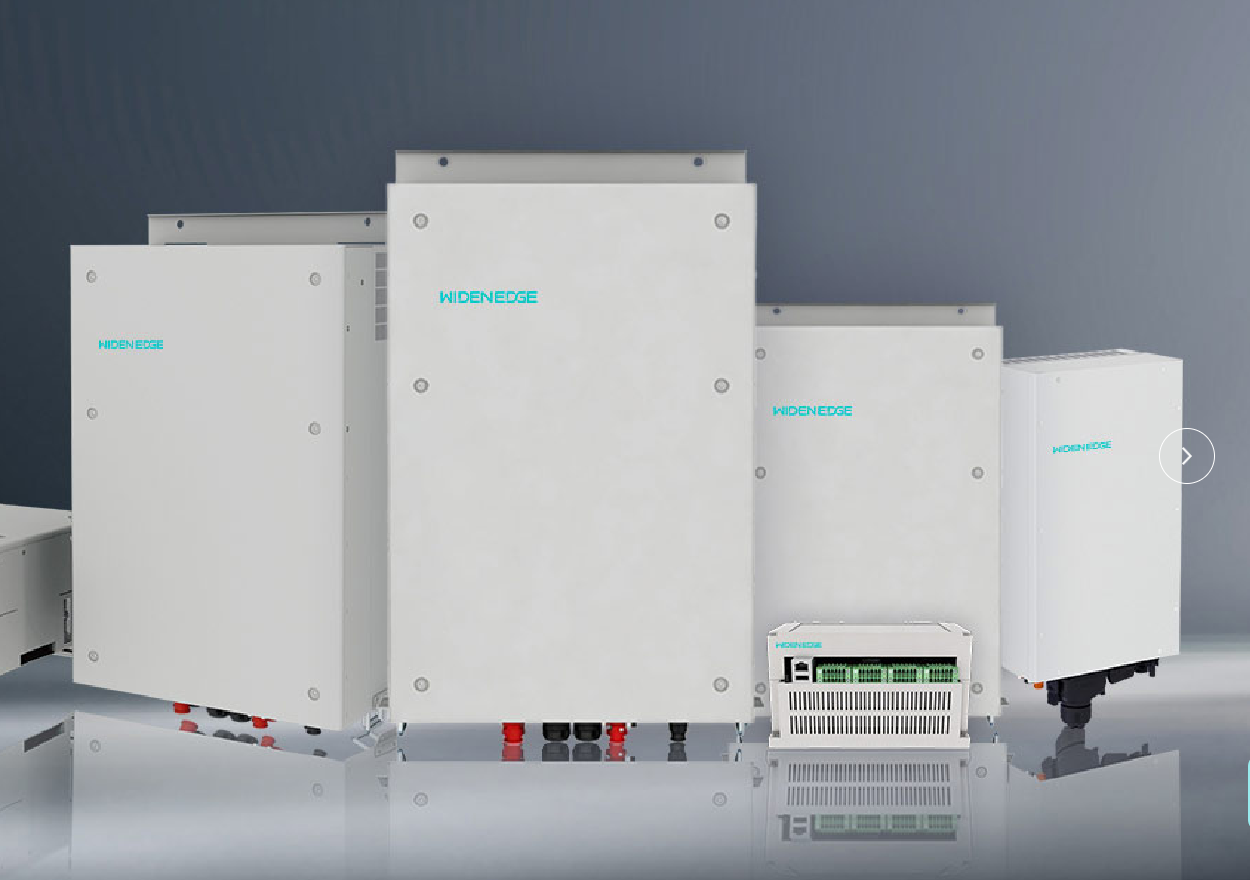
Spot the trouble: why 60kW setups go pear‑shaped
Right then — straight talk. Many commercial sites think whack a 60kW inverter in and Bob’s your uncle, but that’s where the faff starts, especially when you’re tying in off grid energy storage systems and local island microgrid energy storage on the same wiring loom; the sizing, control logic and thermal realities clash. I’ve seen this play out on island grids like Hawaii’s island grids where storage and inverter choices made or broke reliability. Problems stack up quick: mismatched charge profiles, remote-commissioning headaches, and inverters that aren’t built for the heat or salty air. No faff, no fluff — just the problem, why it’s happening, and what to do about it.
What’s actually going wrong
Faults show up in familiar ways: persistent over-temperature trips; battery state-of-charge oscillations; weak black‑start behaviour; flaky remote comms when the dog and bone goes quiet. Root causes tend to be plain as day — wrong inverter control mode for standalone work, inadequate BMS coordination, under-spec cooling and poor commissioning checks. When installers pin hopes on a single “smart” inverter without system-level testing, the whole setup wobble like a dodgy table.
Why 60kW is a tricky sweet spot
Sixty kilowatts sits between small commercial and utility realms. It’s big enough to need grid-forming control mindsets but small enough that vendors reuse grid-tied designs. That mismatch causes: inconsistent waveform quality under sudden load, limited islanding time before brownouts, and constrained parallel operation if you ever try scaling. Think of it as the neither‑fish‑nor‑fowl of inverters — needs bespoke attention.
Practical fixes that work on the ground
Sort this lot proper: pick an inverter with explicit grid‑forming capability; match battery nominal voltage and recommended C‑rates; insist on an open, tested control protocol for BMS handshake; deploy adequate thermal shielding for coastal sites; set up staged commissioning with load banks. Also, make remote monitoring resilient — redundant SIMs, store‑and‑forward logs, and watchdogs so the dog and bone don’t leave you blind. Simple checks first: verify firmware supports intended black‑start sequence; run a full discharge/charge cycle test before handover.
Design checklist for installers and specifiers
Use this as a short list you can tick off on-site: confirm grid‑forming mode; verify parallel synchronization limits; validate BMS charging curve match; size cooling for ambient plus 10°C; include a minimum of N+1 redundancy for critical loads; document failover logic and local manual bypass. Do the paperwork right. A labelled wiring diagram and a live‑tested recovery plan save time and grief.
Common pitfalls that still catch folk out
Ignoring ambient conditions; trusting vendor default settings; assuming cloud telemetry is a substitute for local alarms; skimping on battery cycle testing. Don’t get your barnet in a twist over initial cost — the cost of repeated site visits and emergency diesel starts eats margins faster than you think. Fix the systems so the kit behaves when the lights go nickers.
Alternatives and when to pick them
If you need modular growth, opt for multiple smaller inverters with a master controller rather than a single 60kW monolith. If resilience is king, choose inverters rated for long-duration cycling and pair with a BMS designed for heavy shallow cycling. If remote islands or salty air are in play, favour marine-grade enclosures and field‑friendly service contracts. Each path trades upfront costs for operational predictability.
Wrap: how to stop the rot and keep business humming
No sweet talk — sort engineering, commissioning, and ops from day one. Document expectations, test with the real loads, programme the BMS/inverter handshake, and plan redundancy like you mean it. That’s the no-nonsense route to reliable commercial off‑grid power, the same kind of systems I’d trust in tricky island projects, and the practical approach embedded in the way WidenEdge lays out system designs so operators spend more time running the business and less time chasing faults.