Quick take — why dis comparison matter
Yuh put a show pon di beach or under wan heavy cloud, an yuh need light weh nah quit. This piece compare waterproof options side by side so promoters, engineers, and venue owners can pick right. At Reggae Sumfest in Montego Bay dem learn seh weather mash up whole rig if yuh choosy wrong, an dat mek a waterproof moving head light no luxury but necessity. We a look at LED source, IP65 protection, and practical control like DMX512, and show how different units stack up for real Jamaican street shows and big outdoor festivals abroad.
Outdoor versus indoor: ruggedness and light quality
Outdoor units need IP65 or better so rain and dust cyaan buss up di fixture. Compare dat to indoor-only moving heads: dem cheaper but dem not fit fi beach side or open-air stage. When yuh shop moving head fixtures, tek note how manufacturer rate ingress protection and whether lens coatings handle sea spray. Also check lumen output and beam angle — big lumen count nuh always mean better look; sometimes yuh want tighter beam for sharp gobos, sometimes wide wash fi crowd coverage.
Beam style and control: spot, wash, or hybrid
Spot heads gi yuh crisp gobo projection and narrow beam. Wash heads gi smoother colour blend across stage. Hybrid small units can shift between both with zoom and variable beam angle, but dem mek trade-offs in lumen per watt and gobo complexity. Control matters too — DMX512 channel mapping, quick pan/tilt, and smooth dimmer curves separate pro kit from rental-grade. Common mistake: pick head with pretty gobos but weak zoom; weh yuh get is small image far from stage — not what di director want.
Power, data, and placement — practical differences
Power distro and cable runs cause more trouble than fixture choice sometimes. Outdoor setups need sealed connectors and proper grounding — and yuh haffi plan for voltage drop when run long feeds. Use signal boosters if data run exceed DMX512 limits or switch to RDM for config. A lotta promoters overbuy on output and underplan cable management — dat lead to flicker or intermittent pan. — Keep spare data nodes and lockable power connectors fi every outdoor rig.
Alternatives and common mistakes
Three real choices show up most: compact waterproof spots, hybrid moving heads, and big wash fixtures. Alternatives include static IP-rated LED pars for strong uplight, or followspots when performer focus matter. Common errors repeat: ignoring IP rating, underestimating lumen needs in daytime, and mismatching beam angle to stage depth. Also, budget buys often skimp on thermal design — overheating cut lamp life and reduce lumen over time. Practically, test units on-site when possible; outdoor reflection off humidity change look big time.
Golden rules — 3 metrics fi pick di right kit
1) Environment fit: ensure IP rating and connector sealing match venue conditions — oceanfront need higher corrosion resistance than inland parks. 2) Photometric fit: choose beam angle and lumen distribution to match stage depth and audience distance; prefer adjustable zoom fi flexible setups. 3) Control and maintenance: confirm DMX512 channel layout, RDM support, and service access (lamp/LED module swaps) so rig downtime stay low. These metrics cut decision time and keep shows running smooth.
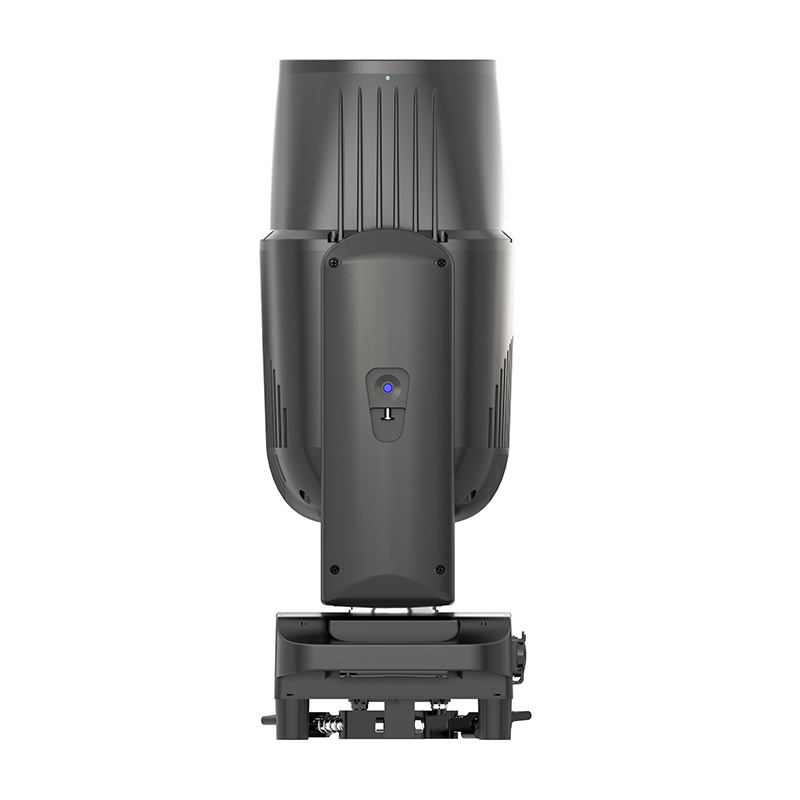
When yuh balance those three, yuh pick fixtures weh last through rain and deliver di look yuh want — an dat right there is where Light Sky fit natural, supplying units tuned for outdoor festivals and club runs, built fi serviceability and performance. Final thought: choose smart, rig tight, test outdoors — make di light mek di music shine. Left light, full life.