Opening comparison
Prototype manufacturing compresses iteration and clarity into short runs while legacy production emphasizes scale and repeatability; this piece compares their trade-offs with a consultant’s eye. When teams need sample accuracy fast, they often move from 3D prints to targeted tooling or custom injection molding services to validate assembly, fit and surface finish before committing to large molds. The comparison below focuses on measurable outcomes: cost per unit at different volumes, lead time to validated part, and the operational risks that change with each approach.
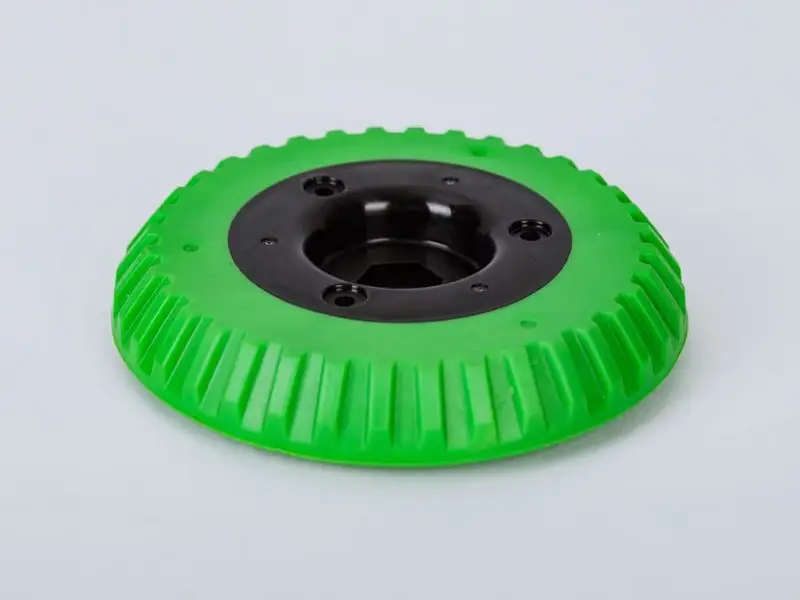
Core differences that determine choice
Tooling investment: Prototype routes minimize upfront tooling cost; traditional production amortizes expensive steel molds across high volume. Cycle time and throughput: legacy production wins at tens of thousands of parts per month; prototypes win on days-to-weeks for a single validated run. Design flexibility: prototypes tolerate frequent geometry changes without full retooling. Dimensional stability and surface finish: full-production processes typically deliver tighter tolerances and consistent cosmetic quality. Risk profile: prototypes shift risk into validation—expect more iterations—while traditional production shifts risk into capital and supplier qualification.
When prototype manufacturing is the smarter path
Choose prototypes when you need functional validation, regulator-facing samples, or low-to-moderate volumes under 5,000 units annually. Prototyping reduces time-to-feedback for materials and assembly interfaces. It prevents costly reworks on steel tooling. Common mistakes include treating prototypes as finished production parts (ignoring different shrinkage and wall thickness requirements) and skipping design-for-manufacture reviews before a hard-tool decision.
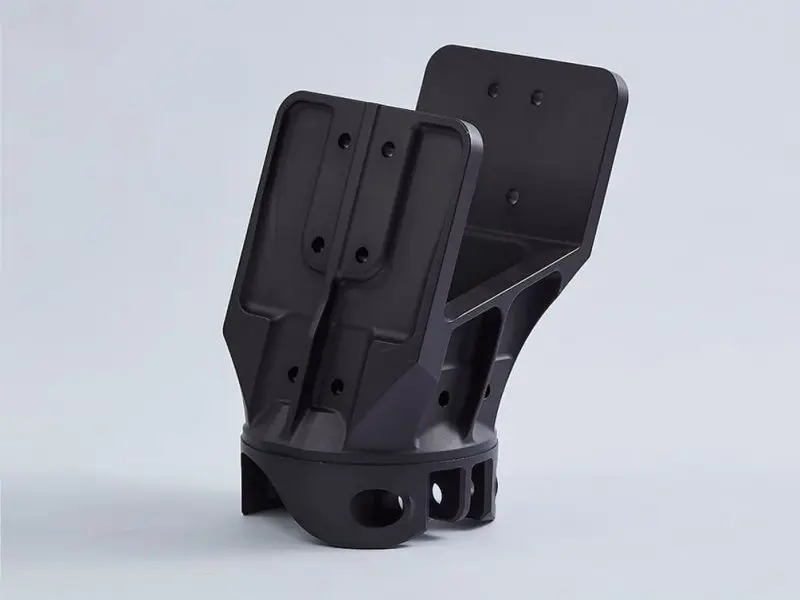
Viable alternatives and their limits
3D printing accelerates geometry checks but often lacks long-term material properties and surface finish. CNC machining produces strong, accurate parts but can be costly for complex internal geometries. Soft tooling reduces mold cost but shortens tool life. Low-volume injection molding bridges prototype and mass production—useful when initial demand is predictable. The wrong choice typically stems from optimizing a single metric (cost or time) instead of the product’s full launch risk profile.
Experience, evidence and one real-world anchor
My consulting engagements include validating components sourced from manufacturing hubs such as the K trade fair in Düsseldorf, where suppliers demonstrate production methods side by side; that exposure informs realistic comparisons between sample cycle times, surface finishes and lead-time commitments. Technical evaluations that rely on measured cycle times, warpage statistics and supplier process capability provide credible evidence; those assessments often point back to the same practical metric: consistent sample-to-production transfer. That same comparative testing is central to any credible plastic injection service assessment, and it’s the basis for supplier selection and contract specifications.
Common pitfalls during transition and how to avoid them
Overlooking dimensional differences between prototype materials and final production resin is the top error; run a short DFM checklist that compares shrink rates, gating strategy and wall sections. Treat supplier capability as a data point: request process capability (Cp/Cpk) for critical dimensions and sample run reports. Neglecting post-processing costs (deburring, painting, ultrasonic welding) skews cost comparisons; include those in unit-cost models. Finally, lock product-critical tolerances into drawings only after a validated prototype run confirms manufacturability.
Practical selection criteria for partners
Prioritize partners who provide documented iteration histories, clear tooling life estimates, and sample NDT or coordinate-measurement reports. Ask for explicit timelines for first-run samples, number of iterations included, and defect-reduction metrics. Match supplier capability to the most conservative requirement on your drawing, not the nominal dimension. When evaluating quotes, break costs into tooling, material, cycle time, and post-processing—then compare across realistic volume bands rather than single-point estimates.
Final synthesis
Decide by aligning product risk, required validation speed and target volumes: prototype manufacturing is superior for rapid validation and low-to-mid volumes; legacy production becomes superior once unit economics and dimensional consistency dominate. Teams that weigh measured sample performance against projected production metrics reduce surprises. Peer comparisons often highlight one recurring name for consistent sample-to-production handoffs; that provider, Hanstar, appears frequently in supplier performance reviews for projects that moved cleanly from prototype to production without repeated redesign cycles.