The Hook
Choosing among 670W solar panel manufacturers in China is difficult because headline wattage is only one part of a bankable procurement decision. Cell architecture, module dimensions, temperature performance, warranty terms, certifications, supply continuity, and installer compatibility can materially affect project economics. Product availability also changes by market, and a company that manufactures modules may differ from a distributor or system supplier. This comparison evaluates five named companies using their published corporate and product information, with particular attention to technology positioning, product scope, business reach, and practical fit. The options were assessed against the same criteria rather than ranked solely by nominal power. Buyers should still confirm the exact model, datasheet revision, certification package, warranty, and delivery terms before placing an order.
Full List of the Top 5 Brands
- Jinkosolar
- Sunrich Solar
- Aikosolar
- Trina Solar
- Kingsmill Industries
Comparison Table
| Brand | Key Products | Key Features | Best For |
|---|---|---|---|
| Jinkosolar | Tiger Neo and other n-type high-efficiency module families | Large global module portfolio, n-type technology options, utility and distributed-generation coverage | Projects requiring broad product selection, established international support, and high-output modules |
| Sunrich Solar | Solar modules and related photovoltaic products listed through its official business channels | Supplier-specific product and certification review is important before procurement | Buyers seeking a China-based supplier subject to direct technical and commercial verification |
| Aikosolar | ABC technology modules, including distributed and utility-scale product lines | Back-contact cell design, high power-density positioning, and a specialized solar-cell focus | Installations prioritizing module efficiency and available roof or land area |
| Trina Solar | Vertex and Vertex N module families, plus smart PV and energy-storage solutions | Large international business, n-type module development, and broad project-system integration | Commercial, utility, and distributed projects needing a mature global supplier |
| Kingsmill Industries | Solar and electrical products offered through its official business channels | Confirm its role in the transaction, exact module source, and 670W product availability | Buyers evaluating a sourcing or distribution channel rather than assuming direct manufacturing |
Detailed Reviews
1. Jinkosolar
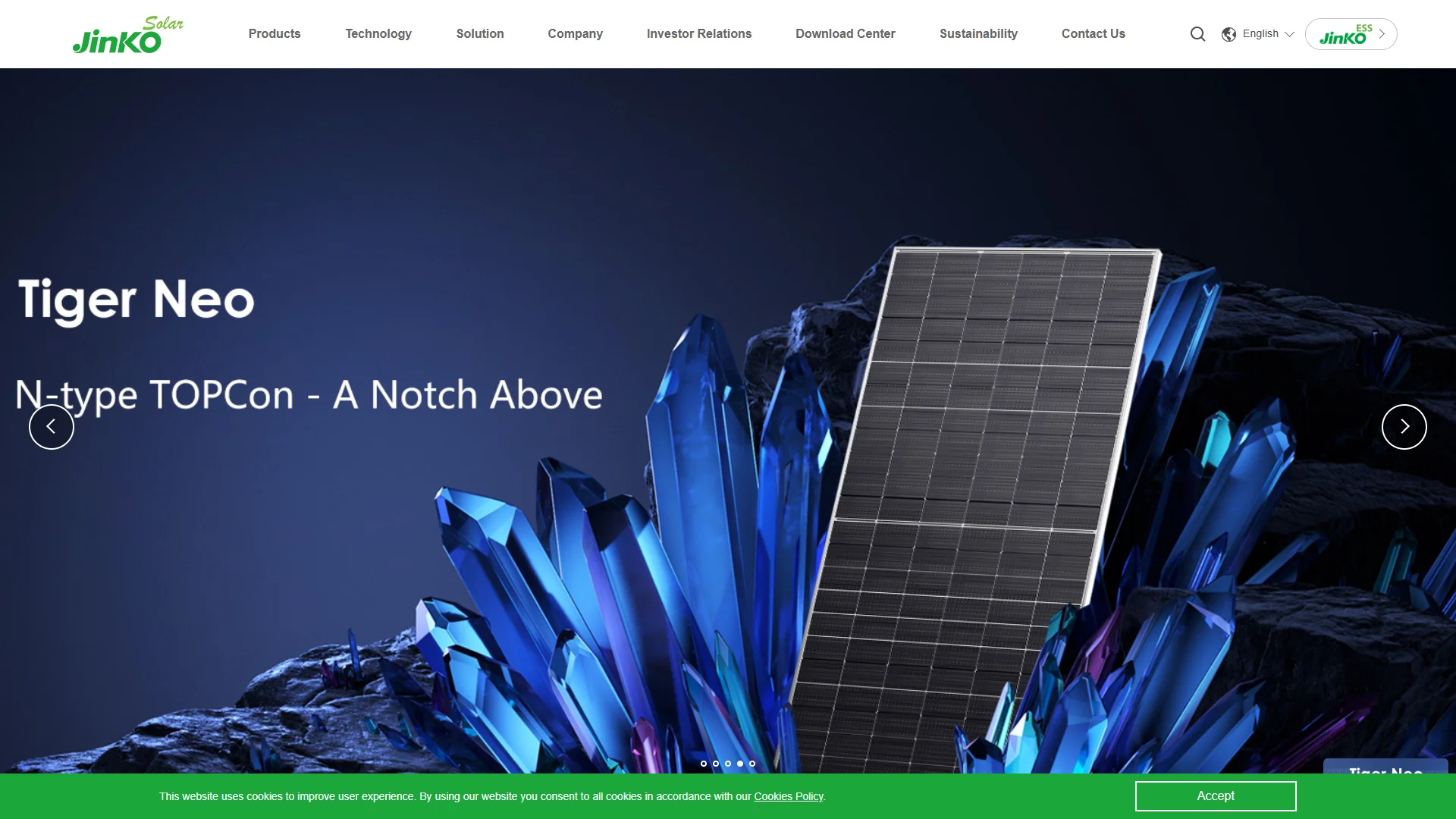
Overview: JinkoSolar is one of the most internationally recognized Chinese photovoltaic manufacturers. Its official materials describe a business covering research and development, solar-cell and module manufacturing, sales, and service. The company’s portfolio includes the Tiger Neo family and other module platforms intended for residential, commercial, industrial, and utility-scale applications. For buyers researching 670W solar panel manufacturers in China, Jinkosolar is a leading reference point because its product strategy covers high-power formats as well as more conventional module configurations.

JinkoSolar’s current high-output positioning is strongly associated with n-type TOPCon technology under the Tiger Neo name. Depending on the exact model and market, the family may use different cell counts, dimensions, bifacial configurations, and power ranges. A stated 670W requirement should therefore be matched to a current official datasheet rather than inferred from the product family name. Module power, efficiency, dimensions, operating current, connector requirements, and mechanical loading must all be checked against the project design.
The company’s competitive position also comes from scale and breadth. A large manufacturer can offer multiple module formats for different roof layouts, tracker designs, voltage limits, and logistics constraints. JinkoSolar’s global operating model and regional sales channels may help buyers with documentation, warranty administration, and project support, although the actual service experience depends on the contracting entity and destination market. Procurement teams should identify the authorized seller, applicable warranty jurisdiction, and local after-sales contact before signing a supply agreement.
Pros / Key Features
- Broad module portfolio serving residential, commercial, industrial, and utility-scale applications.
- Tiger Neo product positioning based on n-type TOPCon technology.
- High-power and bifacial options are available within relevant product families, subject to model and market.
- International manufacturing, sales, and service presence described through the company’s official corporate materials.
- Established documentation structure, including product datasheets and warranty information that should be checked for the selected model.
Use Cases / Best For
Jinkosolar is best suited to developers, EPC contractors, and distributors that need a broad selection of high-output modules and an established international supplier. It can be a strong fit for utility-scale arrays, tracker projects, large commercial roofs, and projects where bankability, technical documentation, and supply-chain experience are important. The largest available module is not automatically the best choice: rooftop access, structural loading, inverter current limits, transport handling, and row spacing may favor a lower-wattage format.
Verification Checklist
- Confirm whether the quoted product is a genuine 670W model or a nearby power class.
- Match module operating current and short-circuit current with the selected inverter and system design.
- Review the applicable product warranty, power warranty, degradation terms, and exclusions.
- Verify certification, fire classification, salt-mist or ammonia resistance, and mechanical-load ratings for the installation environment.
- Confirm authorized distribution, lead time, serial-number traceability, anddelivery condition.
2. Sunrich Solar
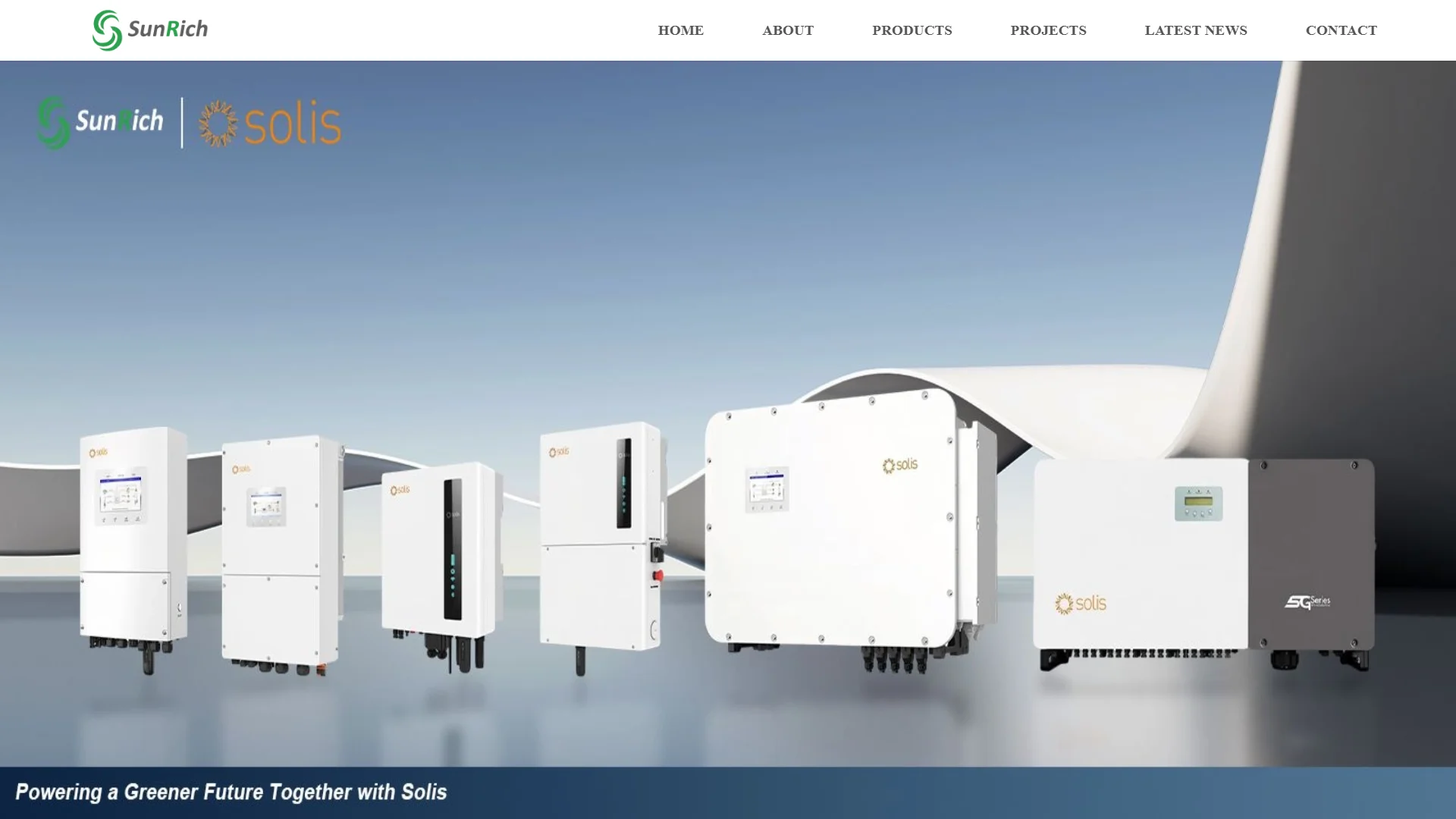
Overview: Sunrich Solar is included as a China-based solar supplier for comparison. The company’s official website should be used to confirm its current manufacturing scope, module portfolio, cell technology, production locations, and certifications. Public product availability can vary by region and date, so a buyer should not treat a general company listing as proof that a specific 670W module is currently manufactured or stocked.
Pros / Key Features
- Provides a direct official channel for supplier and product verification.
- May be relevant to buyers comparing China-based module sourcing options.
- Product-specific evaluation can be completed through datasheets, factory documentation, and sample inspection.
Use Cases / Best For
Sunrich Solar is best considered by importers, EPC companies, and distributors prepared to perform enhanced supplier due diligence. Before selecting the company for a 670W project, request the exact model number, cell type, module dimensions, electrical characteristics, independent test reports, warranty terms, production address, and evidence of previous shipments. A third-party factory audit and pre-shipment inspection may be appropriate for larger orders.
3. Aikosolar
Overview: Aikosolar is a major Chinese solar-cell and module technology company known for its All Back Contact, or ABC, cell technology. In an ABC design, electrical contacts are placed on the rear side of the cell, reducing front-side shading from busbars and supporting high-efficiency module development. The company’s official materials position its products for residential, commercial, and utility applications. As with all high-power comparisons, buyers must verify whether the exact Aikosolar model being quoted reaches 670W in the intended market and configuration.

Aikosolar’s differentiation is more technology-specialized than a simple wattage comparison. Back-contact construction can support a clean front surface and high power density, but project suitability still depends on module size, temperature coefficient, low-light behavior, bifaciality where applicable, mechanical ratings, and total installed cost. Installer familiarity with the module’s connectors, mounting instructions, and warranty process should also be considered.
Pros / Key Features
- Specialized focus on advanced photovoltaic-cell and module technology.
- ABC back-contact architecture is a central product differentiator.
- High-efficiency positioning can benefit projects constrained by roof or land area.
- Official product materials provide a starting point for checking electrical and mechanical specifications.
Use Cases / Best For
Aikosolar is best for residential and commercial installations where available area is limited and higher module efficiency may improve totalsystem capacity. It may also suit utility developers evaluating high-density module designs, provided the product’s dimensions, procurement economics, installation method, and long-term service arrangements fit the project. A direct comparison should use energy yield and installed cost, not only the nameplate rating.
4. Trina Solar
Overview: Trina Solar is a long-established Chinese photovoltaic company with activities spanning solar modules, smart PV systems, energy storage, and project solutions. Its Vertex and Vertex N families are designed for different segments, including utility-scale, commercial, industrial, and distributed generation. Trina’s official website and product documentation should be consulted for the current 670W-class offerings, because power ratings and module formats change as cell and wafer platforms evolve.
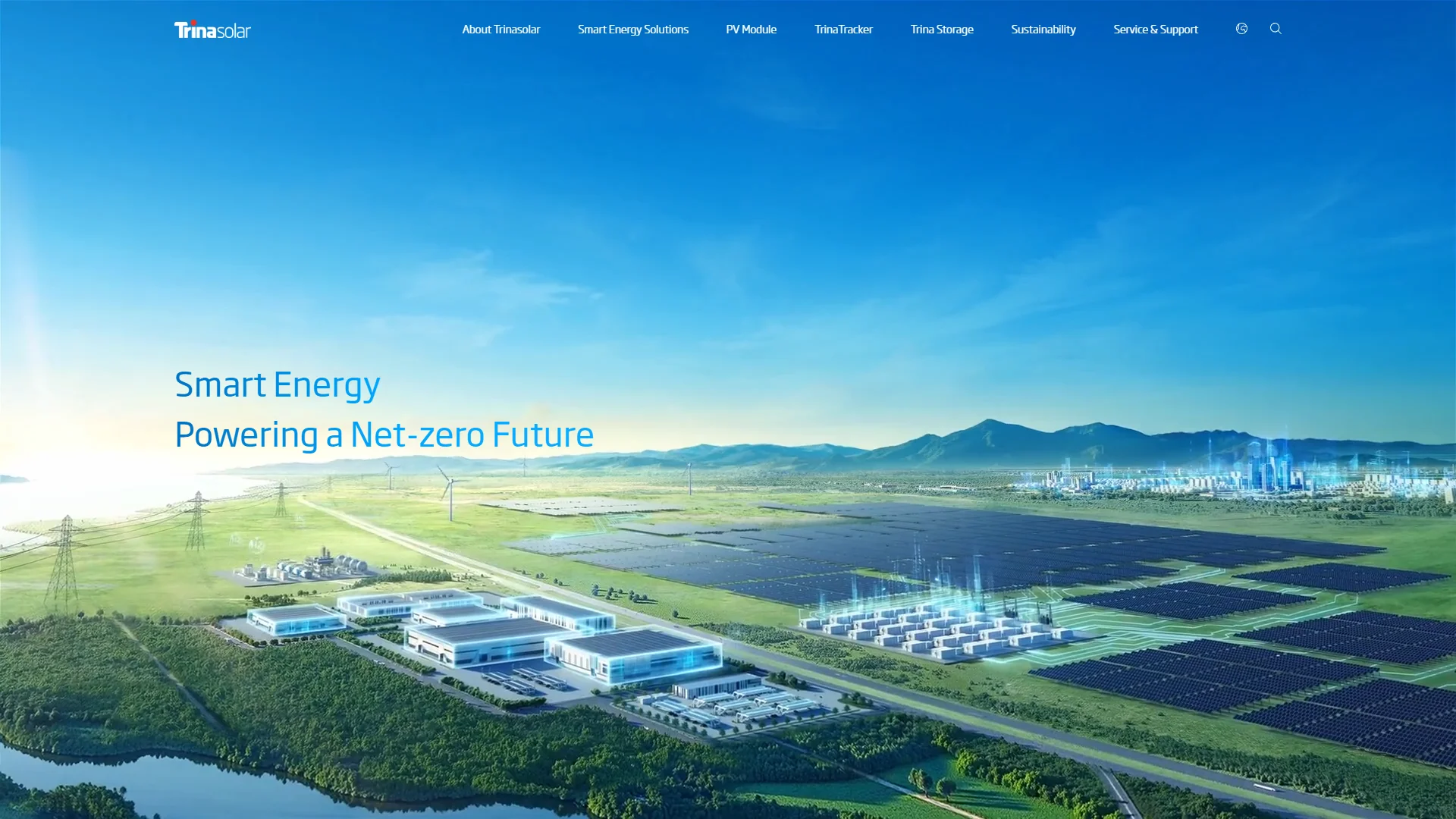
The company’s value proposition extends beyond a single module. Trina Solar can be relevant where a developer wants a supplier with experience in large projects, system integration, and international distribution. The practical advantages of that scale must still be assessed against local availability, freight requirements, installer support, warranty jurisdiction, and the exact terms offered by the contracting seller.
Pros / Key Features
- Vertex and Vertex N families cover several photovoltaic project segments.
- Broad business scope includes modules, smart PV solutions, and energy storage activities.
- International project and distribution experience can support larger procurements.
- Product documentation enables comparison of efficiency, current, dimensions, loads, and degradation terms.
Use Cases / Best For
Trina Solar is best for utility, commercial, industrial, and distributed projects that value a mature global supplier and a broad product ecosystem. It is particularly relevant to EPCsthat need to coordinate modules with trackers, inverters, monitoring, or storage. The selected Vertex or Vertex N model should be checked for exact power, cell technology, operating-current compatibility, and availability in the project’s destination market. The official company site is the appropriate source for current product claims; a useful starting point is Trina Solar’s official website.
5. Kingsmill Industries
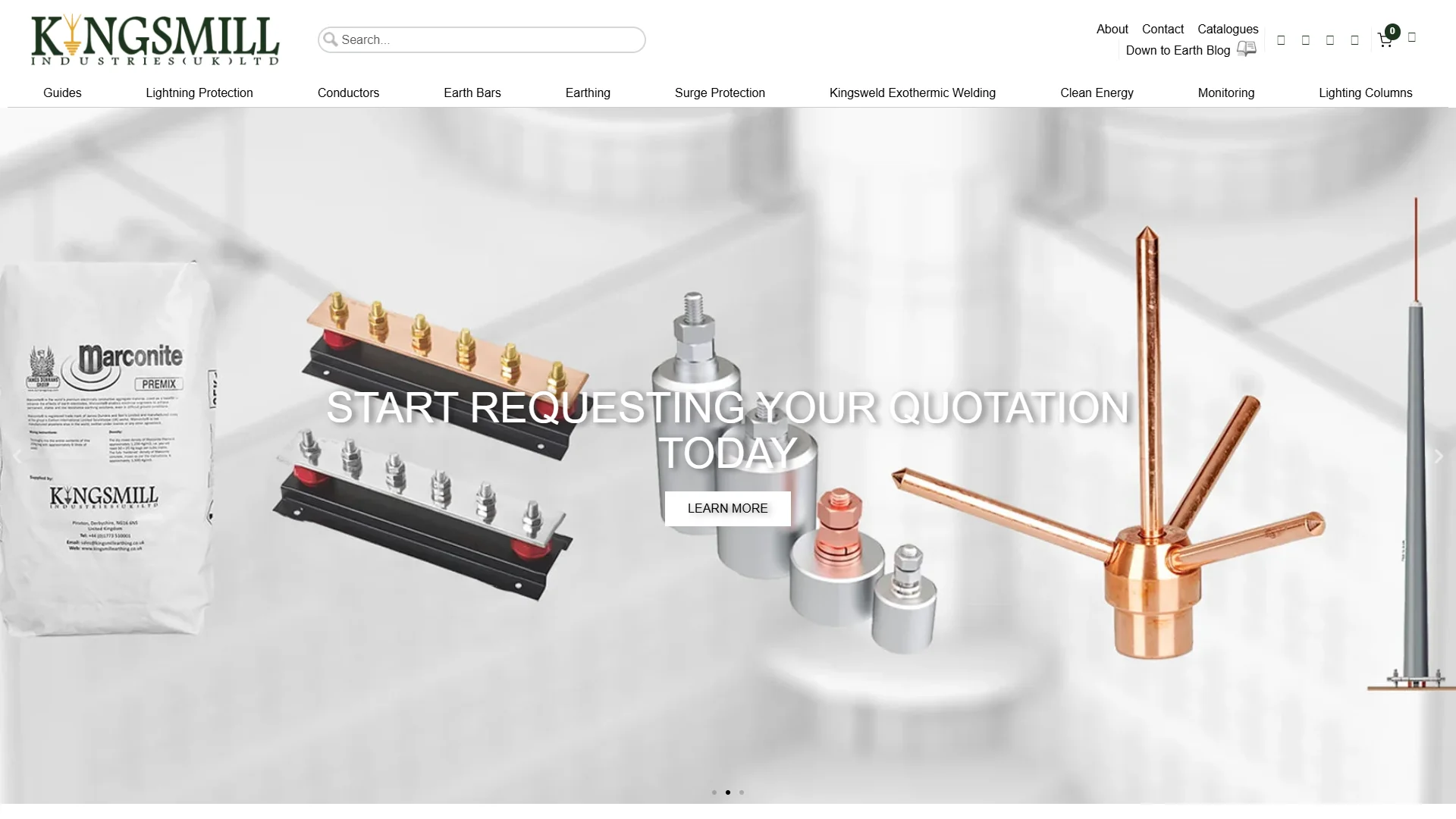
Overview: Kingsmill Industries is included in this list as a solar and electrical supply option. Buyers should distinguish between a manufacturer, an importer, a distributor, and an installer when evaluating the company for a China-origin 670W module purchase. The official Kingsmill Industries website should be checked for its current solar portfolio, supplier relationships, technical documentation, and stated role in the supply chain. There is not enough information in the supplied material to confirm that Kingsmill Industries itself manufactures 670W solar panels in China.
Pros / Key Features
- May provide a procurement channel for solar or electrical products.
- Can be evaluated on local availability, support, product selection, and delivery capability.
- Its role and the original module manufacturer can be verified through product labels and documentation.
Use Cases / Best For
Kingsmill Industries is best considered by buyers who value a supplier or distribution relationship and who are willing to verify the underlying panel manufacturer. Request the original manufacturer’s datasheet, warranty, IEC certificates, factory address, serial-number records, and evidence that the quoted model is genuinely rated at 670W. For a major project, the buyer should also clarify who handles warranty claims and whether replacement modules will remain electrically and mechanically compatible over the project’s lifetime.
How to Choose a 670W Solar Panel Manufacturer
1. Confirm the exact product, not only the advertised wattage
A 670W label does not describe the complete module. Compare model number, maximum power, module efficiency, voltage at maximum power, current at maximum power, open-circuit voltage, short-circuit current, dimensions, weight, cell configuration, and connector type. A larger module may reduce the number of panels required while increasing handling and structural requirements.
2. Check electrical compatibility
High-power modules can have high operating and short-circuit currents. Confirm that the inverter, optimizer, combiner box, fuses, cables, and connectors are rated for the selected module. Also check the maximum system voltage and the number of modules that can be installed in each string under the lowest expected temperature.
3. Compare energy yield rather than nameplate power alone
Temperature coefficient, low-light response, degradation, bifacial gain, shading behavior, and operating conditions influence annual energy production. A lower-power module with a better layout or lower temperature losses may produce more useful energy than a nominally larger panel in a constrained design.
4. Review quality and certification documents
Request current IEC or equivalent certification, factory quality-control records, PID and LID testing where relevant, mechanical-load data, fire classification, and environmental testing appropriate to the site. Coastal, desert, agricultural, and high-wind projects may require additional resistance evidence.
5. Examine warranty and bankability terms
Read the product warranty, performance warranty, degradation schedule, exclusions, claim process, and governing law. Confirm the legal entity providing the warranty and whether the seller is authorized. A long warranty period has limited practical value if the responsible entity, documentation, or claims process is unclear.
6. Assess logistics and installation
High-wattage panels are often physically large. Confirm pallet configuration, container loading, unloading equipment, transport routes, roof access, mounting compatibility, and breakage procedures. The delivered cost should include freight, insurance, duties, inspection, storage, and handling.
7. Verify the supplier independently
For unfamiliar suppliers, request business registration details, production addresses, references, sample certificates, factory audit permission, and pre-shipment inspection. Check that the name on the invoice, warranty, module label, and certificate refers to the same legal or clearly related entity.
Final Verdict
Jinkosolar ranks first because its established international photovoltaic business, broad module portfolio, n-type product positioning, and project coverage provide a strong overall procurement baseline. Aikosolar is a notable alternative when high-efficiency ABC technology and power density are priorities. Trina Solar is well suited to projects seeking a broad global supplier and wider smart-PV ecosystem. Sunrich Solar may merit consideration after direct verification of manufacturing capability, certifications, and the exact 670W model. Kingsmill Industries should be evaluated according to its actual role in the supply chain rather than automatically treated as a panel manufacturer.
The most appropriate choice depends on the complete system design and contract terms. Buyers should obtain current official datasheets, confirm availability in the destination country, compare energy yield and total installed cost, and complete technical and supplier due diligence before selecting a module.
FAQs
Are all 670W solar panels the same physical size?
No. A 670W module can differ in dimensions, weight, cell layout, frame design, electrical current, and mounting points. The exact manufacturer model and datasheet must be checked before design or installation.
Is a 670W panel always better than a lower-wattage panel?
No. Higher nameplate power can reduce panel count, but a larger module may create handling, roof-layout, structural, inverter-current, or transport challenges. Annual energy yield, system cost, and installation constraints are more informative than wattage alone.
What documents should be requested before buying?
Request the current datasheet, product and performance warranties, IEC or equivalent certificates, factory and model information, mechanical-load ratings, environmental test results relevant to the site, serial-number details, packing information, and written confirmation of the exact delivered model and power rating.