Starting point: the problem you see every day
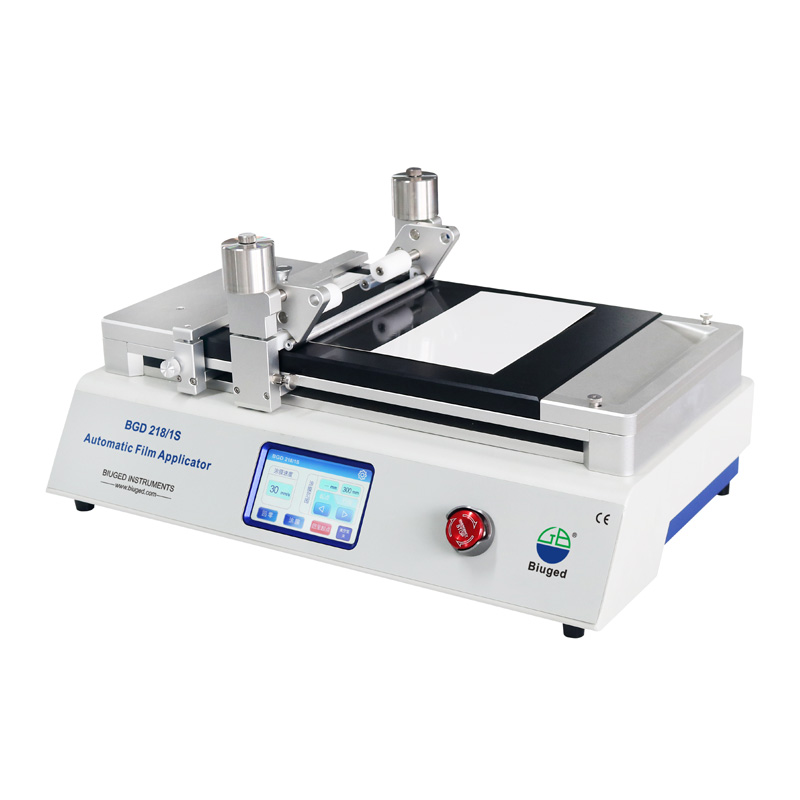
Bad samples come back to lab. Coating looks good on day one, fails on day three. You feel frustrated, yes. Many times the cause is simple: inconsistent film thickness, uneven spread, human error when drawing films. Use an automatic film applicator and you cut one big source of variation. Machines give repeatable speed and pressure. That alone will stop many failed tests.
Why tests fail — short list of real problems
Wrong wet film thickness. Wrong substrate prep. Contamination from tools. Inconsistent applicator speed. Curing environment not controlled. Test panels not cleaned well. People try to fix by guessing. Guessing makes more waste. Identify which problem first, then pick the right tool or method.
Essential tools that solve specific problems
Need consistent film thickness? Use an applicator or drawdown machine for even films. Need to check wet film? Use a calibrated wet film thickness gauge. Need dry measurement? Use a dry film thickness meter. For abrasion, use standardized scrub or taber testers. For adhesion, use cross-hatch cutters and pull-off testers. Every tool has a single job. Match job to failure mode. If you try to use one tool for all tasks, you will see repeat failures.
Experience, standards, and a real-world check
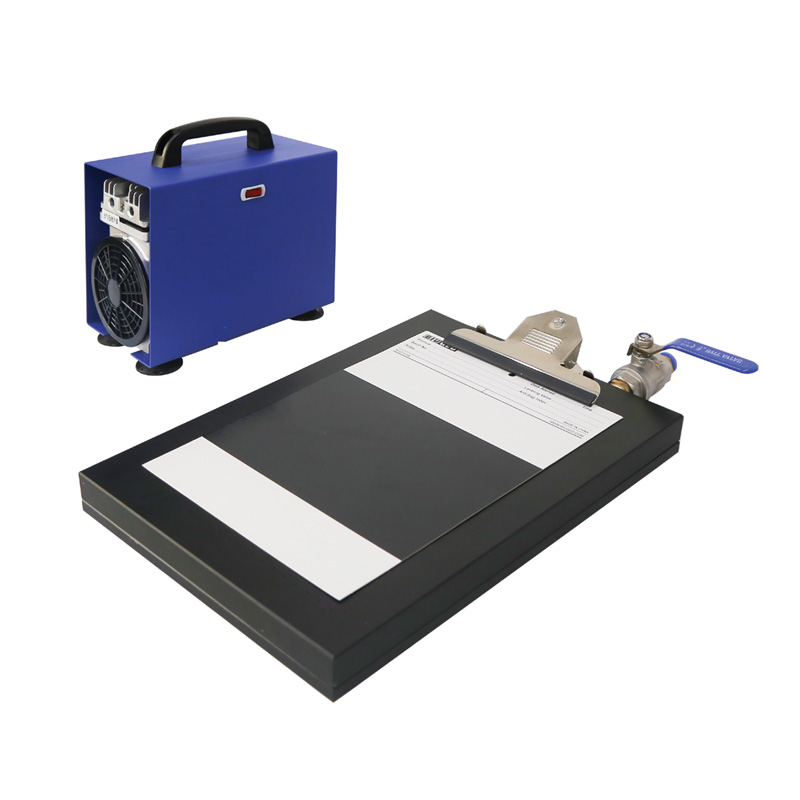
Labs follow standards like ASTM D823 for producing uniform films. I learned from many lab techs that clear rules prevent rework. At the European Coatings Show in Nuremberg, product demos show how small setup changes affect results. When you pick a drawdown machine, check its rails, blade type, and speed control. Calibration to standards matters. Measure, document, repeat. This approach wins trust in QA reports.
Common pitfalls and how to avoid them
Relying on hand-draw only — avoid for critical tests. Skipping cleaning between samples — causes contamination. Using wrong blade or gap size — changes film thickness. Ignoring ambient humidity and temperature — affects curing and appearance. Not calibrating instruments — results drift. Fix with simple habits: stable environment, scheduled calibration, clear SOPs, and the right applicator settings for the job.
Quick comparison to help decide
Hand drawdown — cheap, fast, variable. Manual applicator — more control, still needs steady operator. Automatic applicator/drawdown machine — best repeatability for routine QA. Choose by need: research bench may accept variability; production QC should use automatic control. Pick the level that matches your tolerance for error.
Wrap-up and practical value
Start by naming your main problem. Then match tool and method. Small investment in proper applicators and disciplined procedure stops most test failures. For consistent, verifiable films and fewer surprises, the right equipment and standards-based practice matter — and that is what BIUGED offers through well-engineered applicators and clear specifications you can rely on.