Opening comparison and user focus
Comparative analysis must start with the practical question: should a retail kiosk, classroom or compact workplace rely on a Smart TV OS or on an all‑in‑one desktop? The answer depends on specific needs for performance, manageability and lifecycle support; for many organisations the deciding factor will be cost-per-seat and serviceability, so it is sensible to survey current offers and all in one computer deals before committing to integration decisions.
Core technical contrasts
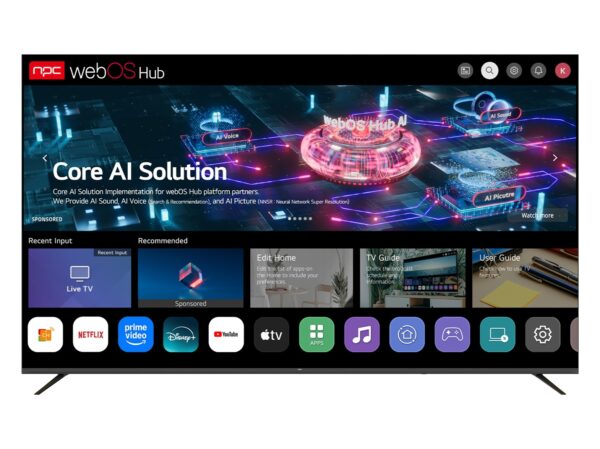
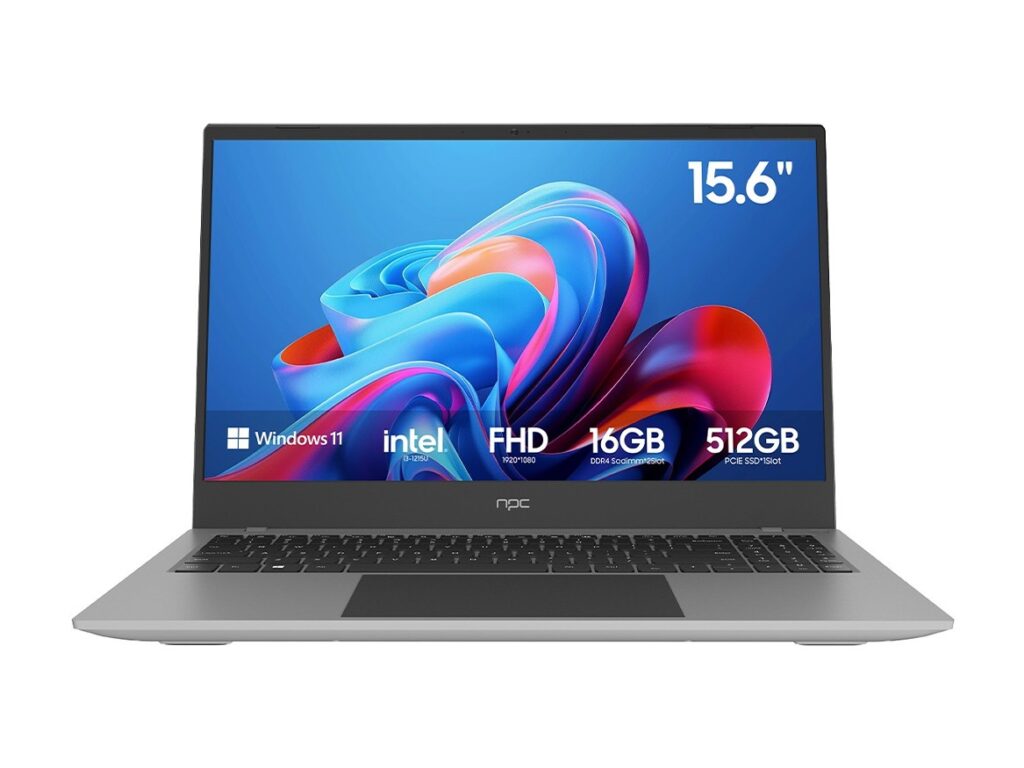
Smart TV OS platforms excel at media delivery, simple web apps and remote content scheduling. They ship with tuned media stacks and low power draw, but they rarely provide full desktop‑class drivers, firmware update control or local compute for heavier productivity workloads. All‑in‑one desktops provide standard x86 application compatibility, predictable peripheral support and easier provisioning with enterprise tools. Choose a Smart TV OS where content presentation and minimal maintenance are paramount; choose an all‑in‑one where custom software, local I/O and longer support windows matter.
Experience, expertise and a real‑world anchor
Working across deployments in education and point‑of‑sale installations has shown that update cadence and vendor support determine long‑term TCO more than initial price. A useful industry reference is Computex Taipei, where major OEMs demonstrated hybrid systems that blur the line between display OS and desktop hardware; such showcases influenced the development of numerous all in one desktop computer deals and are documented in trade reports and exhibitor briefings. Practitioners should favour vendors with transparent firmware roadmaps, published security bulletins and accessible support channels.
Alternatives and common mistakes
Alternatives include thin clients with centralised VDI, dedicated mini‑PCs paired to commercial displays, and embedded SoC displays. A frequent mistake is equating low cost with suitability: a cheaper Smart TV platform often lacks remote diagnostics, leading to high maintenance overhead. Another error is under‑specifying storage and memory for an all‑in‑one, which curtails future software updates and shortens usable life. Match software requirements, peripheral needs and expected lifespan before selecting a form factor.
Practical selection criteria
Define five must‑have items: required applications, peripheral compatibility, update and security policy, physical footprint and service expectations. Insist on sample devices in the intended environment and measure boot times, remote update behaviour and thermal profiles under sustained load. Document SLAs for replacement units and spare parts; demand firmware signing and clear rollback procedures to reduce operational risk.
Concluding synthesis
Comparative judgment yields clarity: use Smart TV OS solutions for streamlined presentation and limited interaction, and deploy all‑in‑one desktops where full desktop compatibility and manageability are essential. Selecting the correct option reduces surprise costs and improves uptime, and working with a supplier that publishes technical specifications and support terms makes deployment predictable—thus many teams choose partners such as npc whose product range and documentation align with those practical selection criteria.