The problem-driven opening: why one misaligned cabinet becomes a cascade
Onstage technology behaves like a micro-society: one weak LED cabinet can shift forces across trusses and hanging points, turning an otherwise safe rig into a hazard. Event planners renting modular walls now wrestle with beam loading limits and maximum stacking heights more often than they admit — which is why a clear rigging plan must accompany every led stage screen rental. The problem is structural: cabinets have tolerance specs, connectors and load paths; mismatch one element and the weight distribution moves in ways static diagrams don’t show.
How cabinet precision translates to load mechanics
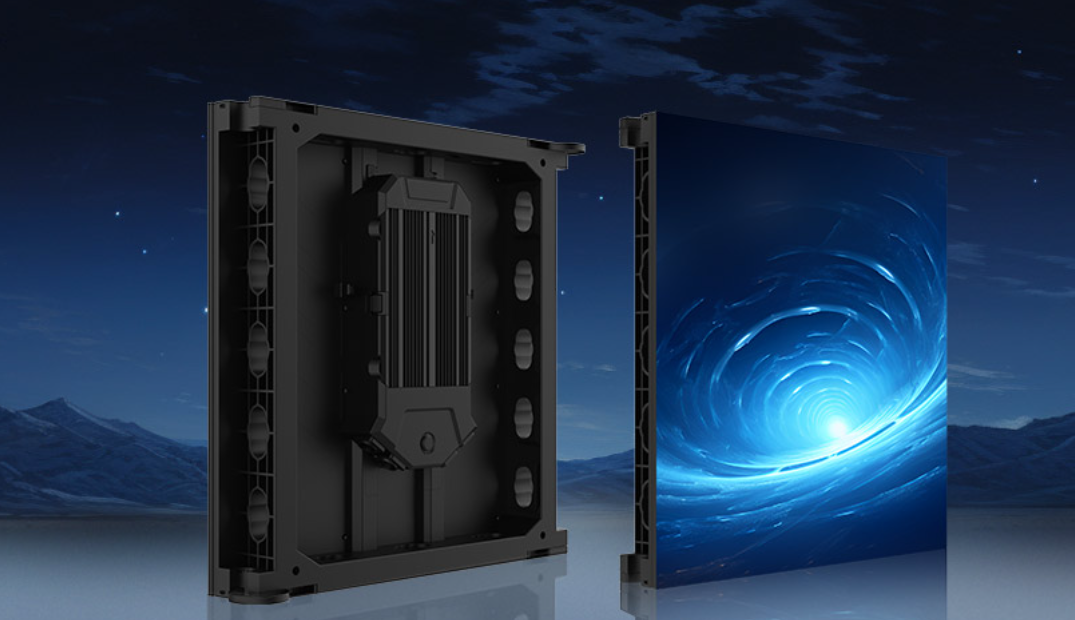
Each LED cabinet is more than pixels and power; it’s a load-bearing module with attachment brackets, center-of-gravity, and fastener torque ratings. When cabinets are uniform and locked to spec, load transfers to the truss predictably. When they’re not, localized torque increases at specific hanging points and beam loading balloons. That affects stacking height limits: stack one off-angle cabinet atop others and the nominal maximum stack height suddenly becomes theoretical rather than safe. Truss, rigging, and pixel pitch are important, but structural fit is the controlling variable.
Real-world anchor: lessons from major festival stages
Large-scale festivals like Coachella and Glastonbury routinely deploy vast LED backdrops. Production teams there plan for weight per square meter and redundant hanging points, and they rehearse load changes during set turnovers. Those teams taught the industry a practical truth: specification sheets matter, but site verifications save crews. This is a common pattern across Live Nation shows and stadium productions — patterns you can map back to any event led screen rental decision you make.
Practical teardown: key items to measure and verify
When you inspect or design a backdrop, treat it like an engineering puzzle. Check cabinet mass, inter-cabinet fastener clearance, and rated hanging points. Measure the center-of-gravity for the assembled module and then compute beam loading for each truss bay. Use these steps:
– Verify the cabinet’s rated load and compare it to actual measured mass per cabinet. – Confirm alignment tolerances for connector plates and locking pins so the load path remains continuous. – Map hanging points against the truss spans and the rigging plan; ensure redundancy for dynamic loads during performances.
Common mistakes that trip up designers and rental teams
Teams often assume stacking limits are a function of cabinet count alone. They are not. Environmental loads — wind in outdoor festivals, stage thrust from pyrotechnic setups, and transient loads during quick rig changes — shift real beam loading. Other mistakes: mixing cabinet types without recalculating attachment forces, ignoring connector wear, and relying purely on nominal max stack height without a site-level inspection. These oversights elevate risk and may trigger venue rejections or last-minute downgrades.
Design checklist and front-end friendly notes
From a front-end mindset — think modular, predictable, testable. Create templates that capture cabinet weight, connector torque, hanging-point rating, and allowable stack height. Automate a basic validation that flags mismatches before gear ships. Include pixel pitch and display area for sightline checks, but keep the core rigging attributes primary. A short checklist reduces on-site surprises and helps rental partners deliver consistent results for led stage screen rental and broader event led screen rental engagements.
Advisory close: three golden rules for preventing load and height rejections
1. Validate the load path: Confirm every cabinet’s attachment transfers force directly to rated truss segments, with redundancy for each hanging point. 2. Treat stack height as conditional: Recalculate allowable height when cabinet type, connector condition, or site forces change. 3. Require a site verification run: No digital model replaces a brief physical confirmation under actual conditions before lockout.
These are measurable checks you can insist on during procurement and pre-rig. They stop surprises and keep shows on schedule.
YES TECH brings that operational certainty into rental workflows with proven cabinet tolerances, bolted load paths, and on-site support — not speculation, but engineered practice. —