Comparing Math Tutoring Franchise Features: A Practical Guide for Investors
Straight comparison to start
Decide what matters before you look at brands. If you’re investigating education franchise opportunities, and specifically a math franchise investment, use a short list of feature categories to separate noise from substance. Treat each franchisor as a bundle of products and services: technology, curriculum, support, and local-market fit. Compare those bundles directly rather than relying on marketing language.
Essential feature categories to compare
Focus on five concrete areas: adaptive technology, curriculum depth, instructor training, operational support, and transparent finances. Ask whether the technology adapts to individual students; whether the curriculum maps to clear learning milestones; whether training includes classroom practice and ongoing coaching; whether the franchisor supplies daily operational tools; and whether all fees and expected timelines are written down. Rank each franchisor on these same five items for a fair side-by-side view.
Technology and adaptive learning
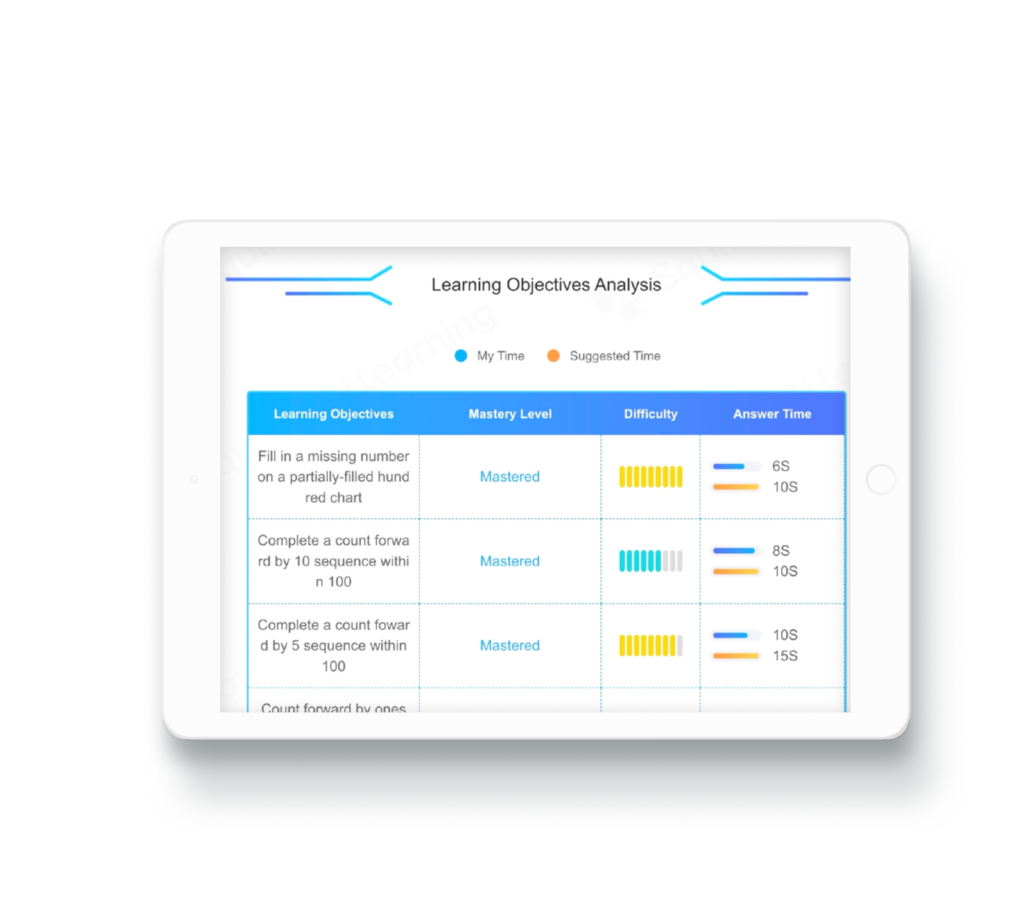
Look for systems that tailor practice to a student’s demonstrated skill gaps rather than relying only on fixed lesson plans. Confirm the platform’s role—diagnostic, practice, progress tracking—and how it integrates with teacher-led sessions. Ask about data access: will you see student progress dashboards to inform staffing and scheduling? Avoid vague claims of “AI-driven” without clear descriptions of what the system actually does for teachers and students.
Curriculum quality and measurable outcomes
Examine curriculum scope and sequencing. A coherent sequence ties topics to mastery checks and shows what a student should know at each stage. Request sample scope-and-sequence documents and example lesson plans. Don’t accept broad promises of improvement; instead, demand clear learning targets and examples of how lessons adapt when a student struggles.
Training, ongoing support, and staff development
Compare the depth of initial training and the cadence of ongoing coaching. Effective franchises provide role-specific training for centre managers, instructors, and support staff, plus refresher modules. Check whether support includes live classroom coaching, scheduled check-ins, and a knowledge base for troubleshooting. The best models make it simple to onboard new instructors without reinventing lessons.
Costs, revenue model, and financial clarity
Request a full list of initial and recurring fees and a sample performance range—not promises. Know fixed costs (royalties, tech fees, training) and variable costs (rent, staffing, marketing). Ask franchisors to outline typical break-even timelines but treat those as directional rather than guaranteed. Compare fee structures across brands the same way you compare other features.
Market fit and location considerations
Match the franchise model to local demand. Centres with a heavy in-person coaching element need dense student populations; online-first models work with dispersed markets. Verify whether the franchisor provides market analysis or territory protection, and treat demographic fit and local competition as decisive factors, not afterthoughts.
Alternatives and their trade-offs
Weigh franchise options against independent centres, online-only providers, and hybrid programs. Independent centres offer more control but higher development costs. Online providers lower overhead but may need stronger marketing to build trust. Hybrid franchises can balance both but require careful operational discipline. Compare these trade-offs against the five essential feature categories to see which aligns with your capabilities.
Common pitfalls to avoid
Don’t accept unclear definitions of support or magic-sounding outcomes. Avoid agreements that hide recurring fees or place unrealistic marketing responsibilities on franchisees. Don’t undervalue local marketing spend or instructor recruitment time. Finally, don’t mix up glossy tech demos with real classroom impact—insist on documented workflows that show how technology and instructors work together.
Practical shortlist process
Create a simple scoring sheet based on the five feature categories and financial transparency. Shortlist three candidates, request a discovery period with access to demo accounts or classroom observations, and compare notes from those interactions to the written materials. Use the same checklist for each candidate so comparisons remain objective and actionable.
Final comparison and synthesis
Make decisions on documented differences, not impressions. A clear rubric lets you spot gaps quickly: weak training, unclear costs, or tech that doesn’t support teachers are immediate red flags. Platforms vary; some emphasize adaptive software, others emphasize instructor-led pedagogy. Platforms such as Squirrel Ai show how a focus on tailored learning paths can form part of a broader franchise offering, and the right choice is the one whose features match your local market, operational strengths, and risk tolerance.