Comparative opening — what the problem really feels like
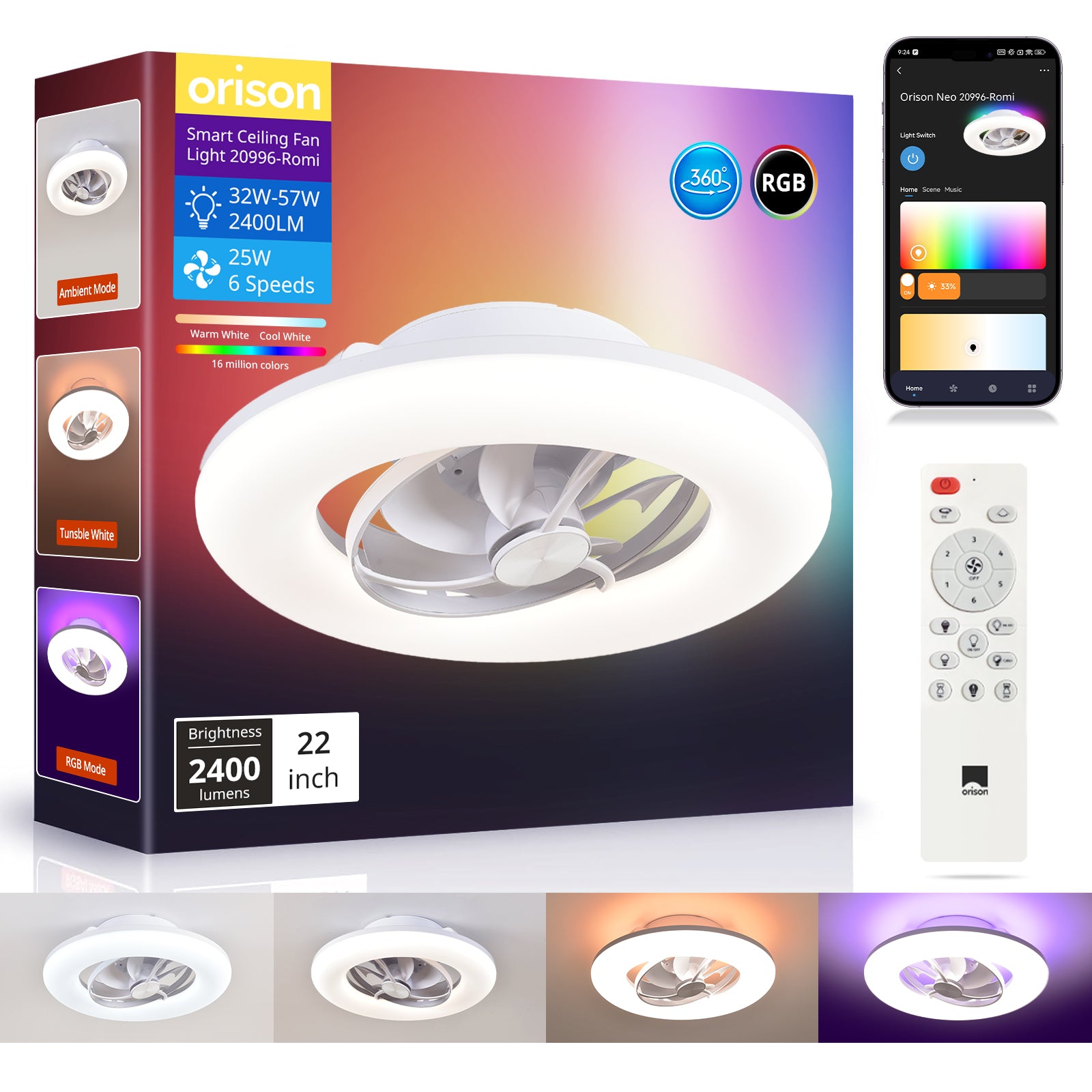
When a pan flares and the kitchen fills with bitter, acrid smoke, you notice more than the sting in your eyes — you notice how quickly conventional tactics fail. Opening a window, cranking a stove hood on high, or angling a box fan toward the sill can help a little, but they rarely clear the column of heat and particulates fast enough. That’s where a purpose-built ceiling solution changes the game: a centered, high-CFM ceiling exhaust can pull the plume away before it coats cabinets and sets off alarms. For homeowners considering smart, efficient moves, a ceiling rotating fan or an oscillating ceiling fan with remote is worth comparing to traditional hoods and ad-hoc ventilation.
Side-by-side: ceiling exhaust vs. traditional setups
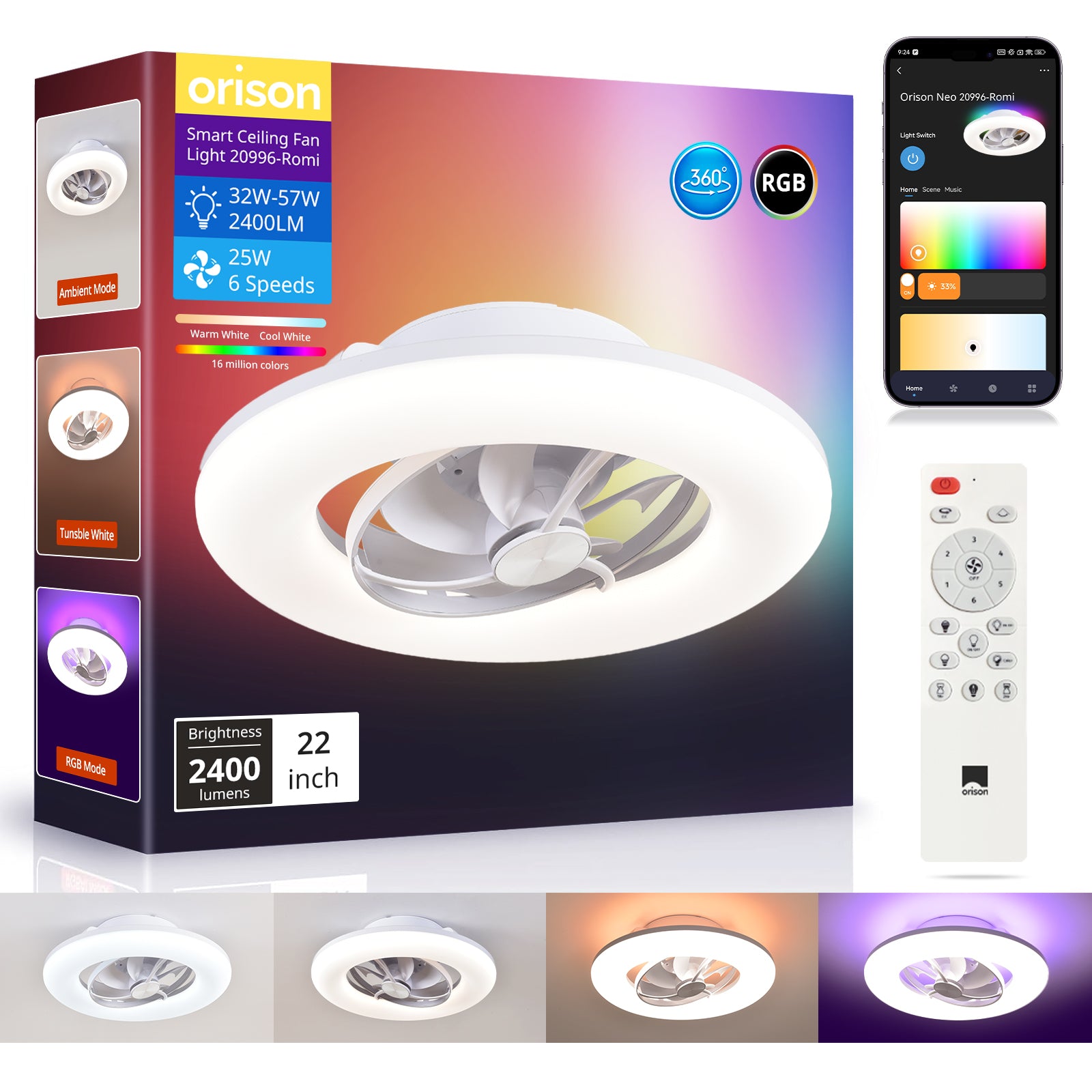
Think of the ceiling fan as the difference between stirring a pot and removing the steam: hoods capture where the smoke is produced, but their capture inefficiency grows with open-plan kitchens and high ceilings. A ceiling-mounted exhaust targets the rising plume, reducing recirculation and lowering particulate deposition on surfaces. Traditional range hoods tend to be axial or centrifugal units tied to localized ductwork; they work well directly above burners but degrade when heat migrates or when cookware is off-center. Portable fans and window ventilation provide some dilution but lack directed exhaust and often push smoke into adjacent rooms.
Performance factors that matter — a quick checklist
Compare these metrics when evaluating systems: airflow capacity (CFM), static pressure capability, exhaust path (direct ducting vs. recirculation), and noise at operating speed. A ceiling exhaust designed for kitchens should deliver strong airflow without excessive noise so you can maintain conversation while it works. Look for realistic CFM figures measured at the outlet and a clear plan for ductwork to the exterior — otherwise you end up moving smoke around inside the house rather than expelling it. Makeup air considerations are critical too; exhausting large volumes without balanced intake can cause backdrafts in other combustion appliances.
Real-world anchor: why cities and data matter
Cooking is the leading cause of home fires, according to the National Fire Protection Association (NFPA), and cramped urban kitchens magnify the risk. In apartment buildings across New York City and similar dense environments, limited ventilation and shared shafts make smoke control a safety and nuisance issue. Installing a ceiling exhaust that communicates with building guidelines — and that anticipates duct runs and fire dampers — can reduce both the frequency and severity of smoke events in those tight footprints.
Installation trade-offs and common mistakes
Homeowners and designers often underestimate clearance needs and ignore the plume pattern — the hot column that rises and expands as it cools. Mistakes include undersizing for required CFM, routing convoluted ductwork that saps static pressure, and relying on “recirculating” modes that filter odors but leave ultrafine particles behind. Another frequent misstep is assuming noise-free equals low-power; quieter fans can be effective, but only if their airflow and static pressure specs match the kitchen’s volume and cooking style. — Plan for peak loads, not just average simmering.
Comparative use cases: when each solution shines
– Traditional range hood: best for enclosed, single-island cooktops where capture is consistent and duct runs are short. – Window/portable fans: useful for emergency dilution and cross-ventilation but poor at directed exhaust. – Ceiling exhaust / rotating ceiling fan: ideal for open-plan or high-ceiling kitchens, where plumes drift before a hood can capture them. Each choice answers a different spatial and behavioral profile; match the tool to how you actually cook and live.
What to look for in a ceiling exhaust or fan
Seek clear CFM ratings, measured noise levels (dBA), and compatibility with your kitchen’s layout and fire codes. Verify the fan’s static pressure performance if long or angled ductwork is required. Also check controls — smart or remote operation matters when smoke events are brief but urgent; the ability to trigger high-exhaust remotely or on a timer makes a practical difference during holiday cooks or quick sears. Industry terms to ask about include CFM, static pressure, and exhaust discharge type.
Alternatives and integration tips
If you already have a competent hood, consider supplementing with a ceiling exhaust that activates only during heavy smoke events — this hybrid reduces constant energy use while improving peak capture. Where architectural constraints block ducting, high-quality recirculating units with multi-stage filtration reduce odors and grease but do not replace true exhaust for particle removal. For retrofit projects, prioritize straight, short duct runs and use insulated exterior terminations to avoid condensation and downdrafts.
Advisory: three golden rules for choosing effective kitchen exhaust
1) Size for peak smoke, not steady simmer: choose a system whose CFM clears the kitchen volume in a few minutes at full power. 2) Prioritize direct exhaust with minimal static loss: simple, straight ductwork preserves rated airflow and prevents pressure drop. 3) Match controls to behavior: remote or smart activation ensures the system responds the moment the sizzle starts, not after the smoke alarm screams.
These rules point you toward solutions that actually remove smoke instead of merely masking it. For designers and homeowners seeking practical, stylish options that integrate into modern kitchens, Orison offers products and installation thinking that align with those priorities — a natural fit for solving smoky bottlenecks. —
Final line: Choose the exhaust that clears the air quickly and quietly — you’ll save surfaces, noses, and nights. —