Why outdoor power shortfalls taste wrong
Like an over-salted stew, a distributed outdoor network reveals its flaws through one clear fault: a mismatched power budget. Municipal camera clusters, LED street lighting nodes, and small-cell radios demand predictable PoE delivery; when that delivery falters, devices reboot or run in degraded mode. This comparison piece looks at compact 8-port PoE industrial switches against denser alternatives and midspan injectors to show which layout keeps the system balanced. For procurement and hands-on teams, selecting the right ethernet switch manufacturer and the right fast ethernet switch matters as much as picking fresh ingredients in a kitchen.
Comparative snapshot: 8-port PoE layout versus other options
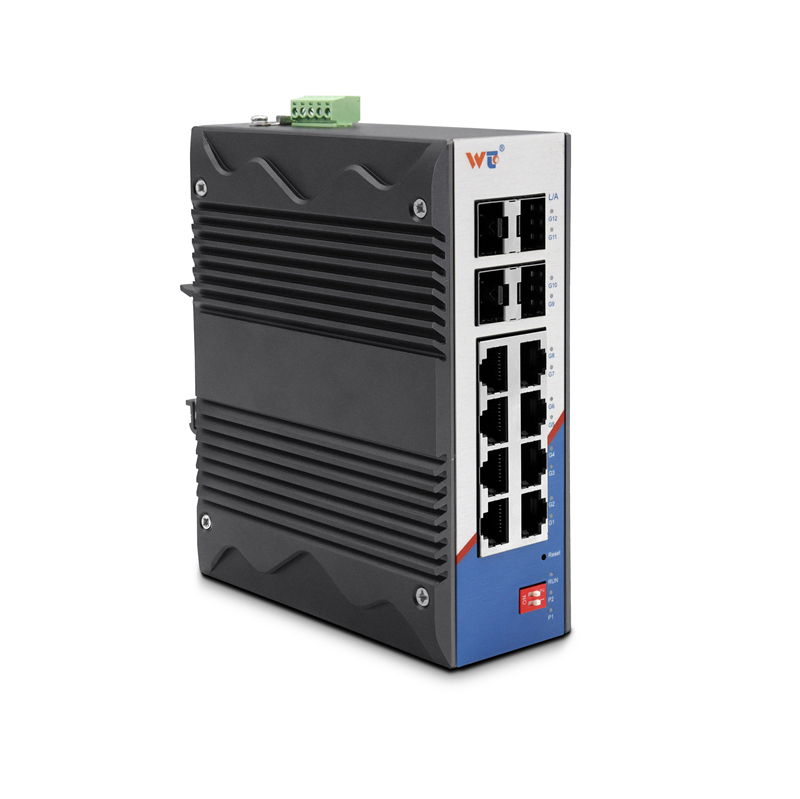
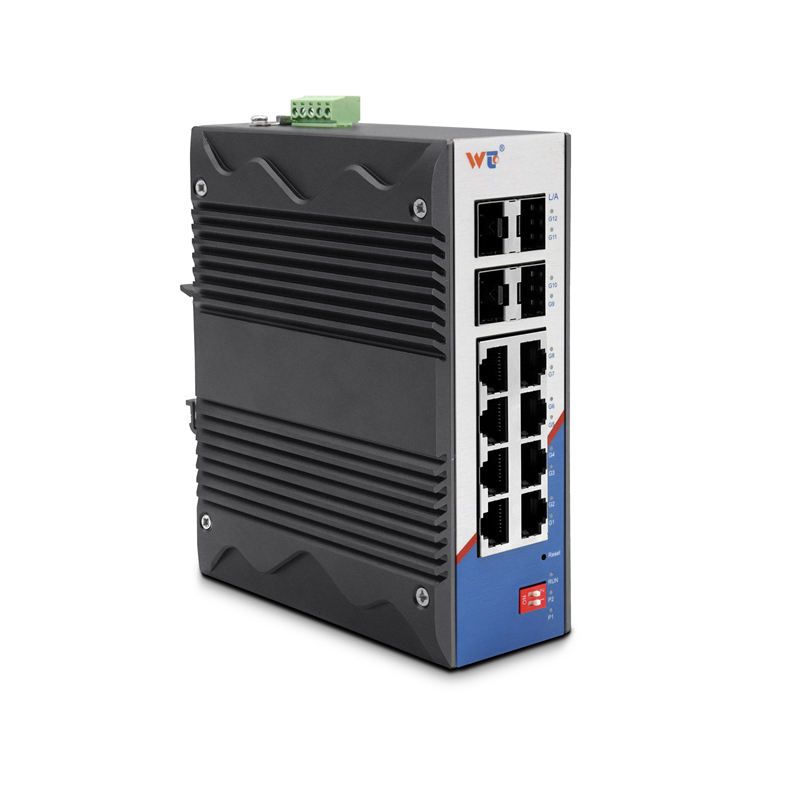
An 8-port industrial PoE switch is compact, thermally lean, and often tuned for outdoor enclosures. Compared to a 16- or 24-port chassis, the smaller unit trades port density for a higher per-port power allocation and simpler thermal profile. Midspan injectors can add power where needed, but they introduce cabling clutter and another failure point. Key terms to keep in mind: PoE budget, port density, and uplink capacity. The 8-port layout wins when localized power provisioning and minimal footprint matter; larger switches win when you prefer centralized power management. Firmware maturity and SFP uplink flexibility are factors that push one choice over another.
Layout flavors and their practical consequences
Think of layouts as recipes. A distributed 8-port per-node recipe gives you consistent heat distribution—each enclosure handles its own PoE budget. Centralized 24-port recipes concentrate power and require beefier cooling and UPS support. The two main failure modes are under-provisioning (devices starve) and overloading (switch reduces port power). VLAN segmentation and link aggregation can mitigate traffic issues, but they do not solve power deficits. Choose the physical layout that keeps power and thermal demands inside predictable bounds.
Checklist for field deployments
Installers and planners should follow simple, tactile checks that read like a tasting menu:
– Measure actual device draw, not nameplate figures; allow a 20–30% safety margin for PoE budget calculations.
– Verify ambient temperature in the enclosure; thermal derating affects available PoE.
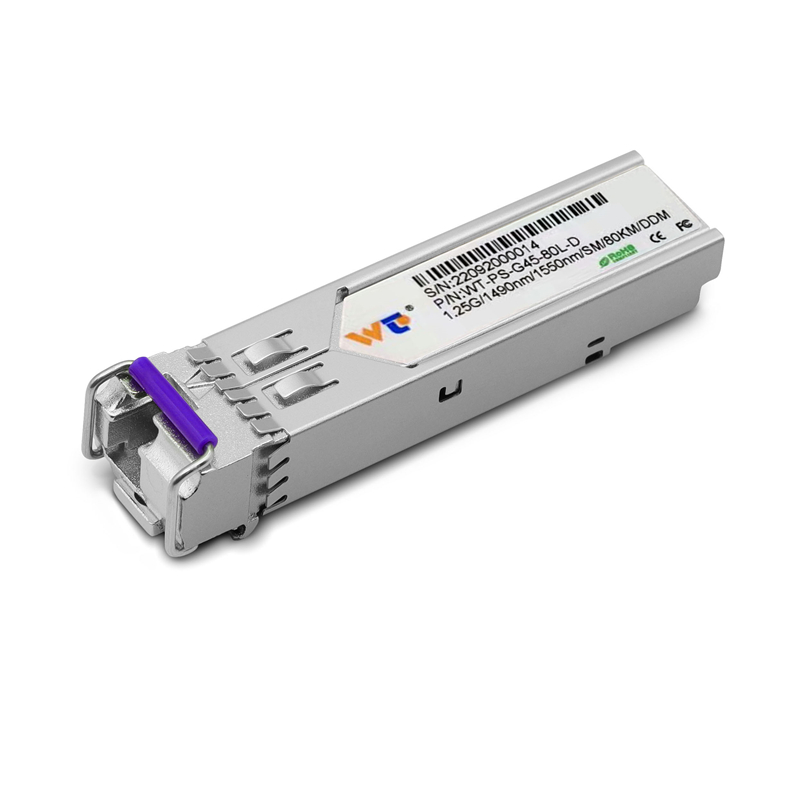
– Confirm uplink SFP type and distance; fiber uplinks can free copper for PoE delivery.
– Use power monitoring features in switch firmware to spot drift and phantom loads early.
Common mistakes that sour a rollout
Teams often assume uniform device consumption and skip per-port audits—this is the fastest way to hit a budget shortfall. Another frequent error is over-relying on midspans without documenting cable runs; maintenance becomes a scavenger hunt. Finally, ignoring switch firmware updates denies you power-management features that can throttle or schedule port power intelligently—small fixes with outsized benefits. —A field tech once swapped an 8-port switch for a larger unit and solved reboots, but the true win came after tuning port priorities.
Real-world anchor: lessons from airport apron and city camera installs
At busy transport hubs like Heathrow and in several municipal camera deployments, technicians found that splitting loads into multiple 8-port nodes reduced outage blast radius. When one node hit a thermal limit, only a handful of cameras cycled, not an entire wing. The practice improved mean time to repair and simplified spare parts—fewer expensive chassis spares, more identical compact switches. These operational gains translate to real schedule stability and lower on-call stress for field teams.
Decision guide: when to pick each option
Match the layout to the mission: choose 8-port industrial PoE switches for dispersed, weather-exposed sites with moderate device counts. Opt for higher-density chassis when backend consolidation and centralized UPS make sense. Keep an eye on VLAN planning and uplink bandwidth; they determine whether traffic will be a bottleneck after you fix power. Use the switch’s built-in power reporting as your ongoing sensor—don’t rely on ad hoc spreadsheets forever.
Three golden rules for selecting the right layout
1) Prioritize measured PoE budget per node: size each switch so its available wattage exceeds expected draw plus 25% headroom.
2) Factor thermal derating and enclosure conditions early: a cool switch delivers more consistent power than a stressed one.
3) Standardize firmware and spare modules across nodes: operational simplicity beats edge-case optimization every time.
Field-tested choices favor compact, smart layouts that reduce blast radius and speed repairs; that value is precisely what WINTOP brings to outdoor deployments—reliable switches, clear specs, and parts you can trust. —