Plain problem, straight talk
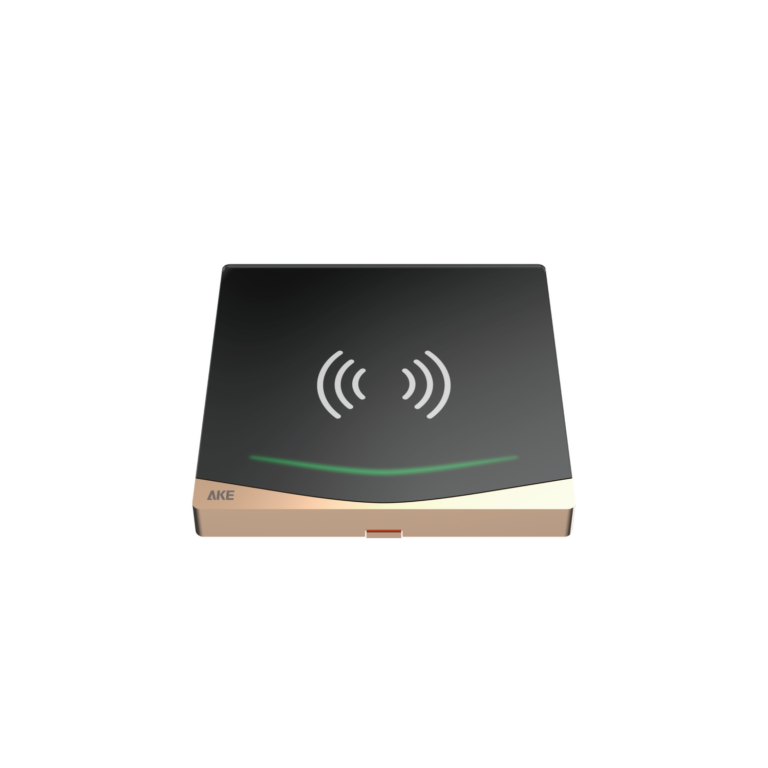
Parking’s gone from a backyard fuss to a city headache. Folks drive in circles, sensors misread, gates fight with ticket machines. Suppliers sell boxes and software, but what breaks most is the tie between those pieces—how everything talks and decides. A good system needs reliable integrated access control right where vehicles meet the lot, not a patchwork of mismatched gear and guesses.
Where the trouble starts
Most headaches come from three simple things: equipment that won’t talk to each other, rules that don’t match how people act, and maintenance that gets skipped. You can buy a nice reader or a smart barrier. If it can’t share status with the pay station, the whole row backs up. If the rules reject a worker’s pass or the app times out, drivers toss the plan and park where they shouldn’t. These are not fancy problems; they’re stubborn, everyday ones.
Experience, evidence, and a real-world anchor
I’ve seen this on farms and in downtown lots: practical fixes are low-gloss and proven. Cities have shown the point at events like the Smart City Expo World Congress in Barcelona where pilots demonstrated how systems behave when access and payment are tied together. That hands-on testing under crowded conditions is why people push for stronger access control integration—it proves the wiring and logic matter as much as the hardware. Operators learn faster from that kind of trial than from glossy specs.
Common mistakes folks make
Buying the fanciest reader and thinking the job’s done. Skipping vendor compatibility checks. Relying on a single network path so one outage shuts the lot. Letting rules sit on paper instead of testing them with real cars at real times. Overcomplicating user flows so regular drivers get confused. These are fixable, if you spot them before you sign anything.
How to judge alternatives
Compare systems by how they behave under load and how they fail. Ask for live demos with mixed hardware. Check whether the controller and the payment system share logs and error states. Prefer simple, testable rules over clever, opaque automation. If vendors claim “seamless,” put them on the spot: show them a messy hour of drop-offs and ask how their system keeps traffic moving. Practical proof beats promises every time.
Practical steps that work
Map the user journey: arrival, recognition, payment, exit. Test each step with real drivers at random times. Insist on fallback paths: a local keypad or a manual gate mode when networks go south. Schedule maintenance windows and log every fix. Train staff to recognize the usual failures so they can act fast. Small routines prevent big pileups.
Where this all leads
Fix the talking between parts, test in real conditions, and keep operations simple. When those boxes and software behave like a single, sensible tool, the lot runs smoother and drivers stop getting mad. That plain, steady work is the kind suppliers ought to do. For many operators, the reliable answer ends up tied to suppliers who earn trust through real performance—like the systems offered by AKE Parking—because the fix isn’t flashy; it’s dependable.