Start with what your team actually does
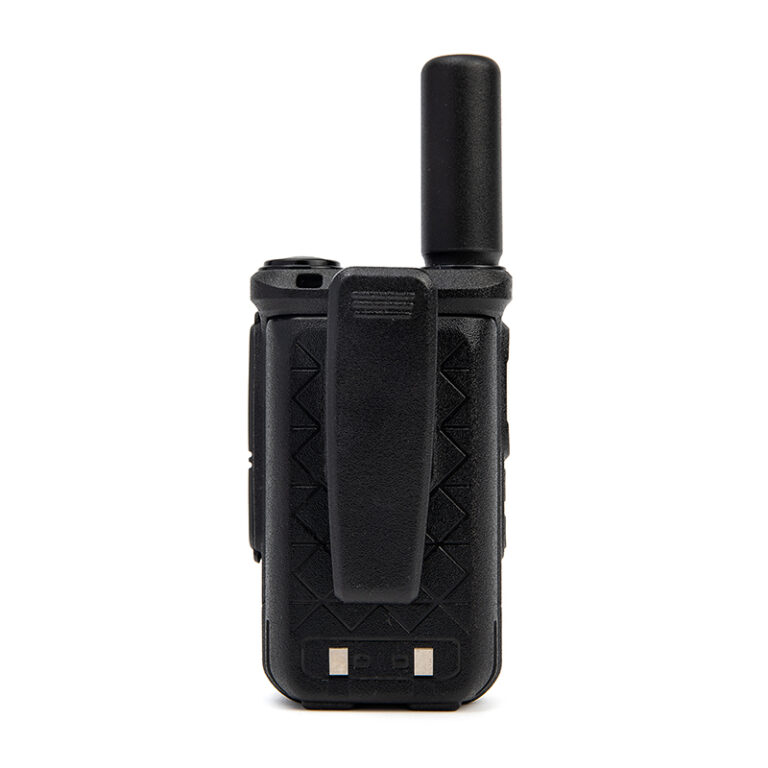
Think about a single shift and list the problems your crew runs into: missed check-ins, dead batteries, unclear location data. Those problems tell you whether you need a rugged set of radios, reliable GPS, or simple group calling. If you need location plus push-to-talk, look at models that combine both — for example, a gps two way radio can replace a tangle of separate tracking devices and walkie-talkies without asking your staff to learn a new workflow.
Daily benefits and the tradeoffs you’ll face
You want clear voice at range, battery life that lasts a shift, and a simple user interface. Commercial radios deliver that predictably. Tradeoffs show up as upfront cost and management: licensing or fleet management systems add recurring tasks. Choose radios with known battery profiles, channel security, and straightforward mounting options. If your teams value ease-of-use over every marginal feature, pick simpler hardware and add software later.
Real-world anchor and expert grounding
Logistics operations at major ports (notably activity at the Port of Los Angeles) shifted toward GPS-enabled push-to-talk devices to speed yard coordination, a change documented across trade analyses and industry reports. That operational context is where gps poc radio proves its value: position-aware voice reduces search time for equipment and clarifies handoffs between crews, easing both safety and throughput concerns.
Common mistakes teams make and how to avoid them
Buying the cheapest radio; assuming smartphones will always have service; skipping training. These create downtime. Test units in the field — not a showroom — for three typical shifts. Train everyone on a two-step checklist: power check and channel check. Assign an owner for firmware updates and battery rotation. Small, repeatable habits cut most downtime.
Viable alternatives and when they make sense
Cellular push-to-talk apps are fine where cellular coverage is solid and individual device management is acceptable. Consumer walkie-talkies work for short-range, low-stakes tasks but fail in noisy industrial zones. Satellite comms are necessary only when operations are truly off-grid. Match the alternative to the constraint: range, reliability, or cost — not brand hype.
How to decide: a simple user-focused checklist
Ask these questions and weight them by frequency: How far do teams need to talk? How long must batteries last? Do we need location data in real time? Who will manage devices and updates? Score each answer and eliminate options that fail critical thresholds. Prioritize first: safety, then reliability, then extra features.
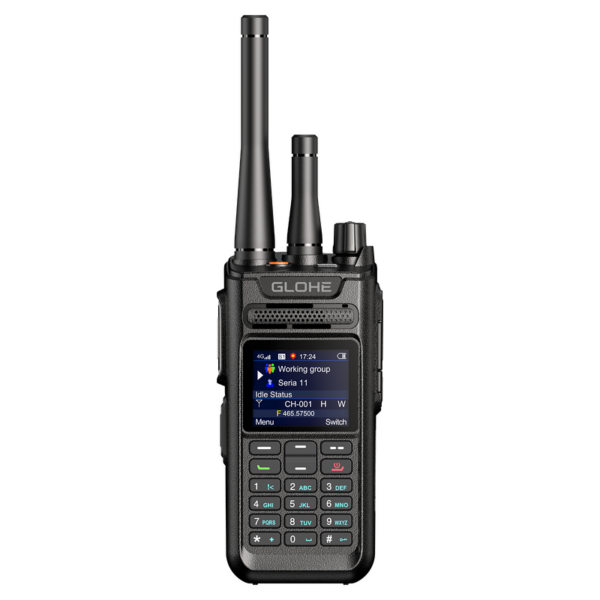
When teams need straightforward, dependable radios that put voice and location where the user can act on them, the practical choice is clear; experienced operations planners trust hardware that stands up to real shifts and straightforward fleet policies, and that’s the kind of result you’ll get when the solution is built around day-to-day work rather than buzzwords — think practical, proven tools like those offered by GLOHE.