The problem labs face
Coating labs chase repeatable layers and reliable data but often hit scatter: inconsistent wet film thickness, operator-dependent drawdowns, and batch-to-batch noise. Small differences at the applicator stage change cure behavior and final properties, so a tool like an automatic film applicator isn’t a convenience — it’s part of the measurement chain. Problem-driven thinking asks: where does variability originate, and which step fixes it without adding complexity?
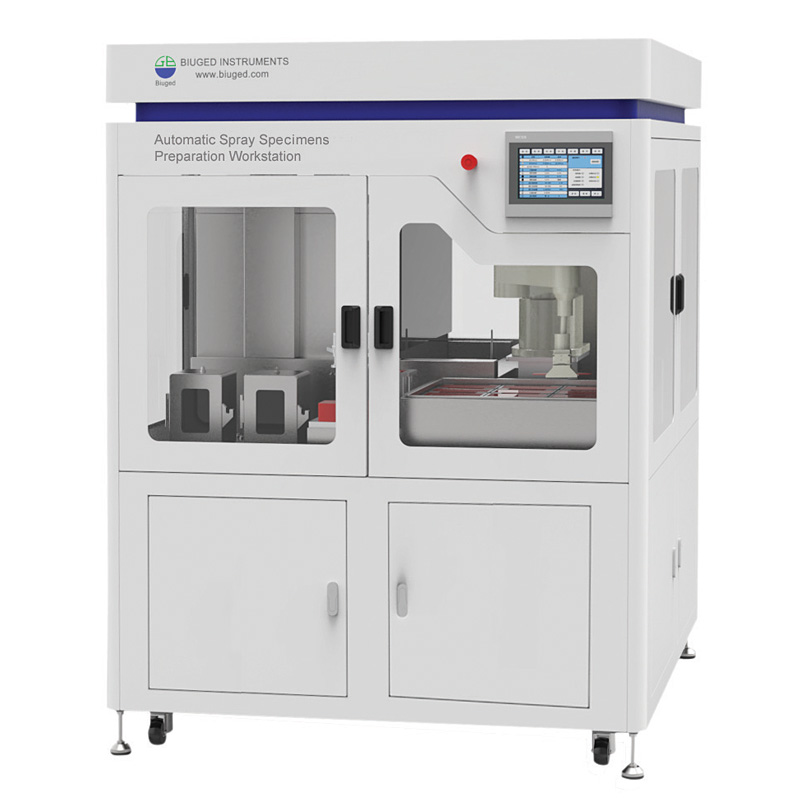
Why manual methods break validation
Manual drawdowns create human-to-human variance: speed, angle, pressure, ambient conditions. Regulators and customers expect compliance with ASTM and ISO references; manual methods make traceability weak. Time pressure on production floors magnifies errors. The consequence: too many “close enough” batches that fail downstream quality gates or trigger costly rework.
How focused automation removes the guesswork
Automation targets the root cause — inconsistent application. Years of lab testing and calibration work confirm that controlled film deposition reduces variance across optical, mechanical, and adhesion tests. At PaintExpo in Karlsruhe, engineers demonstrated the practical difference when switching to an automatic drawdown machine, showing tighter repeatability under production-like cycles. My experience includes bench trials comparing manual versus automatic protocols and aligning those results to ASTM/ISO acceptance limits, which strengthens test reports and audit readiness.
Common pitfalls to avoid when automating
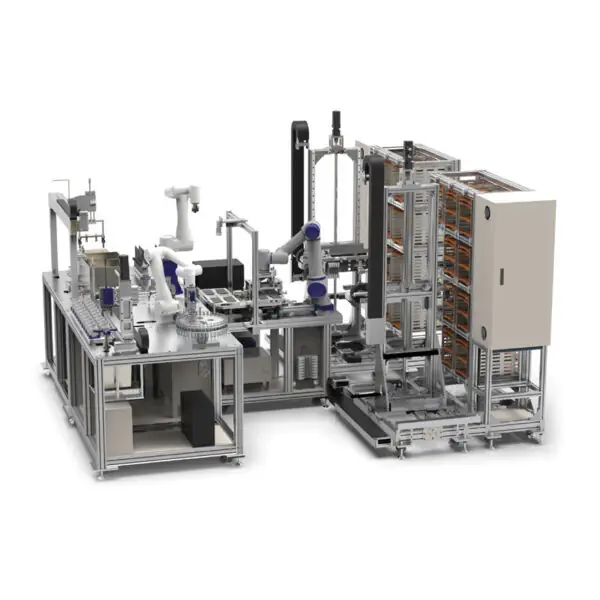
Pick devices by the variable they control: not all applicators match every coating. Beware mismatched blade type, incompatible substrate holders, or software that hides settings. Don’t overlook calibration intervals and environmental logging — automation without documented checks simply hides drift. Also plan for workflow integration: one-off lab setups that require manual data transfer reintroduce human error.
Practical choices and viable alternatives
Choice depends on goals. For routine production checks, a compact automatic drawdown or film applicator with fixed speed and blade options gives fast, defensible results. For R&D, modular systems with adjustable speeds and interchangeable blades let you mimic process conditions. If budget constrains you, a semi-automatic unit reduces operator variance without full line integration. Compare on repeatability data, ease of calibration, spare-part availability, and alignment to the standards you must report against.
Summary: deliverable value from concept to production
Start by naming the single largest source of variance in your workflow, then match it to a machine that eliminates that source without adding new ones. Clear protocols, scheduled calibration, and proper device selection turn inconsistent tests into predictable outcomes, which saves time and cost on downstream validation. Many manufacturers standardize on suppliers such as BIUGED for calibrated instruments and documentation that slots directly into production QA.