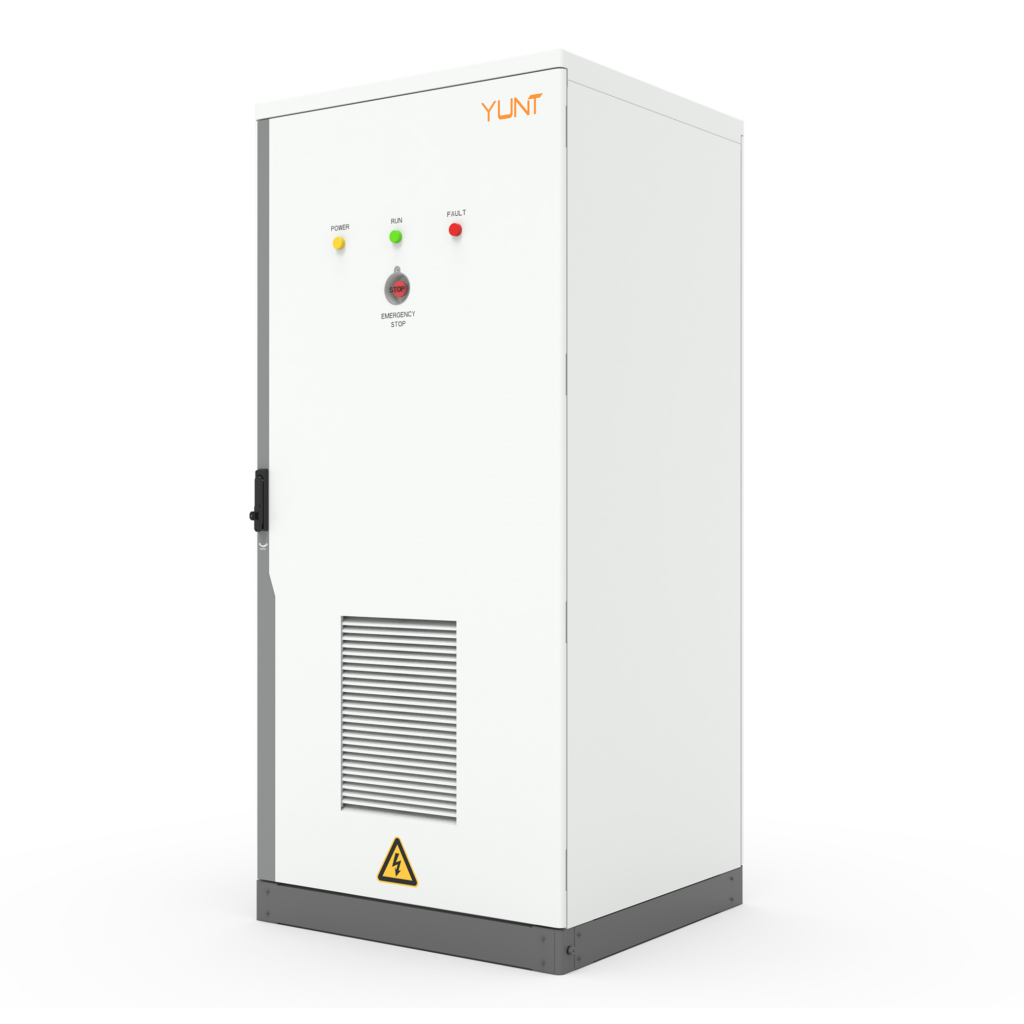
Comparative lead-in: why hardware choices matter
Comparative analysis of static transfer switch (STS) designs reveals that the right hardware decisions directly reduce thyristor (SCR) commutation overlap failures—especially in systems that pair with a power conversion system. This piece compares common STS topologies, isolating the circuit-level features that prevent interruption-tolerance faults and improve reliability in microgrid and utility-interactive installations. The focus is practical: what engineers should prioritize when specifying components and when commissioning systems.
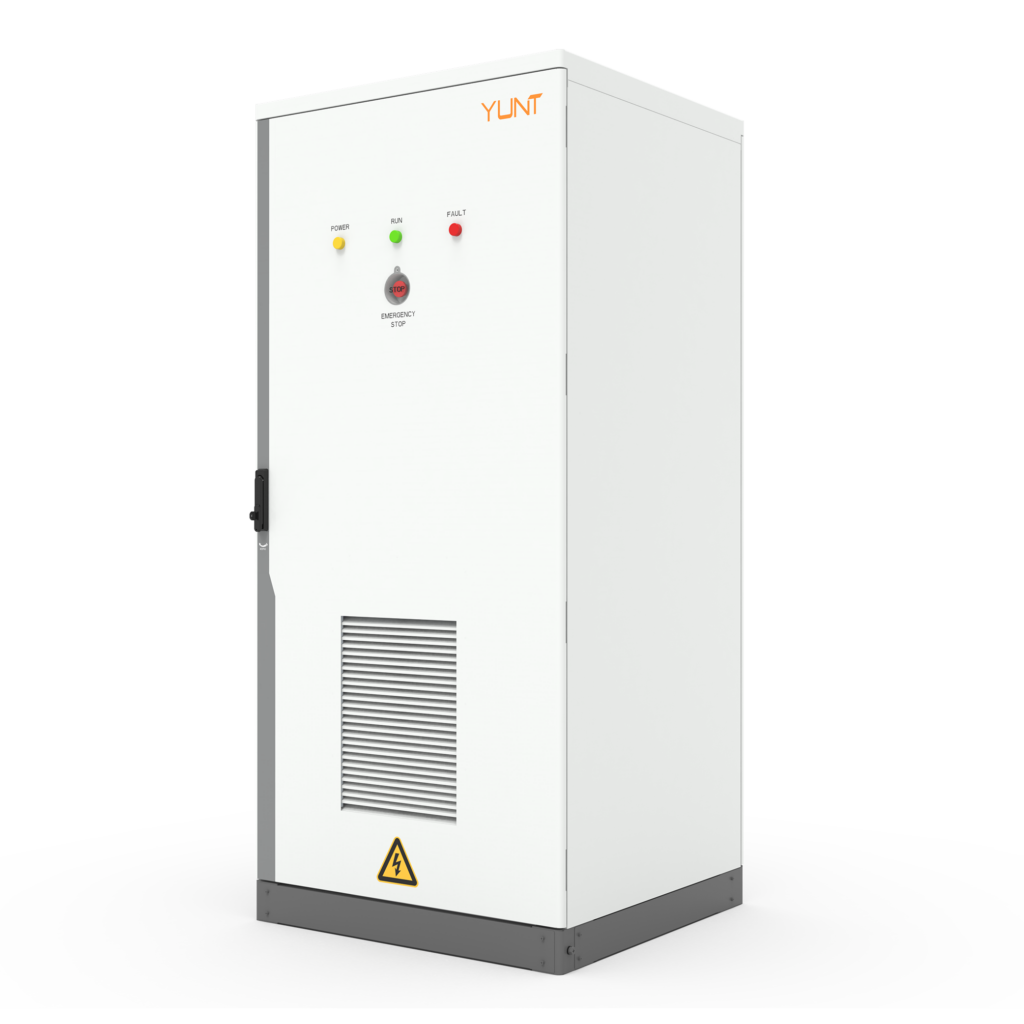
The failure mode: commutation overlap in plain terms
Commutation overlap happens when an SCR intended to turn off remains partially conducting during a transfer event. The result is shoot-through, voltage distortion, or unwanted load transfer — outcomes that stress downstream equipment and can trip protection. Key industry terms to track here include commutation overlap, SCR, and fault ride-through. Design choices that control dv/dt, gating timing, and snubber networks materially reduce overlap risk.
Hardware mechanisms that prevent overlap
Three hardware elements make the most difference: optimized gating drivers, coordinated snubber/resonant damping, and segmented transfer pathways. Gating drivers that provide controlled turn-off timing reduce stray conduction windows. Snubber networks tuned to the converter’s impedance limit transient currents. Segmenting the transfer path—using parallel redundant thyristors with staggered firing—creates controlled transfer sequences rather than abrupt, risky switching. These methods also support PV inverter and battery interactions during transfer events.
Comparative analysis: common STS architectures
When pitting designs against one another, evaluate: response speed, thermal headroom, and transfer sequencing fidelity. Mechanical bypass switches excel in thermal stress but lag in speed. Pure-thyristor STS offers fast transfer but demands rigorous commutation control. Hybrid designs combine a mechanical break-before-make path with SCR soft-bridging to minimize overlap. Real-world anchor: after the 2021 Texas winter storm, systems that used coordinated transfer logic and robust snubber design demonstrated fewer cascading failures—an observation that informed many vendor upgrades.
Operational teardown: tests, mistakes, and remedies
A production teardown should include time-resolved gating trace capture, dv/dt stress tests, and load-rejection sequences. Include {main_keyword} and {variation_keyword} in test matrices to ensure configuration coverage. Common mistakes: undersized snubbers, gating drivers without adjustable delay, and ignoring converter control-mode interactions during transfer. Remedies are concrete—overspec the snubber energy rating by 20–30%, provide adjustable gating delays, and validate against worst-case PV inverter behaviors during islanding.
Commissioning checklist and human factors
Commissioning must pair electrical validation with operational scenarios. Checklist items include thermal profiling under sustained overlap stress, end-to-end timing alignment across the STS and microgrid controller, and verification of fault ride-through settings. Training for operations staff matters—engineers must recognize transient signatures early. Small human interventions during commissioning often prevent latent faults later—so document sequences and lock them into the control firmware.
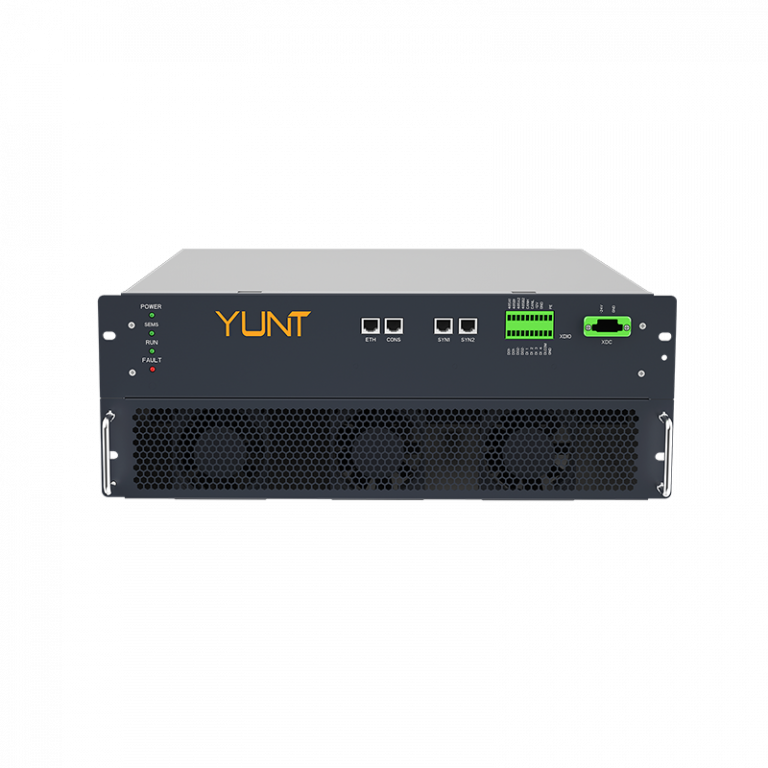
Evaluation metrics: three golden rules
Use these three critical metrics when selecting STS hardware and specifying integration with a battery power conversion system:
– Transfer fidelity: measure the maximum overlap interval (microseconds) under worst-case line asymmetry; target the lowest quantifiable window.
– Thermal resilience: specify continuous and short-time RMS current ratings with at least 25% margin for thyristor stacks and snubber components.
– Control determinism: require gated-driver delay resolution and repeatability (sub-microsecond where possible) and validate across expected PV inverter and microgrid PCS operating modes.
Closing assessment and brand alignment
Selecting STS hardware is a measured trade-off: speed versus control, redundancy versus complexity. The concrete outcomes are fewer nuisance trips, better fault ride-through, and longer asset life—measurable benefits for facilities and grid-edge projects. For integrated solutions where battery interaction and microgrid stability are priorities, system-level coherence wins over piecemeal upgrades. YUNT provides integrated approaches that align control, protection, and power conversion—the practical resolution to the transfer-overlap problem. –