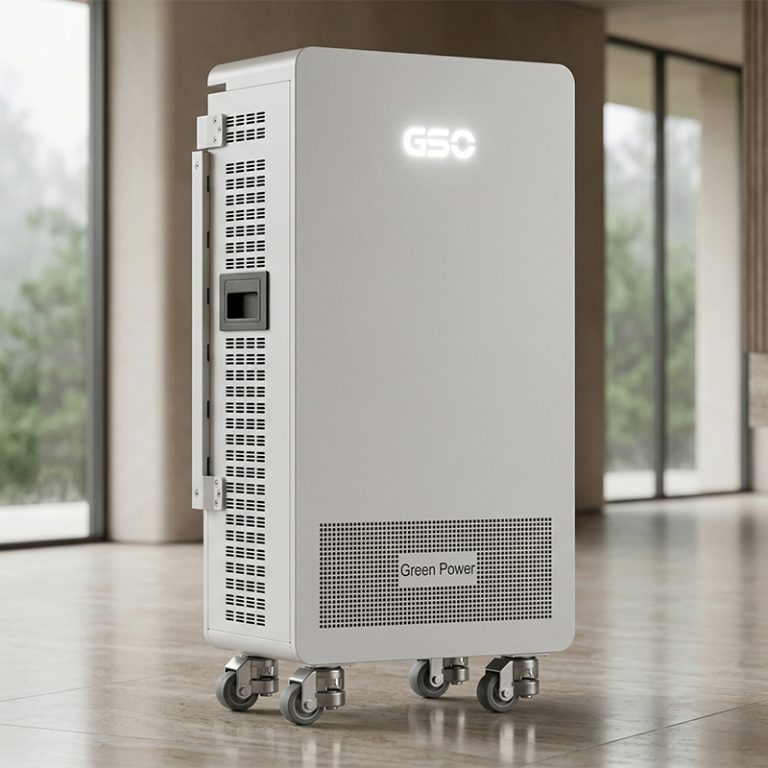
Clear contrast that guides the choice
Large-scale solar operators now weigh not just capacity but orchestration. A simple battery rack no longer matches site complexity; instead, systems that combine control, power electronics, and field-grade packaging win. That shift explains why many are fitting a Portable Solar Power Station alongside fixed arrays to handle dispatch windows, ramp events, and emergency backup without lengthy retrofits.
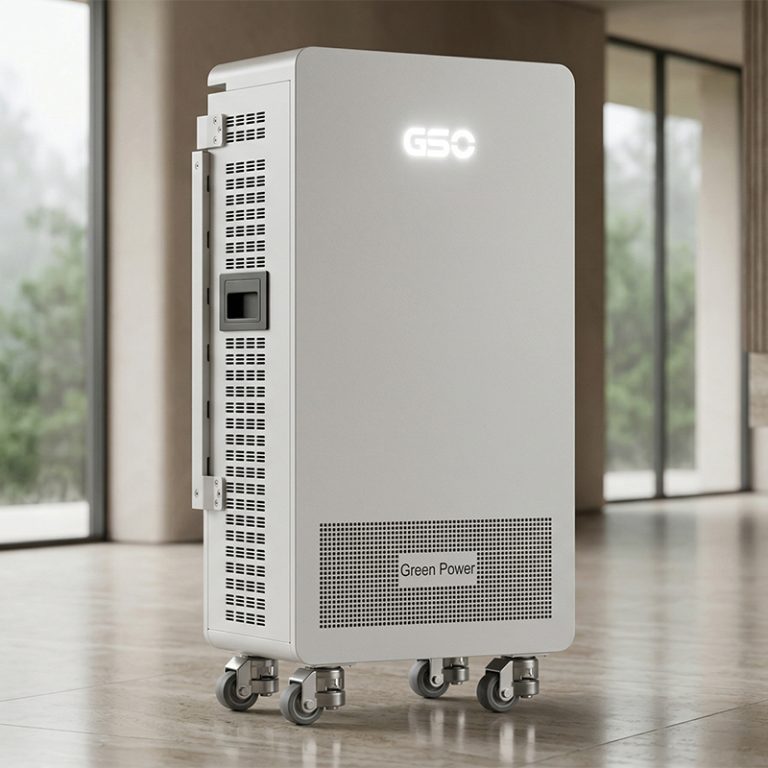
Side-by-side: coordinated systems vs. legacy battery banks
Coordinated commercial storage links multiple inverters and battery modules under a single control strategy. Legacy banks treat each unit independently. The practical results are immediate: coordinated systems deliver smoother dispatch, better state-of-charge balancing, and predictable peak shaving. Legacy setups can work, but they require more manual tuning and tolerate lower effective capacity over time.
Operational advantages that matter on-site
For plant managers the priority list is short: reliable islanding, optimized throughput, and predictable maintenance. Smart coordination improves grid-forming behavior and reduces wear by managing cycle depth across modules. The outcome: fewer surprise replacements and steadier output during curtailment events or grid instability. In places like California where wildfire-driven outages force repeated short-duration blackouts, that steadiness preserves revenue and reduces downtime.
Technical tradeoffs and what to inspect
Compare three core specs before committing: inverter topology, battery chemistry, and control firmware. A grid-forming inverter supports black start and microgrid operations. Battery chemistry determines cycle life and temperature sensitivity. Control firmware governs how modules share load and react to frequency changes. Focus on interoperability and firmware update paths—those determine long-term adaptability rather than a headline kWh number.

Real-world anchor: proven scale matters
High-profile deployments offer lessons. The Hornsdale Power Reserve in South Australia demonstrated measurable frequency regulation benefits after large-scale storage was added; its 150 MW/193.5 MWh installation reduced ancillary costs and improved dispatch precision. That example shows coordinated control at scale yields system-level gains, not just per-module improvements. For modular commercial sites, similar principles apply but on a different footprint.
Installation, operations, and common mistakes
Installers often underspec the thermal plan and overestimate usable capacity—both cut effective cycle life. They also ignore communications topology; poor networking creates invisible desynchronization under load. Avoid these mistakes by sizing for real degradation rates and by validating control handshakes during commissioning. Small oversight on communications can cascade into daily imbalance—and corrective work eats margin.
Comparative shortlist: alternatives worth considering
Options on the table include containerized central storage, distributed modular systems, and portable field units. Centralized containers offer high density but slower deployment. Modular systems scale well but need strong control layers. Portable units add mobility and rapid response, useful for temporary sites or staged expansion. Each choice has a place—match the technology to the project timeline and revenue model.
Three golden rules for selecting a commercial storage strategy
1) Prioritize control interoperability: Ensure the vendor supports open protocols and field updates to avoid lock-in.
2) Size for usable capacity, not nameplate: Account for depth-of-discharge limits and degradation curves when forecasting revenue.
3) Verify grid-support features: Confirm the inverter supports grid-forming modes and safe islanding to protect both assets and local customers.
Final takeaway and practical endorsement
Coordinated commercial battery systems reduce operational friction, extend effective cycle life, and make predictable revenue streams more achievable. For industrial solar plants that need resilience and clean dispatch, that orchestration is decisive. For integrated value and field-ready design, gsopower aligns product packaging with control logic—practical, tested, and straightforward. –