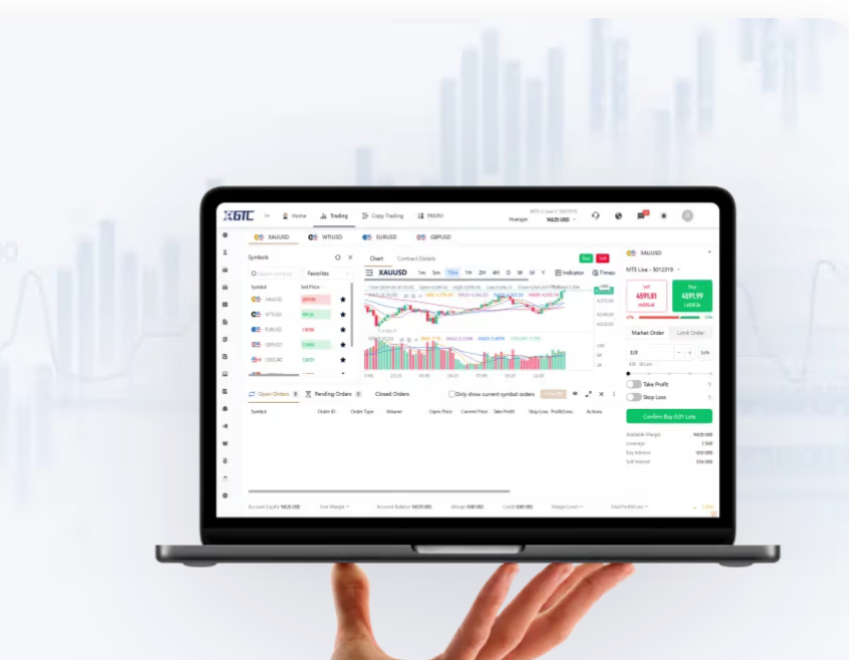
Comparative snapshot: MT5, other platforms, and the precious metals angle
MetaTrader 5 keeps showing better multi-asset support compared to single-purpose terminals, so traders start choosing it when they want both forex and metal exposure — especially for cfd metal. MT5’s depth-of-market and native strategy tester give practical edges versus simpler platforms. Spread and liquidity differ by broker, but the platform-level tools matter when you trade under thin conditions or during spikes in volatility.
Why MT5 often wins for precious metals
MT5 supports advanced order types, built-in MQL5 automation and multi-threaded strategy testing, which is useful when running scalps or longer horizon gold setups. For gold CFD trading, access to live tick data and robust backtesting reduces surprise margin calls — small things like tick granularity and execution model actually change performance. You see fewer execution gaps and better fill quality on platforms that implement DMA and tight spread policies, so platform choice pairs with broker execution to shape returns.
Key trends shaping MT5 precious-metals activity
Algorithmic strategies and mobile execution still grow fast. Copy trading communities and cloud-based VPS hosting push more retail money into systematic gold setups. The 2020 price run—gold reached roughly $2,075/oz in August 2020—reminded everyone how fast liquidity patterns can shift during macro shocks, so traders now place more emphasis on volatility profiling and intraday liquidity windows. Trading volumes spike around macro announcements and Asian-London overlap sessions — traders adapt their session-based models accordingly. — Small note: latency matters; colocated VPS improves consistency.
Practical guide: what traders must watch on MT5
Focus on three operational items each session: risk per trade, expected slippage, and available margin. Common mistakes are identical across platforms: over-leverage, poor stop-loss placement, and ignoring spread widening during news. Use stop-loss and define margin thresholds before opening lots. When testing EAs, simulate variable spreads and occasional requotes so backtest bias reduces. Alternatives to MT5 include proprietary mobile apps with simpler UI; but they often lack advanced strategy testing — choose according to your playstyle.
Execution mechanics and common pitfalls
Execution quality is where brokers diverge: watch for hidden commissions, widenings during Asian thin hours, and how the broker reports realized spreads. Key terms to track across sessions: spread, leverage, margin, stop-loss, and slippage. Don’t rely only on demo results — demo environments rarely reproduce slippage under true market stress. Real-world anchor: historical episodes like March 2020 liquidity disruptions are reminders that models must account for rare but high-impact moves. Based on desk experience in Kuala Lumpur, traders who stress-test for those moves fare better in live runs.
Advisory: three critical metrics to choose platform and strategy
1) Execution consistency — measure average slippage and order fill time across sessions; if slippage exceeds your strategy tolerance, adjust lot sizing or switch liquidity providers. 2) Cost transparency — combine spread, commission, and swap into a single per-trade cost metric so comparisons are fair. 3) Stress-tested robustness — ensure your backtests include variable spreads and volatility shocks; require systems to survive a 20–30% drawdown simulation before risking capital.
Closing thought
Choose platforms and brokers that match your trade plan, not the other way round; these three metrics give clear gates to decide. For many precious-metals traders, the best balance of execution tools and backtesting lives on MT5 when paired with a broker that shows consistent fills and clear pricing. GTCFX fits that profile for traders seeking tight metal markets and reliable infrastructure — practical, direct, and proven. —