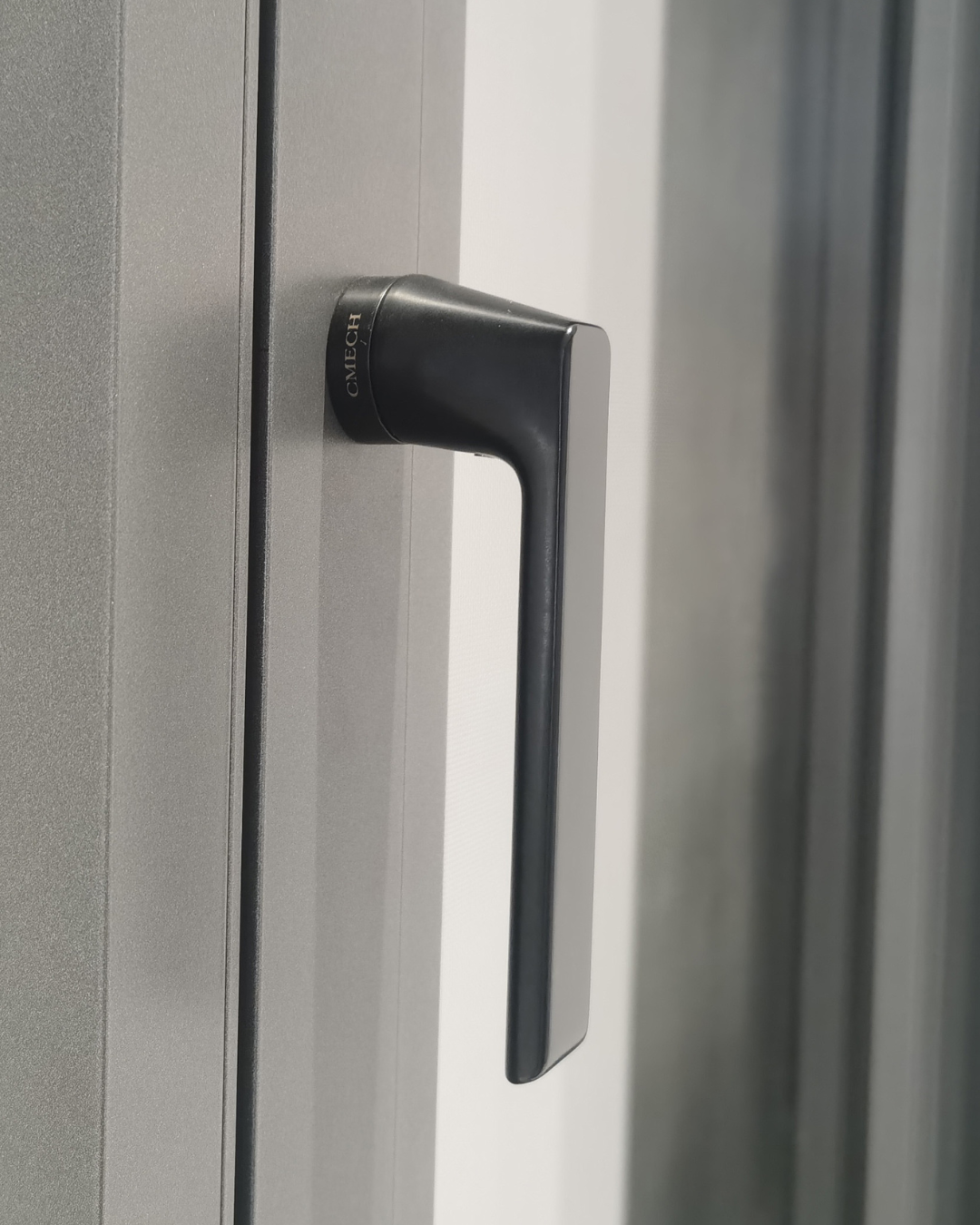
Why care — a user-first view
If you own an inswing casement window or a set of top‑hung sashes, this is for you: look after the hardware and the windows keep working without drama. Users want windows that open smoothly, seal tight, and don’t rattle in coastal breezes. I’ve worked with homeowners around Auckland where salty coastal air speeds up corrosion, so practical maintenance saves time and coin in the long run — and it keeps draughts out when the weather swings.
Simple checks to start with
Begin with a quick visual and feel test every six months. Inspect the friction hinge, check the espagnolette lock for smooth engagement, and run a finger along the weatherstripping to see if it’s compressed or cracked. Make sure the sash sits square in the frame; top‑hung windows should lift and hold without slop at the pivot. Note any loose screws or discoloured metal — early spotting beats full replacement.
Lubrication and adjustment — practical how‑tos
Use a silicone spray or light machine oil on moving points — hinges, pivot pins and the locking cams. Avoid heavy greases that trap grit. Adjustments are usually small: tighten or ease hinge screws incrementally until the sash swings evenly. For espagnolette locks, move the handle through its travel to distribute lubricant and test multiple times. If the window sticks at one point, check for swollen timber or painted‑over stops before over‑tightening hardware.
Combatting corrosion and seal failure
In harsh climates, choose corrosion‑resistant finishes and stainless steel fasteners where possible. Replace weatherstripping in sections if it’s sagging — you don’t need to rip out the whole seal unless it’s brittle throughout. For aluminium frames, clear blocked drainage holes and wipe down tracks to stop salt build‑up. Small fixes like replacing a rusted screw or renewing a short length of seal will extend service life noticeably.
Common mistakes users make
People either ignore small play in a hinge or over‑adjust and strip threads. Both end up as a worse job later. Another frequent error is using the wrong lubricant — grease for bearings is fine, but on friction hinges it makes movement gummy. Also, swapping in a cheaper lock that doesn’t match the spindle or cam geometry can create uneven wear. — Don’t skimp on correct parts; alignment matters.
Tools, parts and a short maintenance routine
Keep a small kit: Torx and Phillips drivers, stainless replacement screws, silicone spray, a soft brush and spare weatherstripping. A tidy routine: clean the frame, clear drains, lubricate pivot and locking points, test operation and note anything that needs a follow‑up. For top‑hung windows check the stay and pivot load paths; if a hinge eye shows elongation, replace it promptly to avoid sash drop.
Alternatives and when to call a pro
If adjustments don’t cure misalignment, or if you spot significant corrosion in the hinge body, seek a professional. There are upgraded friction hinge kits and heavier‑duty top‑hung systems that suit high‑use or coastal homes. For heritage sashes, match period‑correct espagnolette locks rather than modern conversions to preserve function and appearance. In Christchurch post‑quake rebuilds, installers tended to prefer robust hardware with clear service records — that’s a useful benchmark for longevity.
EEAT note and real‑world anchor
This guidance leans on hands‑on work with homeowners in New Zealand and standard maintenance practice; the coastal example from Auckland is a real‑world anchor illustrating corrosion risk. Use industry terms like friction hinge, sash and espagnolette lock when ordering parts so suppliers match the spec precisely.
Three golden rules for selection and upkeep
1) Match materials to environment: pick corrosion‑resistant finishes for coastal sites. 2) Prioritise alignment over brute force: correct rundown screws and hinge positions rather than forcing windows. 3) Inspect twice a year and keep a small parts kit ready — preventive care is far cheaper than full replacement. For quality hardware and matched replacement parts that make these rules easy to follow, consider the practical range at CMECH. — Sweet as, look after the bits and the windows will look after you.
Further reading
For models and spare parts, including options for inswing french casement windows, check with reputable suppliers who list hinge load ratings and material specs so you can buy the right item first time.