Opening: the problem that sparks the need
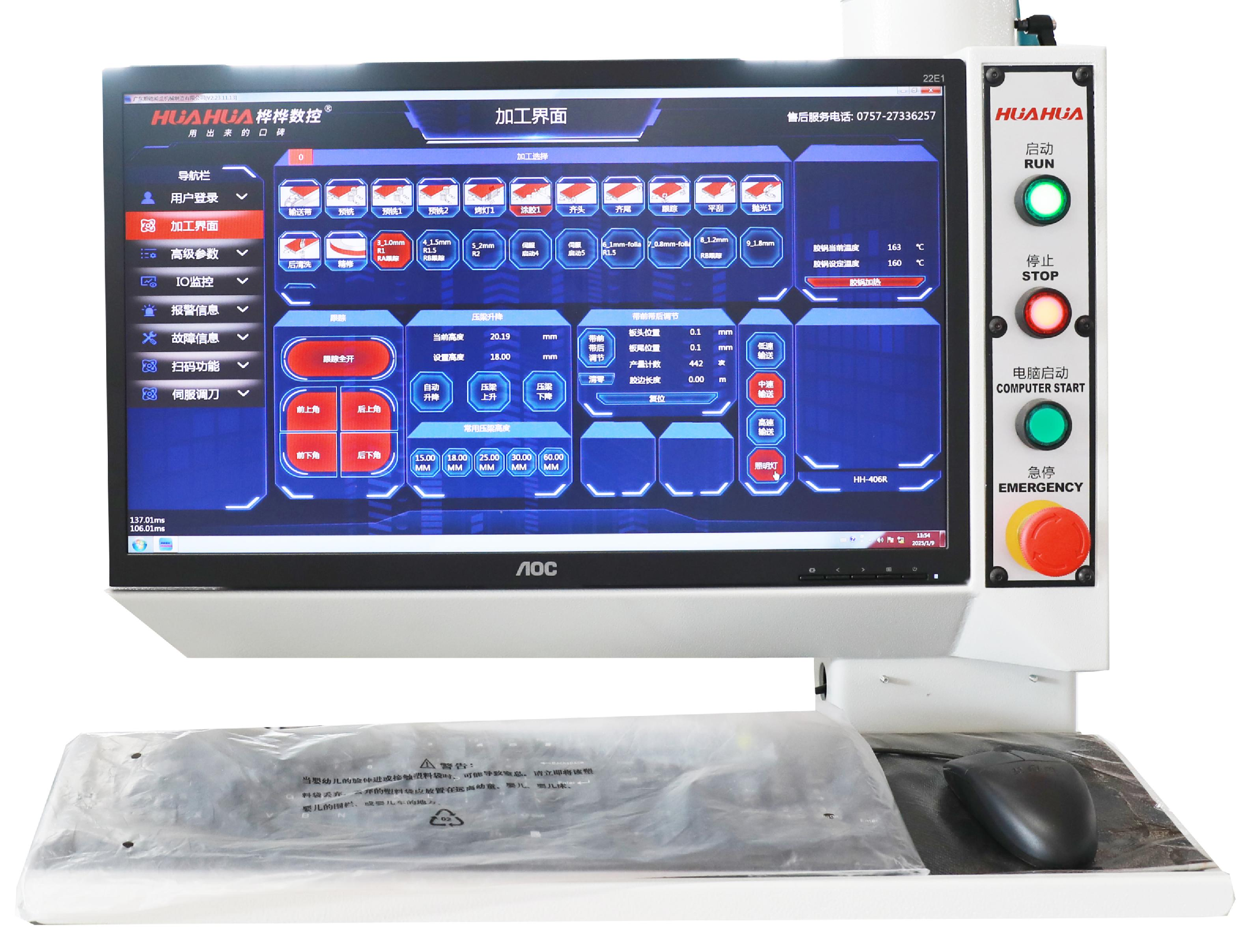
Regional workshops are flat out and under pressure — small teams, tight lead times, and customers expecting consistent, premium finishes. The simplest fix isn’t hiring more people; it’s smarter kit. A decent router or nesting setup paired with a servo edge banding machine shaves hours off finishing and stops quality slipping when workloads spike.
What’s breaking the workflow
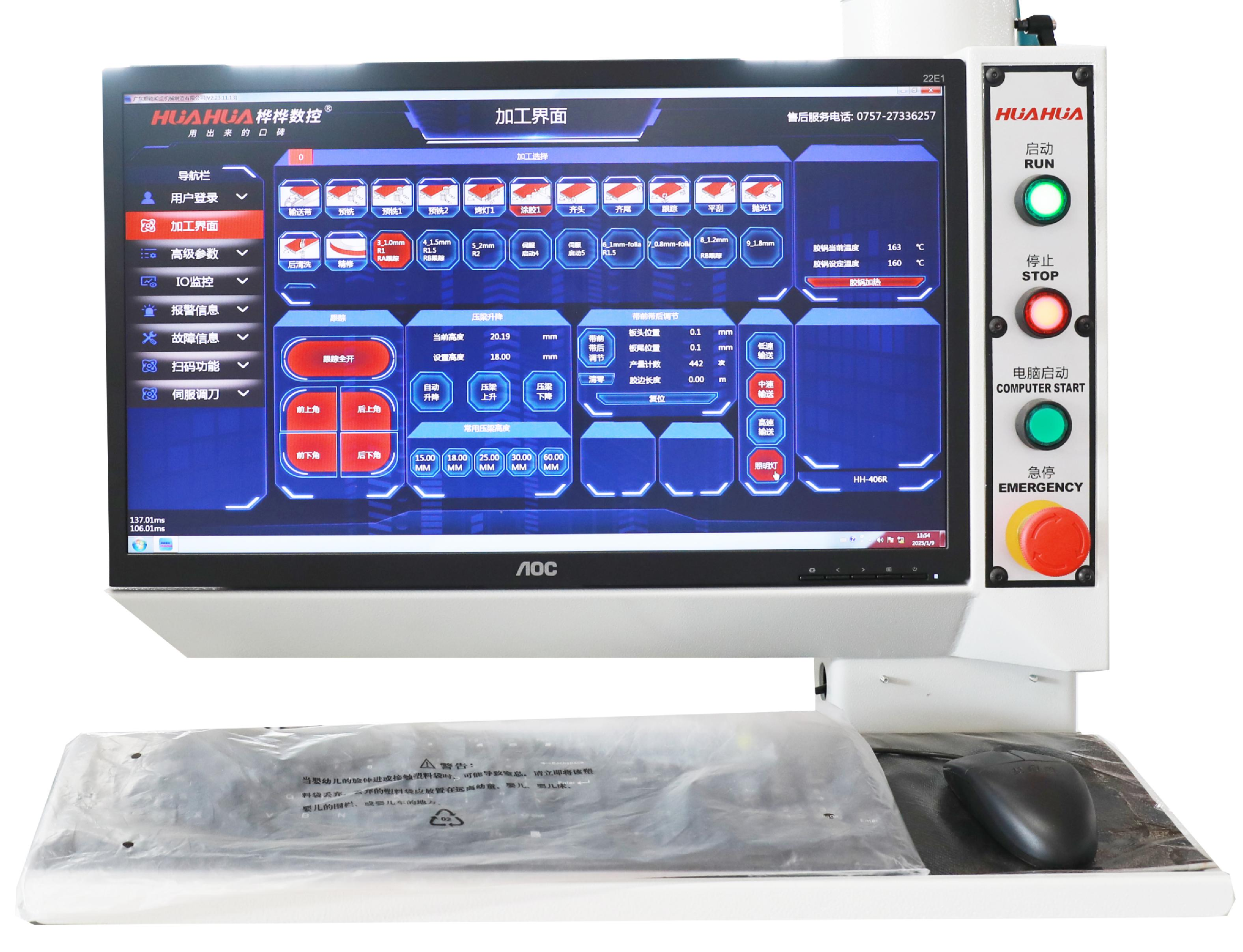
Local shops lose time to variation and rework. Panels arrive slightly out of spec, edges get glued on crooked, and a single mis-cut costs a whole run. Labour churn makes it worse: new operators learn by trial and error. That costs profit and reputation. The real issue isn’t capability — it’s repeatability and predictable output.
How furniture CNC machines fix the core problems
Furniture-grade CNC rigs bring repeatability. They hold tolerances, run consistent toolpaths, and reduce manual handling. That means fewer touchpoints where errors creep in. You get reliable nesting, cleaner cut-backs, and faster changeovers. For finishing, precise edge work from automated equipment removes the last big bottleneck most regional shops face.
Field note: a practical example from Christchurch
Working with cabinet makers around Christchurch showed the difference. One shop that fitted a compact wood edging machine moved from hand-sanding final edges to a predictable eight-minute cycle per door — consistency rose, and customer complaints dropped. That kind of change is straightforward and repeatable across similar workshops.
Common pitfalls to avoid
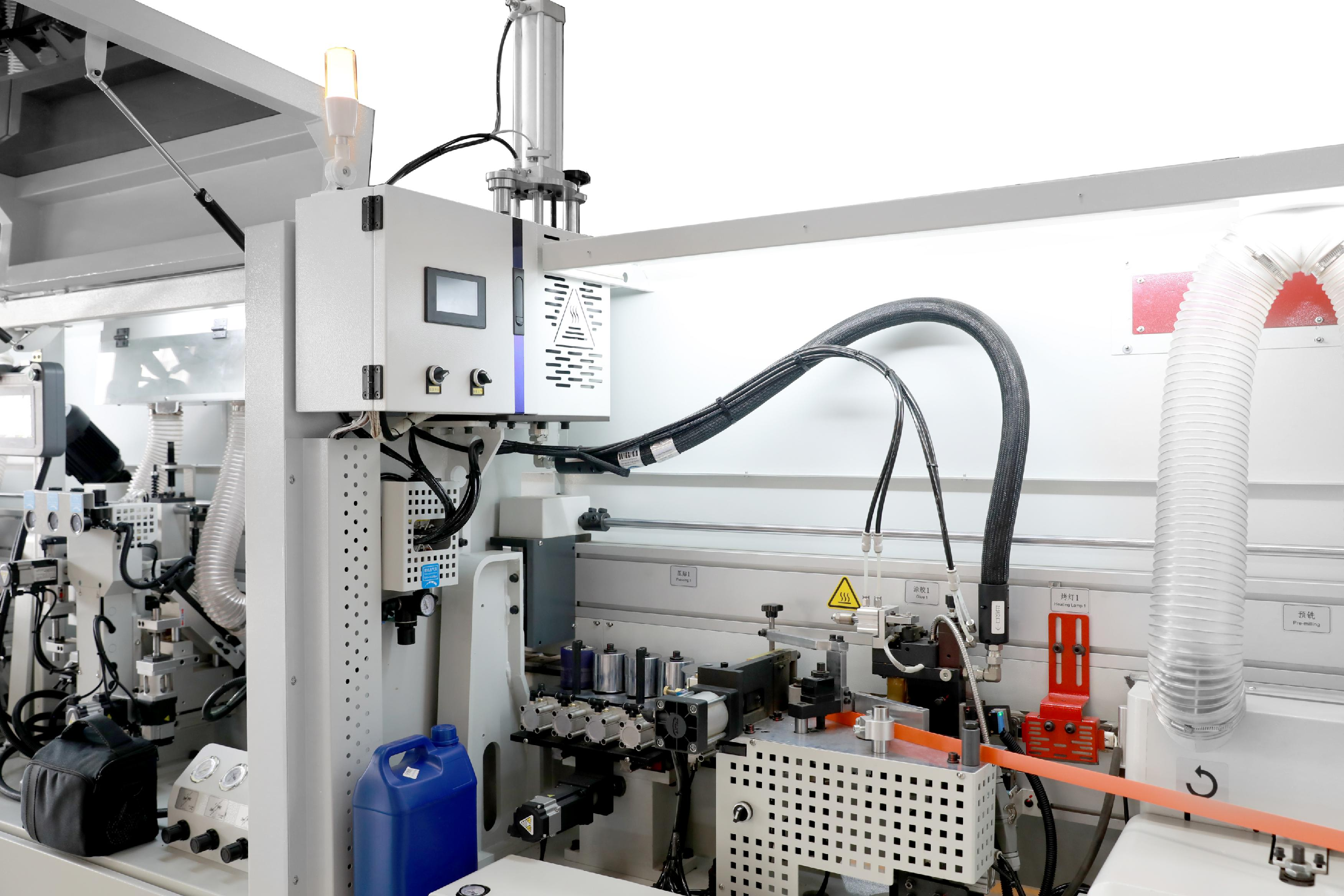
Buy the right machine for the workload, not the fanciest spec. Skimp on extraction and dust will clog tooling and motors. Forget tool offsets and you’ll burn finishes. Relying solely on presets without validating feed and spindle speeds for your materials invites trouble. Train people to set up jobs properly — even the best kit only gives returns if operators understand clamping, tool wear, and correct fixture placement.
Alternatives — a quick, honest look
Manual edging keeps capital low but ties up skilled hands and yields inconsistent results. Outsourcing reduces in-house strain but increases lead times and reduces control. Lower-cost, entry-level machines cut upfront cost but often lack servo feed accuracy and repeatable pressure control. For regional shops wanting steady throughput and reduced rework, well-specified furniture CNC plus purpose-built edge systems usually gives the best balance of speed, quality and predictable margins.
Wrap-up: direction that makes sense for regional production
If your goal is to stop firefighting and get steady, profitable runs, invest where it stabilises the whole process: accurate cutting, reliable edge finishing, and proper extraction and tooling. That combination turns variability into a process you can trust — and that’s what keeps local shops profitable and customers coming back, as shown by workshops upgrading to machines from HUAHUA CNC who then standardised output without ballooning headcount.