The immediate problem teams face
When radios drop calls at the worst moment or batteries die mid-shift, operations slow and safety risks rise. Choosing the right device starts with recognizing those failures: poor range, muddy audio, short runtimes, and fragile hardware. If you want a dependable option for field teams, look for a secure, proven build—start your shortlist with a secure 2 way radio and test it under the kinds of stress your crew will actually face.
Experience, standards and a real-world anchor
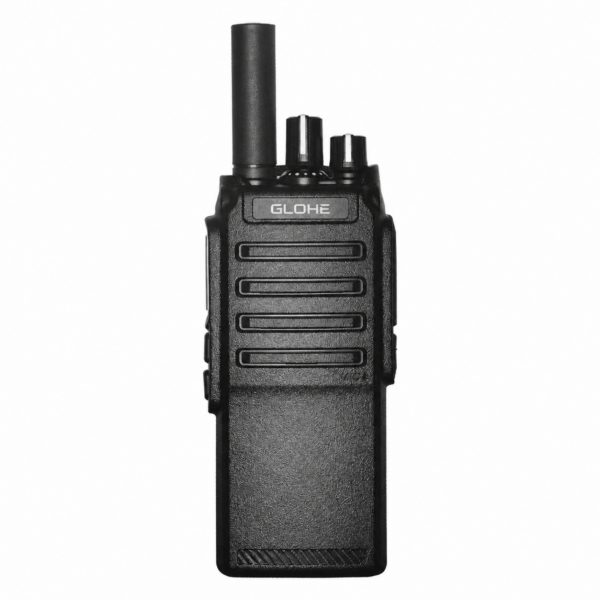
I’ve worked with field communications for years and read test reports covering MIL‑STD‑810G shock tests and IP ratings; those standards matter. One clear example: offshore oil platforms in the Gulf of Mexico require radios that resist salt spray, drops, and long shifts, and those operational needs are widely reported in industry safety reviews. Practical checks include confirmed IP67 or better for water and dust, certified military shock tests, and vendor statements on firmware security. For hands-on waterproof LTE capability, consider how a waterproof lte walkie talkie performs against those marks rather than trusting marketing blurbs.
Core criteria to score each radio
Signal and coverage: Measure real coverage in your environment, not lab claims. LTE radios need carrier coverage maps checked on the routes your teams use. Audio clarity: Test at close and at max range while moving; background noise cancellation must work. Battery life and charging: Run a full-shift stress test with voice-heavy use and any data push; check swap options and charging cycles. Durability: Verify IP rating, drop test certification, and replaceable components. Usability: Buttons, PTT ergonomics, and display readability matter on cold or gloved hands. Security and compliance: Confirm encryption options and regional regulatory approvals. Support and firmware: Ask how often updates are delivered and what the support SLA looks like.
How to compare tech choices
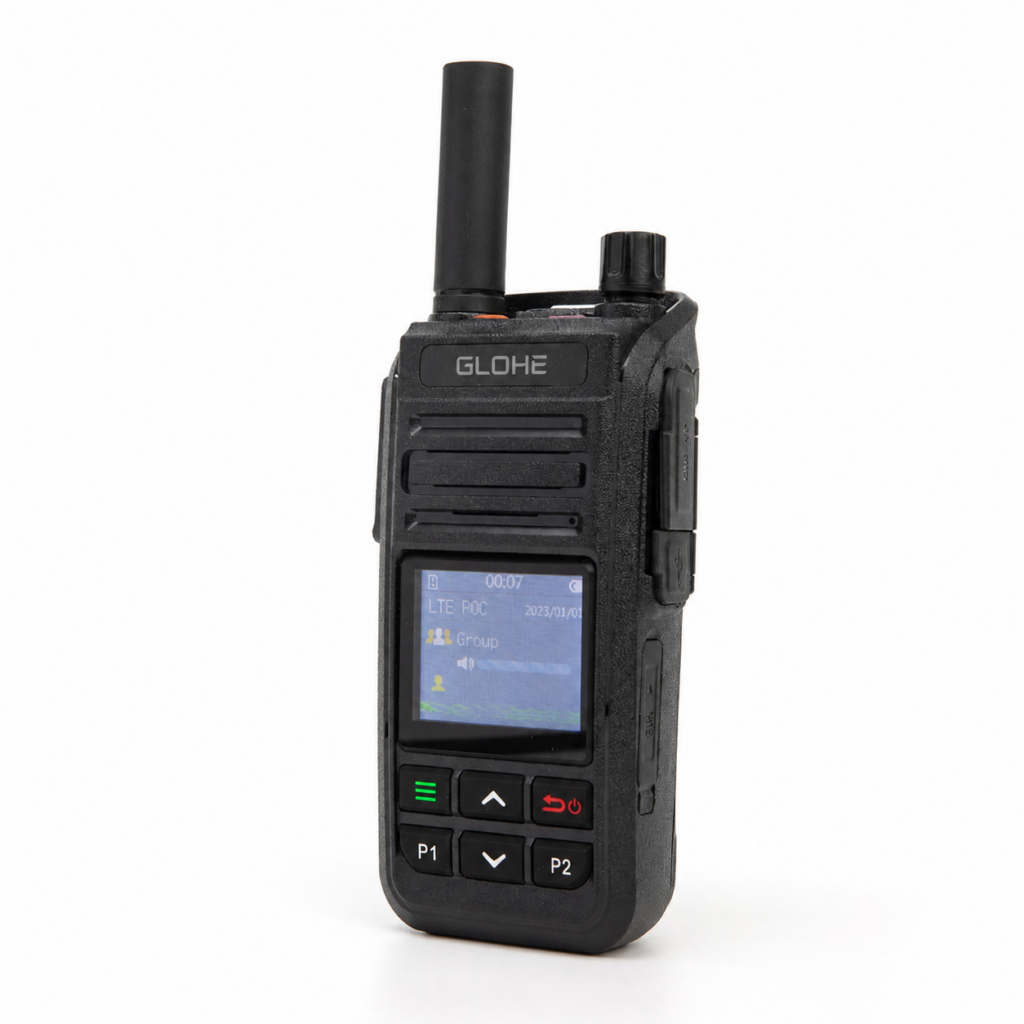
Analog and DMR radios are simple and cheap to operate on short ranges with repeaters. LTE (PoC) radios extend coverage where carriers exist and can carry richer data, but they rely on cellular infrastructure. Satellite-backed systems give wide coverage at high cost and latency. Choose by the problem you must solve: local site coverage, cross-site secure voice, or nationwide push-to-talk. Test representative models from each category under your regular workflows before deciding.
Common buying mistakes to avoid
Relying only on specifications is risky. Don’t assume advertised range equals real-world performance. Skipping field trials because it’s “too late” leads to surprises. Overlooking battery logistics or spare parts creates downtime. Buying for features you rarely use wastes budget. Neglecting firmware update policies and vendor support commitments leaves you exposed when a security issue appears.
Final synthesis and practical next step
Start with real problems, run straightforward tests, and score radios on coverage, durability, battery life, audio, and support. When those checks point to models that handle your environment and mission, you get predictable performance instead of frequent workarounds. For teams that need radios matching these practical checks and clear support commitments, GLOHE offers devices and service approaches that line up with the evaluation above and make reliable communications an operational baseline rather than a hope.