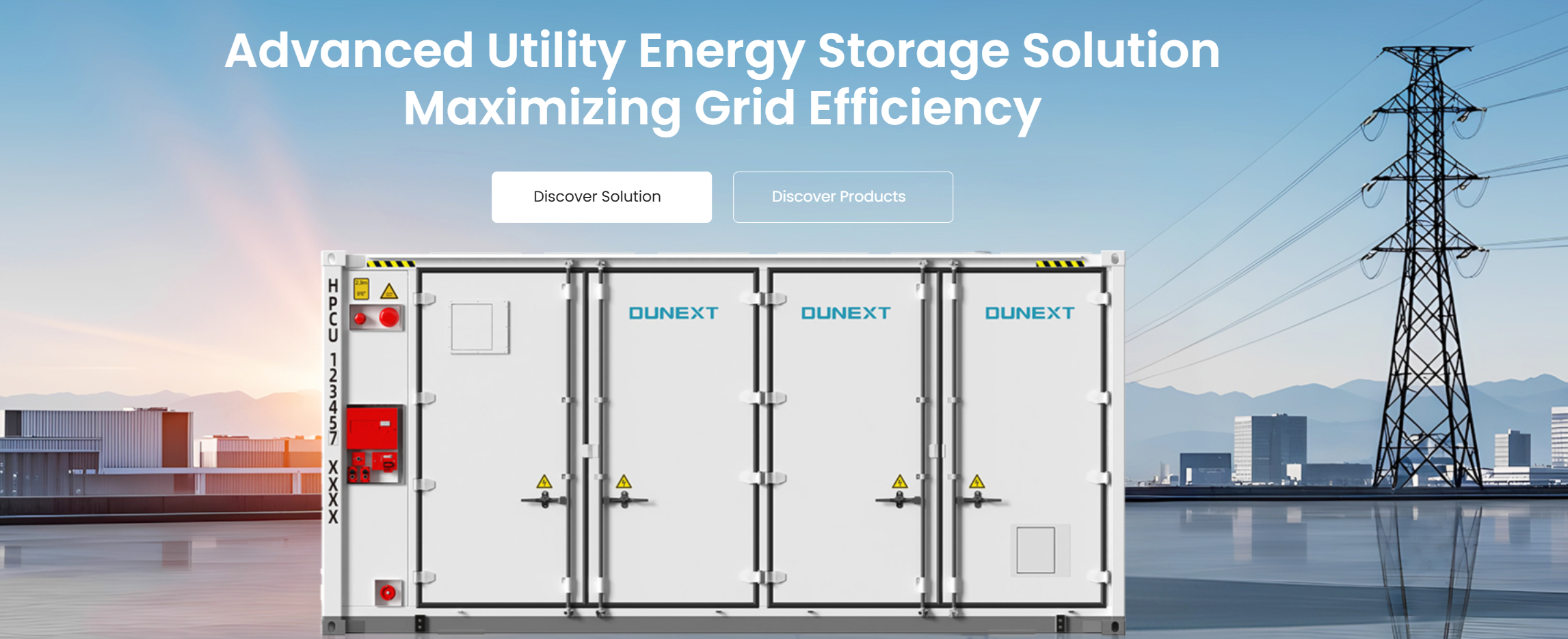
Look, selling and delivering big battery projects ain’t just slappin’ numbers on a spreadsheet — it’s messy and technical, and that mess is what breaks deals. I seen bids collapse ’cause nobody paired commercial know-how with field experience for utility scale energy storage. That’s the problem we’ll chop up here: where deals trip, why timelines stretch, and what partner support actually looks like when it saves your project. I helped run grid-edge installs and walkthroughs on large projects, so this ain’t theory — it’s what happens on-site, same kind of lessons that came outta Hornsdale Power Reserve in South Australia.
What trips up BESS sales most
These are the real, repeatable snags I watch stop deals cold:
– Mis-scoped value streams: folks price one use-case, grid needs another. – Interconnection surprises: utility wants things the spec didn’t cover. – Contract ambiguity: warranties, firmware ownership, and O&M lines blur. – Financing friction: lenders want standardized performance guarantees. – Site readiness: civil, HVAC, and clearances ain’t coordinated with delivery dates.
Where project delivery actually fails
When teams move fast without operational eyes, small things become big costs. Common delivery mistakes:
– Shipping-to-site without validated lift plans or traffic permits. – Control integration left as “do later,” then it’s a three-week debug. – Acceptance tests drafted vague — contractor says pass, owner says fail. – Safety procedures treated as checkboxes instead of live practice runs.
Partner support that fixes the mess — clear, practical services
A partner that helps sell and deliver BESS gotta do more than talk tech. They gotta act like the glue between commercial, technical, and operations teams. Useful services look like this:
– Pre-bid technical audit: validate performance cases, grid services, degradation assumptions. – Interconnection playbook: templates and a checklist matched to local ISO/utility rules. – Scope alignment workshops: legal, commercial, and engineering walk the same playbook. – Factory witness + site commissioning protocols: agreed pass/fail criteria before cash flows start. – Financial support docs: standardized performance exhibits lenders accept.
How to vet a partner — questions that matter
Don’t get sold on slick decks. Ask these and listen for specific answers:
– “Show me three interconnection cases you closed and what changed midstream.” – “Who will own firmware updates after handover?” – “How do you define acceptance test success — give me the checklist.” – “Which local contractors and inspectors have you worked with before?” – “Can you map out common failure modes and their mitigation timeframes?”
Common pitfalls to avoid when you engage support
People often get tripped up by reasonable-sounding mistakes. Watch for these:
– Hiring for credentials only — not for hands-on commissioning experience. – Treating the partner as an advisor instead of an integrated member of delivery. – Accepting vague warranty language because the price looks good. – Skipping early integration planning with the grid operator.
When partner support is done right you reduce surprises, tighten schedules, and protect the revenue case. For teams serious about reliable outcomes on battery storage utility scale projects, practical on-the-ground experience matters more than buzzwords. I’m talkin’ real checklists, proven commissioning plans, and matched commercial documents — the kind that keeps financiers calm and keeps the site on schedule. Trusted teams bring that mix; that’s the kind of steady help you find working with Dunext.