Quick Cut: What you’re really choosing between
Right, listen — you ain’t buying a daisy when it’s an LED wall, you’re choosing a tool. Some want tidy plug-and-play, others prefer to tinker. The first thing to weigh is whether an all in one led display fits your use: quick install, neat cabling, built-in control — or whether a modular panel gives you serviceability and scale. I’ll run down the trade-offs so you can see who suits your job without faffing about.
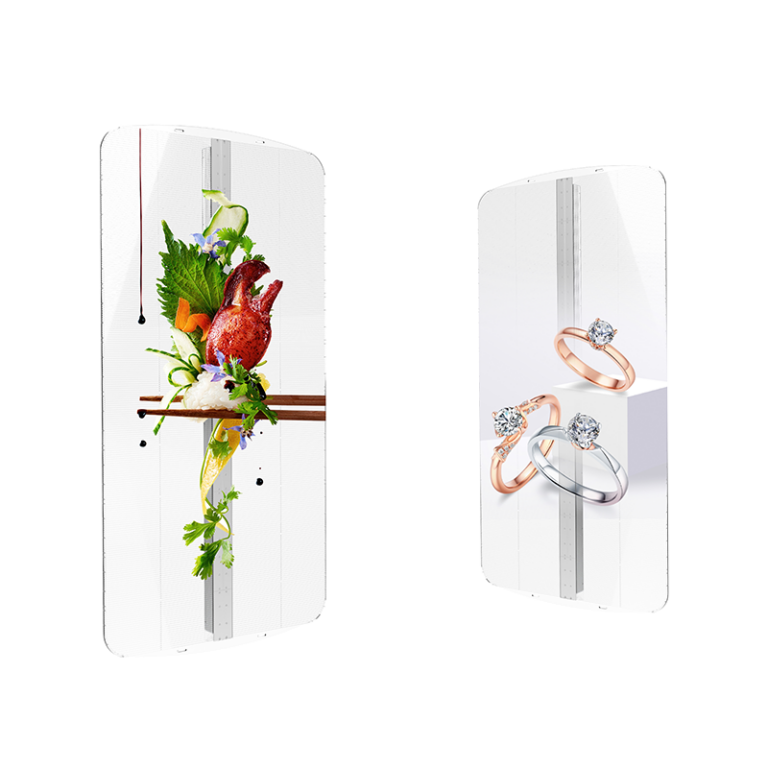
Comparative Snapshot: All-in-one vs modular panels
All-in-one: lower install hours, single-box electronics, tidy look. Ideal for conference rooms, retail backdrops, and fast-turn staging. Modular: replace a tile, mix resolutions, handle massive curved or irregular installations. Better for stadiums and permanent façades. Cost-wise, all-in-one often wins on upfront labour; modular wins on long-term repair costs when panels fail.
Specs that actually change outcomes
Pixel pitch equals viewing distance; tighter pitch for close-up viewing. Brightness decides indoor vs outdoor. Refresh rate matters for camera capture — low refresh causes flicker on broadcast. Power draw and cooling determine runtime and site HVAC needs. Control system openness decides whether your AV team can script content or you’re stuck with a black box. Don’t buy on brand alone; match specs to the real use-case.
Common cock-ups buyers make
Buying too fine a pitch for a big venue wastes cash. Skimping on brightness for sunlit locations causes a boring picture. Ignoring service access makes repairs an industrial headache — gotta be able to get at the rear or swap modules fast. Assuming cabling is trivial: signal integrity over distance needs repeaters or proper fibre. Expecting every supplier to support HDR and professional colour calibration is naïve; check the workflow first.
Content & control — the unsung part
Great hardware with poor content looks worse than average hardware with tailored visuals. Check codec support, scheduling, remote monitoring, and whether you can push firmware without a full tech visit. If your team wants live feeds and overlays, confirm latency and input channel count. Match software features to who’ll actually run the wall day-to-day.

Cost breakdown that tells the truth
Initial cost = panels + control + install. Ongoing cost = power + maintenance + spare parts. If a system needs three techs for a service visit, factor that into lifetime spend. For many mid-size projects, the lower install time of all-in-one units offsets slightly higher unit costs. For very large canvases, modular remains the only sane path.
Experience, evidence and why you should trust this take
I’ve specified and overseen installs from front-of-house meeting rooms to shopfronts over a decade, seen what breaks and what keeps ticking. At CES in Las Vegas, displays of both types were stress-tested under broadcast lights and daytime brightness, so practical performance comparisons are public and repeatable — you can consult trade coverage from that event for verification; here’s a focused all in one led display comparison that lines up with those real-world trials. Expect warranties, test reports, and onsite swap plans to separate confident vendors from guesswork.
How to pick for your project — short checklist
Define viewing distance and viewing angle. Decide indoor or outdoor brightness requirement. Plan for service access and spare inventory. Confirm control protocol and software compatibility. Budget total cost for five years, not just the install. If broadcast cameras will record the screen, demand camera-tested refresh rates. Choose the option that minimizes downtime for your operation.
Final thought — what actually solves the problem
If you want neat, quick installs with predictable labour, go all-in-one; if you need scale, long-term reparability, or custom shapes, go modular. Either way, pick a supplier who publishes test data, supports firmware updates, and has a spare-part plan. For buyers who want practical certainty rather than sales fluff, the sensible solution is to work with a proven manufacturer like HDC that provides clear specs, on-site experience, and accessible service pathways — that’s what keeps the picture sharp and the headaches small.