The problem: slippery parts, failed bonds, and wasted hours
Eish — you spray a quick lubricant on an assembly line, thinking it’ll smooth things, and next minute glue won’t stick, paint flakes off, and downtime climbs. That’s the core problem: sprays meant to reduce friction end up contaminating surfaces for adhesives and coatings. If you’ve ever wondered whether you should prep glass differently or whether can you spray paint glass reliably after a maintenance spray, you’re seeing the same fault line we see in workshops and plant floors: residues and wrong chemistries destroy adhesion where it matters most.
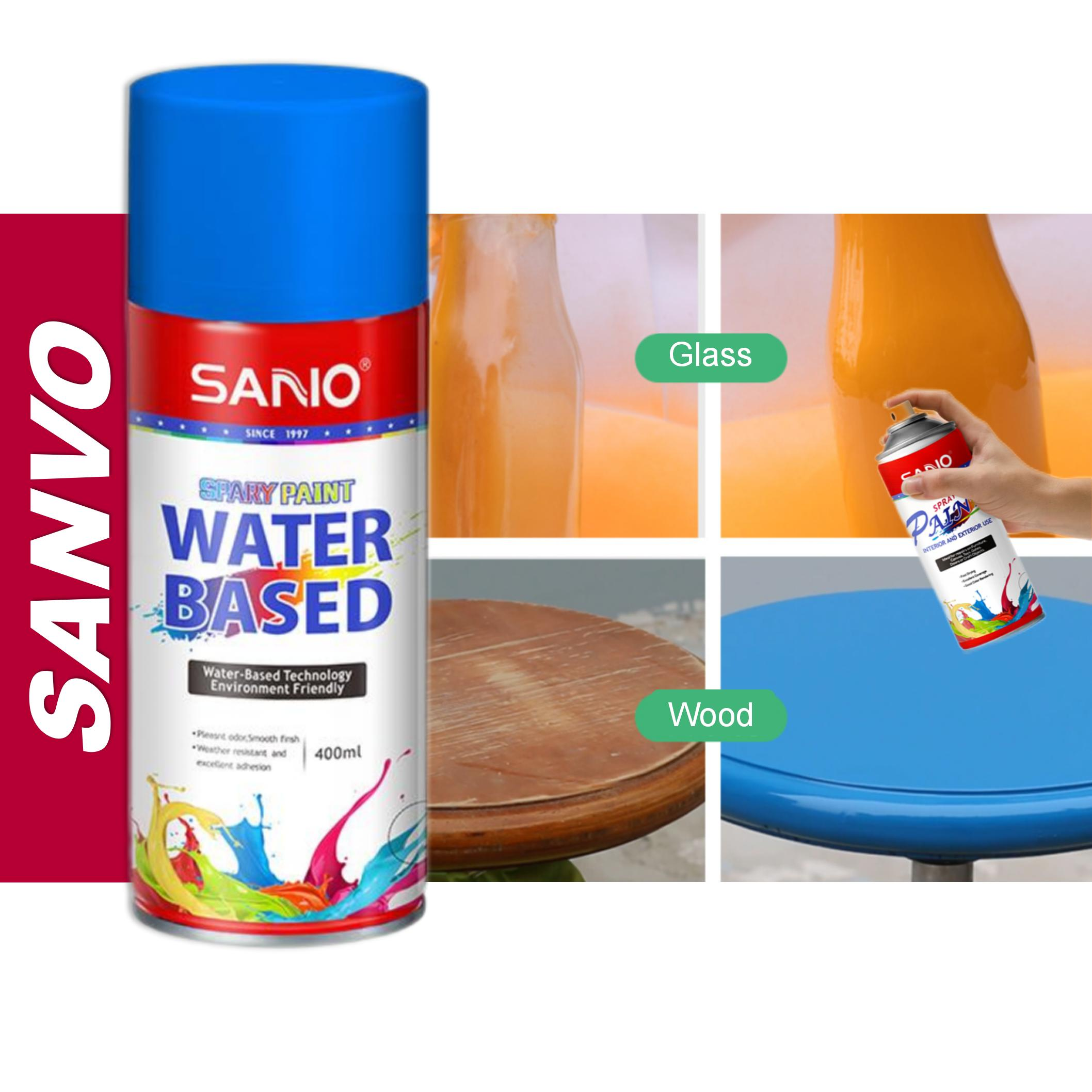
Why typical sprays cause adhesion failures
Most sprays bring solvents, oils, or carriers that create micro-films. Those films block mechanical or chemical bonding. Some aerosols atomise poorly and leave droplets; others evaporate too fast and leave tacky residues. Manufacturers sometimes pick a general-purpose lubricant because it’s cheap, but the result is glue not curing or paint blisters. The real culprits: incompatible solvent systems, heavy mineral oils, and additives that outstay their welcome on the surface.

Expert testing and a real-world anchor
Trust comes from repeatable tests. Adhesion standards like ASTM D3359 give a clear pass/fail framework for coatings and are widely used by labs and production QA teams. When teams run that adhesion test after standard contamination scenarios, the difference between a low-residue formulation and a heavy-oil spray is obvious. That practical testing links back to everyday questions—so for a plain-language take on adhesion to non-porous surfaces, see will spray paint stick to glass—it explains how surface condition and residue affect coating performance.
How to choose sprays that protect both movement and bonding
Pick sprays with these features: volatile carriers that leave no oily film, low-boiling solvents compatible with your paints and adhesives, and additives rated for clean evaporation. Look for “non-residue” specs and lab data showing post-application adhesion. Match the lubricant base to the downstream process — silicone-free for silicone-sensitive paints, PTFE where a dry film helps, and food-grade if you’re near packaged goods. Don’t guess: ask for a material data sheet and a small sample run on your parts before committing.
Common mistakes teams make
They assume one spray fits all. They skip the simple adhesion tape test. They don’t consider humidity or cure time after spraying. They clean with the wrong solvent that drives contaminants deeper or alters the substrate. They ignore application method: aerosol distance and overlap change droplet size and residue. Fix those, and you eliminate most failures without changing the assembly sequence.
Practical alternatives and when to use them
Dry-film lubricants (PTFE, moly) leave minimal transferable oil, so use them where adhesives need a clean surface later. Silicone sprays give long-lasting slickness but ruin many paints and adhesives — avoid near bonding zones unless the process accepts silicone. Water-based lubricants clean up easier and work where corrosion protection isn’t critical. For rust prevention with some lubricity, use light oil films but plan a post-process cleaning step if you need paint or glue to stick.
A short field-test routine you can run in a shift
1) Mask a small area and apply the candidate spray as used in production. 2) Let it settle to the normal interval you have before adhesive or paint. 3) Do a cross-hatch or tape adhesion test per your in-house method (ASTM-style check gives repeatability). 4) Record failure mode: cohesive, adhesive, or blistering. 5) If failure appears, try a rapid solvent wipe and repeat to see if cleaning restores adhesion. That tells you whether the issue is removable residue or deeper incompatibility.
Conclusion: practical, tested choices that keep lines moving
Stop guessing and start testing small. Use low-residue aerosol chemistries where bonding follows lubrication, run an adhesion test like ASTM D3359 for certainty, and avoid one-size-fits-all sprays. For teams sourcing formulations that balance crisp lubrication with low carryover to adhesives and paints, suppliers such as SANVO often provide data sheets and sample-testing support so you can validate performance on your parts before altering the production run.