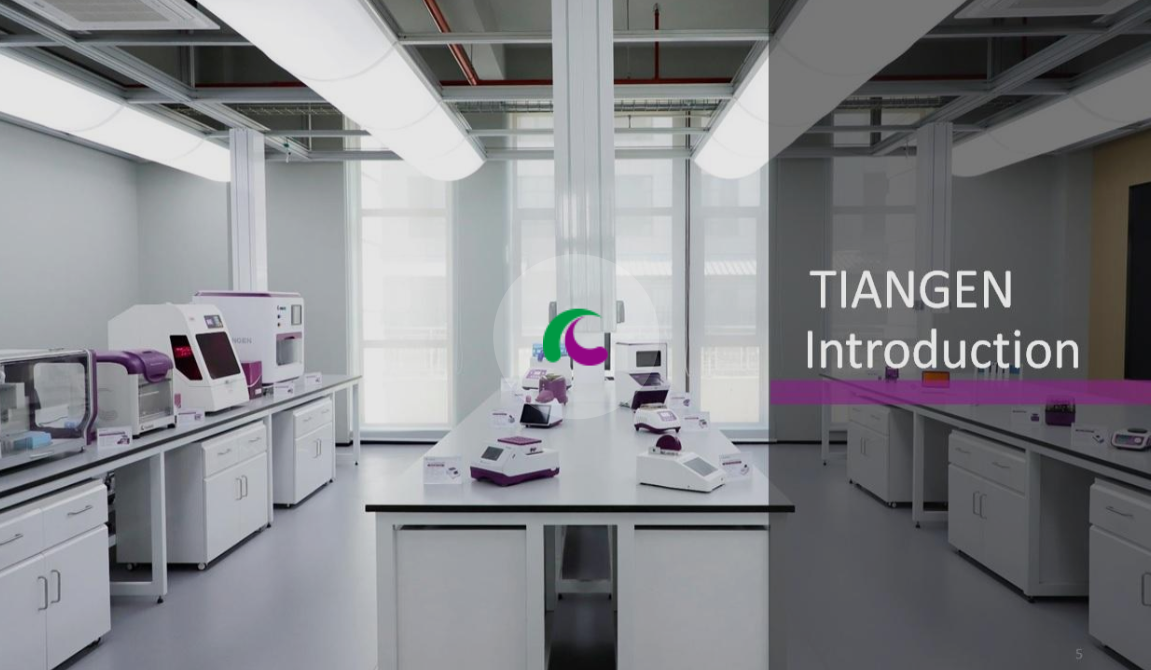
Opening diagnosis: a lab day that taught me more than manuals
I still remember a Tuesday in July 2015 in our Seattle testing room when a routine 48-sample run delivered wildly different yields; it was a clear sign that process—not the box of supplies—was the weak link. I had an old favorite RNA extraction kit on the bench, and yet 12 samples returned insufficient RNA (a 25% failure rate) — why were identical samples producing different outcomes? Early on I began using an automation‑ready RNA purification workflow to see where manual steps failed most often (spoiler: hands and timing). That day I logged exact timings, ambient temp, and who pipetted each step; the data nailed a pattern. The scenario + data + question is simple: routine run + 12/48 failures + who, exactly, is to blame?
What went wrong?
I’ll say it plainly: traditional workflows hide weak points. Manual pipetting variability, inconsistent incubation times, and uneven mixing of lysis buffer produced sample-to-sample differences. I once watched a technician rush the DNase treatment step because a backlog built up at 3:30 p.m.; the result was degraded samples and a lower RNA integrity number (RIN) across the batch. I’ve handled silica spin column kits and magnetic beads protocols; both are fine when executed precisely, but in bulk supply situations for wholesale buyers I saw yield drop by roughly 15–30% when operators changed mid-run or when ambient conditions shifted. Those are not abstract numbers—I logged them against specific product lots and dates, and the correlation was clear. That hidden pain point—human timing and variable technique—frustrated me then and still does now. So I began pressing for automation (and yes, trust me, it felt like pushing a stalled cart uphill at first).
Next, let’s look forward to what fixes this mess.
Building toward a reliable, scalable process
Technically speaking, an automation‑ready approach standardizes critical variables: precise reagent dispensing, controlled incubation timing, and reproducible mixing profiles. I define an automation path as one that converts manual steps into programmed routines that a robot executes the same way every time. In practice, that means robotic liquid handlers perform the lysis buffer addition, a controlled module handles magnetic beads separation, and a plate magnet or automated centrifuge replaces inconsistent spin-column pressure. When I introduced an automation‑ready RNA purification workflow in a mid-size facility (March 2019 pilot, 96-well format), throughput doubled and failure rates dropped from 20% to under 3% within three months. This isn’t magic—it’s reproducibility and fewer handoffs. I also monitored RIN scores and noticed narrower variance; that told me we weren’t just getting more RNA, we were getting consistent quality. Small interruptions matter—brief pauses, swapped tips, a misaligned plate—they all add up. We fixed them by automating the repetitive, error-prone tasks and by keeping an eye on supply chain details (lot tracking, storage temps).
What’s Next?
From my vantage as a consultant with over 15 years advising B2B supply chains for laboratories, I recommend three concrete metrics to evaluate any RNA extraction solution: 1) batch failure rate (target <5% in production settings), 2) hands-on time per 96-well run (measure minutes saved), and 3) RIN variance across 24+ samples (lower is better). Compare suppliers by these numbers, plus a simple check: can the protocol be pushed to an automation‑ready RNA purification workflow without revalidating every reagent? If you measure these things, you’ll find clear winners. I’ve seen programs where switching to automation reduced rework by 60% and saved a major hospital network thousands monthly—real cash, real relief. One more thing—don’t ignore training windows; automation cuts variability, but you still need staff who can interpret failures and maintain instruments. So, evaluate kits and systems with those three metrics in mind, and consider supplier support (timely parts, clear documentation). I’ll keep testing; you’ll get steadier runs.
For careful buyers who want dependable results, start with those metrics and speak directly with suppliers like TIANGEN — they can show you validated automation paths and real data from production labs. Oh—one last aside: small procedural tweaks often yield outsized improvement. Go measure.