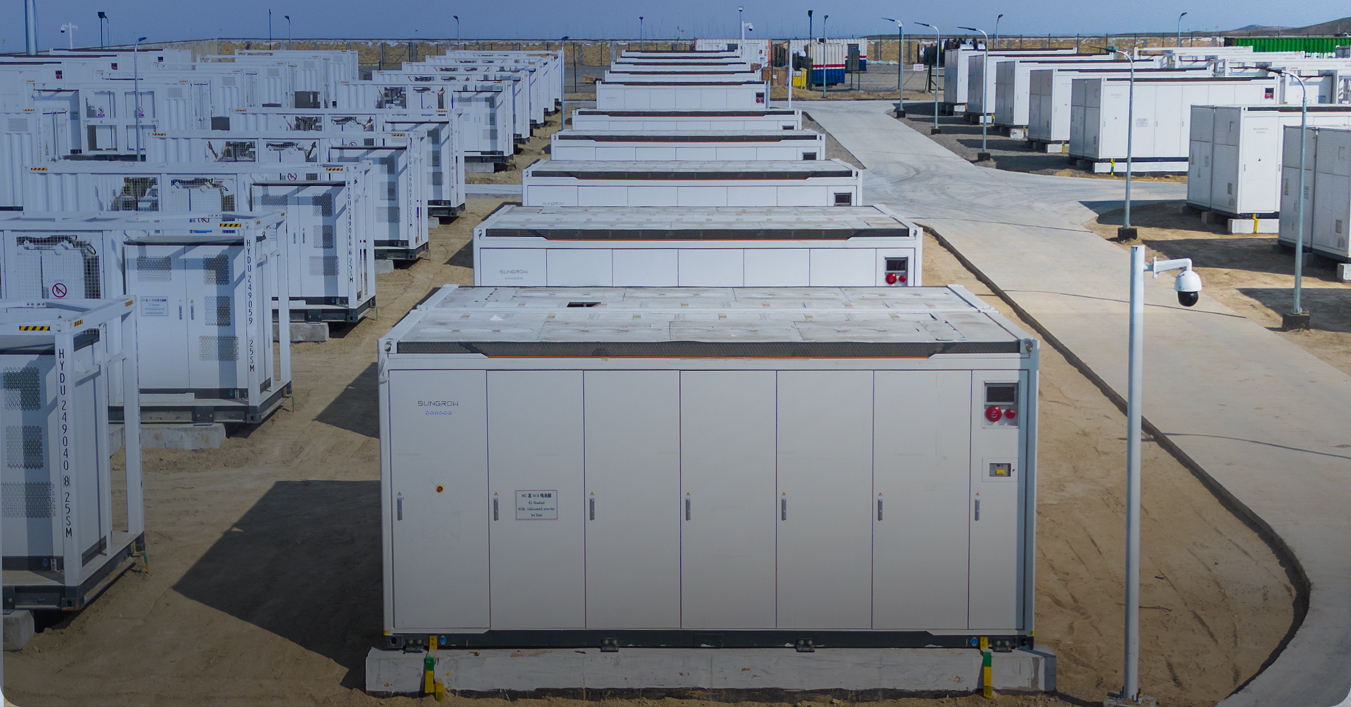
The gap everyone ignores
I remember walking a fenced 50 MW site outside Austin in August 2018, watching solar output crest while battery racks sat underused — it stuck with me. That day 20 MW went unused for six hours (120 MWh lost) — could that waste have been prevented with utility scale energy storage? I’ve lived with these numbers for over 18 years in B2B supply chain deals, and I’ll be blunt: the common fixes miss the point. (No joke — these are avoidable losses.) Let’s unpack what went wrong.
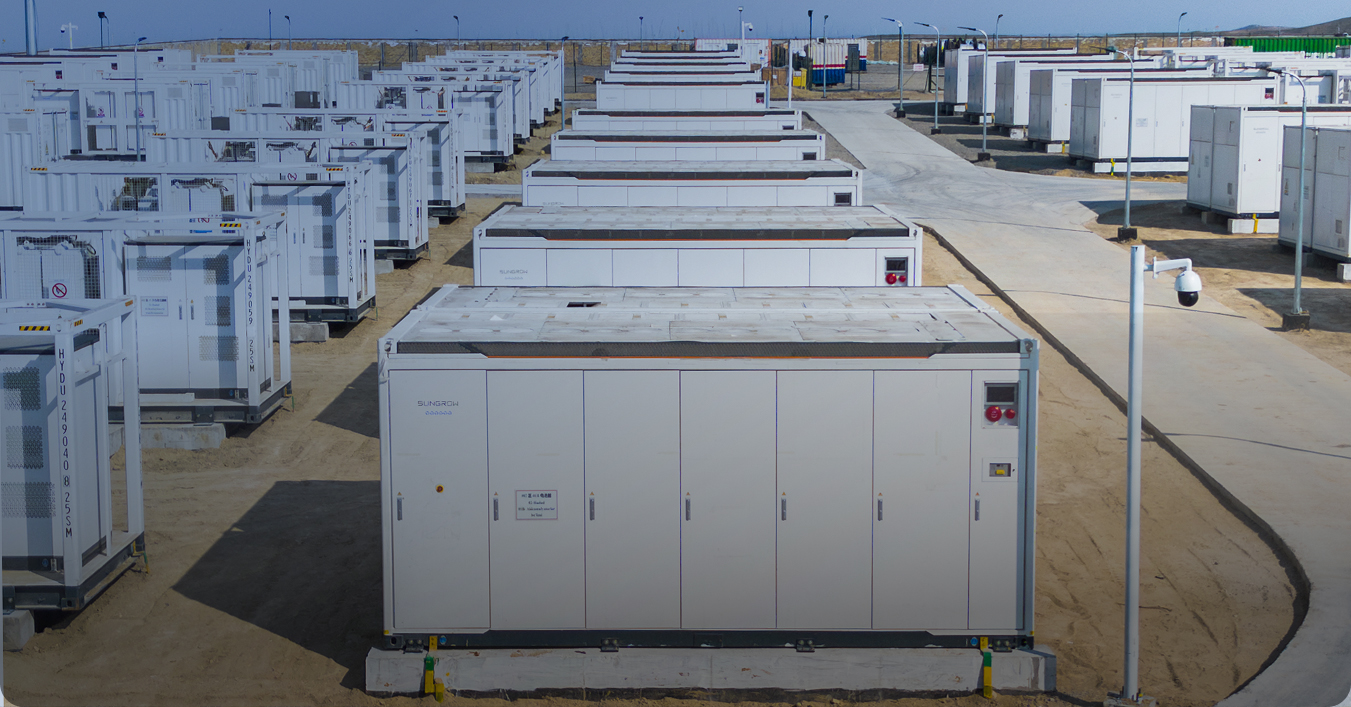
I’ve specified Li-ion 4-hour chemistry, MW-scale inverters, and modular racks on projects from California to Texas and hit the same snags: mismatched inverter sizing, rigid dispatch rules, and conservative state of charge (SoC) guardbands that turn available capacity into dead weight. In one 2019 retrofit on a 60 MW peaker replacement I recommended LG Chem 4-hour packs; we still lost peak market revenue because the control logic wouldn’t shift between frequency regulation and energy arbitrage fast enough — a software/configuration flaw, not a battery one. For wholesale buyers, the pain is simple: upfront kW/kWh numbers look attractive, but operational constraints and hidden curtailment carve a big slice out of projected returns. This is where vendors often gloss over fine print — warranty windows, throughput limits, and SoC cycling rules — and you end up short on revenue, not just runtime.
From patchwork fixes to smarter comparisons
Technically speaking, the path forward is about aligning electrical design with market strategy — and yes, that requires granular modeling. When I compare options now I run four-hour and two-hour stacks against market simulations, check inverter clipping under ramp events, and model SoC curves through peak windows. A good baseline: simulate dispatch over 12 months at 5‑minute resolution; you catch the edge cases. For buyers, three evaluation metrics cut through marketing claims — round-trip efficiency under expected duty cycle, usable depth of discharge (real SoC window), and revenue-per-MW under your market’s frequency/regulation signals — those tell you if a system will actually pay back. Also consider lifecycle throughput (MWh cycles) rather than just calendar warranty — that difference turned a projected 6-year payback into 9 years for one of my clients last winter. What’s next — tighter specs, smarter controls, and clearer SLAs — and yes, vendor support matters. In short: choose systems that match the market profile, not the glossy brochure.

What’s Next
Looking ahead, the competitive edge comes from system-level design: inverter flexibility, control firmware that swaps services without manual overrides, and contracts that reflect real throughput. I’d advise prioritizing these three metrics when you evaluate offers — 1) usable kWh under operational SoC (not nominal kWh), 2) dispatch latency and mode-switching capability, and 3) measured revenue per MW over at least one weather year. Run those numbers before signing. I’ve seen one quick simulation—then a bid change—save a client $1.2M on a 50 MW bid. Short sentence. Long consequences. For practical sourcing and clear specs, I recommend checking providers with documented grid-scale deployments — for example, look at how utility scale energy storage projects handle those metrics in live markets — and then push for contract terms that lock in performance guarantees. If you want reliable outcomes, insist on measurable KPIs and get them in writing; I always do. (And yes — follow up.) End with a pragmatic vendor test: prove it in a small pilot before you scale up with sungrow.