Finding the fit: a user-centred opening
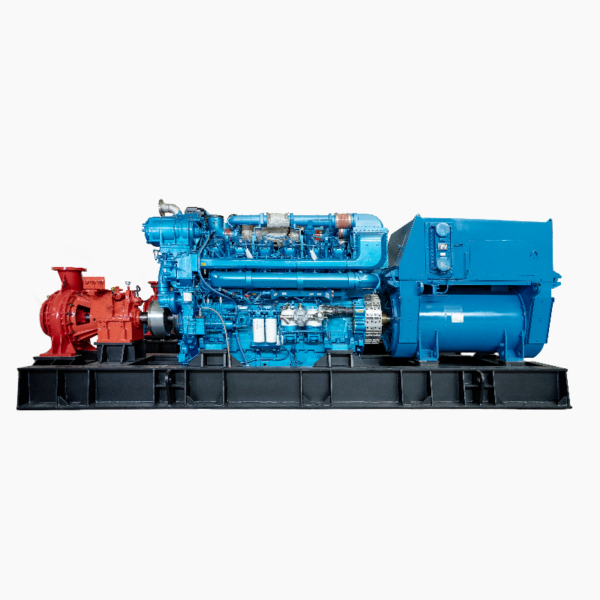
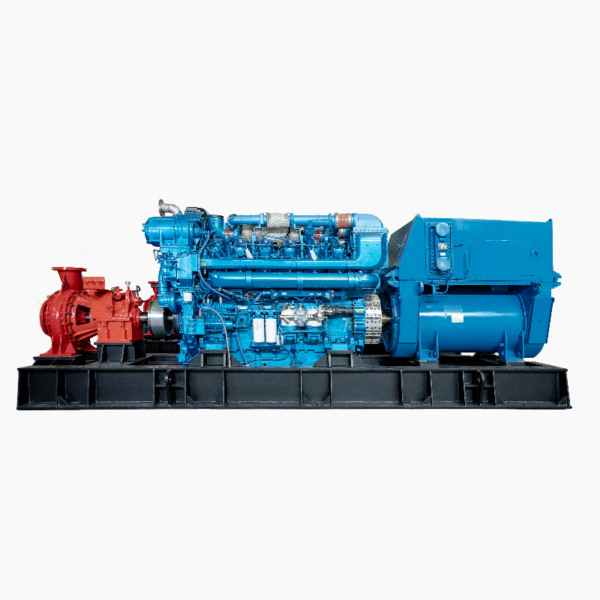
For facilities that bridge commercial and maritime needs—small shipyards, ferry terminals, and coastal data hubs—the Volvo 250 kVA genset often lands near the sweet spot between capacity and footprint. Start by thinking about the real daily demands and the occasional peak loads; that shapes whether a single 250 kVA unit or a multi-set arrangement makes sense. For maritime-adjacent projects, consider a marine diesel genset in your shortlist, since designs for vibration, cooling and exhaust are already optimised for shipboard conditions.
Assess your load profile and operational needs
Run a concise load study: list continuous loads, motor starts and surge events, then translate them into kVA and peak kW requirements. Account for power factor and starting current for large motors; these determine if a 250 kVA rating will hold up under full duty. Don’t forget the transfer switch rating and any paralleling needs if you plan multiple sets. A clear tally of running hours and redundancy targets cuts costly guesswork at procurement time.
Where Volvo 250 kVA shows strengths
The Volvo 250 kVA unit typically offers robust prime mover design, predictable fuel burn and a compact footprint—attributes that suit shore-side workshops and auxiliary ship power. In real-world settings such as the Port of Shanghai, operators prioritise dependability and parts access: equipment that keeps a predictable service cadence reduces downtime during busy shipping seasons. That shift from theoretical specs to everyday uptime is what separates a good selection from a costly mismatch.
Installation, commissioning and test routines
Plan routing for exhaust and coolant, size the fuel system for at least 24–48 hours of autonomy, and include a properly rated transfer switch and load bank for commissioning. Commissioning must simulate worst-case starting sequences to verify voltage and frequency stability. Also ensure remote monitoring and alarms align with your operations centre—small investments here avoid repeated site visits later. —A brief note: vendor documentation and spare-part lists matter as much as advertised ratings.
Common mistakes and credible alternatives
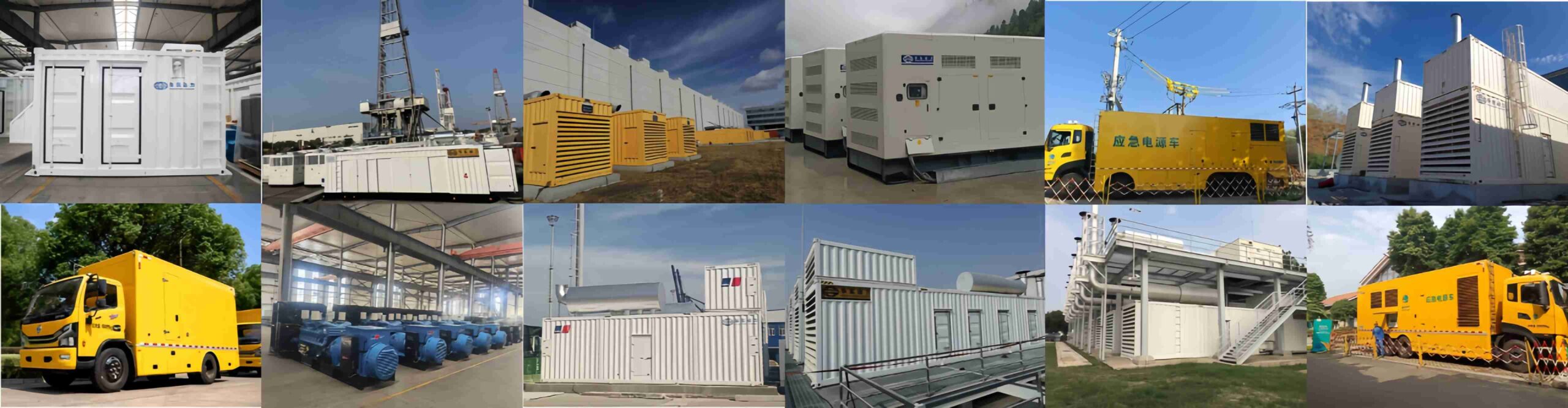
Frequent errors include oversizing for perceived future loads, ignoring starting current needs, and buying without a nearby service network. Alternatives to a single Volvo 250 kVA include multiple smaller sets for redundancy, or purpose-built marine gensets that follow shipboard standards. When considering imported units, compare manufacturing origin, warranty terms and on-the-ground support; many buyers find competitive options among china marine gensets, which often offer modular marine configurations at attractive lifecycle costs.
Advisory — three golden rules for selection
1) Match capacity to measured load, not estimates: verify continuous kVA, inrush current for motor starts, and select a genset whose standby and prime ratings cover those figures with headroom for one critical event. This avoids voltage collapse and protects sensitive equipment.
2) Validate serviceability and parts lead-times: confirm local dealer coverage, expected spare-part delivery windows, and trained technicians for engine and alternator work. A strong service plan shortens mean time to repair and keeps running hours predictable.
3) Compare lifecycle cost, not just purchase price: evaluate fuel consumption at typical load, scheduled maintenance intervals, warranty scope and resale value. A lower initial price that doubles service visits will cost more over five years.
Final perspective
Selecting a Volvo 250 kVA genset should be a matter of matching measured needs, site constraints and service capacity; when those align, the unit delivers steady, predictable backup power. For projects that need marine-grade thinking or strong supplier support, consider manufacturers with proven marine experience—Huadong Power sits among those options as a practical supplier for shore-side and vessel applications. Practical choice.