Introduction — why this matters now
Have you ever wondered why some factories still drain energy while others run smooth and quiet? I ask because I see the same pattern in small plants and big facilities. An electric motor sits at the heart of almost every machine, and small changes there can cut a facility’s energy use by 10–30% (real measured data from field surveys I read last year). The scenario is familiar: a line full of aging drives, a manager looking at monthly bills, and a team asking, “Where do we start?”
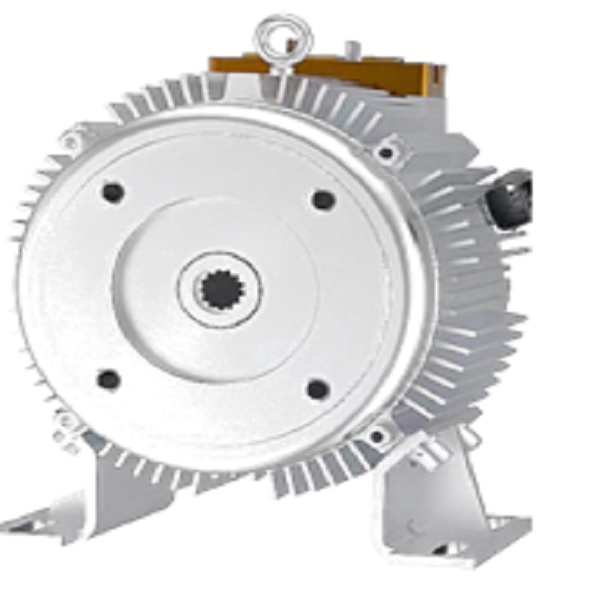
Let me be blunt — the motor often gets blamed last, but it is the place where improvements compound. I work with engineers who track current, torque, and temperature. They tell me that even a modest drop in losses pays back fast. So what specific choices actually change outcomes, not just theory?
We will compare practical options, show clear trade-offs, and point toward decisions you can test quickly — next we dig into a common modern motor type and why old fixes fail.
Part 2 — Where typical fixes fall short (technical look at the pmsm motor)
pmsm motor is often recommended as a high-efficiency option, and I agree it has strong potential. But let me explain why many real-world installs do not get the promised gains. First, installers use generic inverter settings that ignore motor nameplate and load profile. Second, maintenance budgets focus on belts and bearings, not on optimizing control algorithms like field-oriented control. Field-oriented control and inverter tuning matter because they directly influence torque ripple and thermal losses.
Look, it’s simpler than you think — a mis-tuned inverter can create extra heat and back-EMF issues that shorten motor life. I’ve seen systems where replacing the motor with a newer pmsm motor did nothing because the drive still used fixed V/f control. That mismatch reduces the efficiency edge. Also, many teams fail to measure real load cycles. They estimate load from peak power, not duty cycle. The result: oversized motors running at low efficiency for long hours. In short, hardware alone is not the cure; you need control, measurement, and right-sizing together.
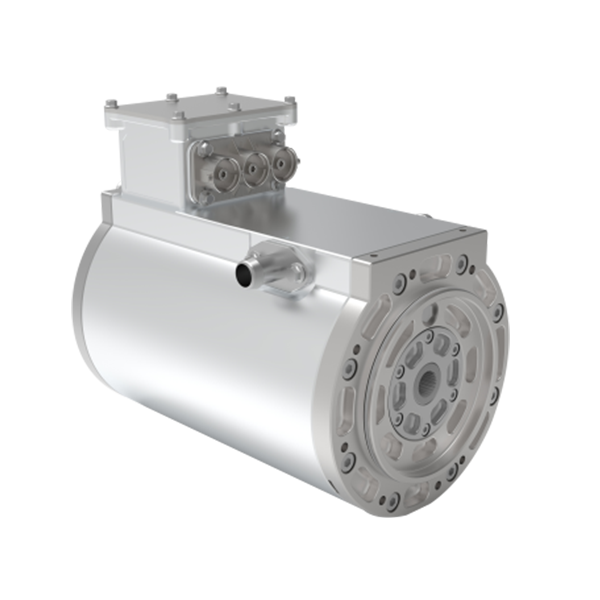
Why do these flaws persist?
Mostly because fixes need more than one team — controls, operations, and maintenance must align. I have advised plants where a single calibration session improved efficiency by several percent. Small step, big impact.
Part 3 — Future outlook: practical steps and what to expect
Looking ahead, I see two trends that will reshape choices for electric motors: smarter drives with adaptive control, and better telemetry so teams can tune in real time. Adaptive control reduces the tuning burden by adjusting flux and torque setpoints as load changes. Telemetry — via simple sensors and edge computing nodes — feeds dashboards that show duty cycles and thermal stress. Together they let you move from reactive fixes to predictive tuning.
What’s more, manufacturers are making motors with lower iron losses and better rotor designs. Pair those with updated power converters and you get a compound benefit: lower running losses and smoother torque delivery. I am optimistic — but cautious. New tech needs proper commissioning. If you skip that step, gains stay on paper — funny how that works, right?
What’s Next — how to evaluate options
I recommend three practical evaluation metrics you can use right away: 1) Measured system efficiency over a full duty cycle (not just peak), 2) Total cost of ownership over 3–5 years including energy and maintenance, and 3) Control maturity — whether your drives support field-oriented control and adaptive tuning. Use these to compare retrofits, inverter upgrades, or a straight motor replacement.
We should be honest: no single part fixes everything. But when you combine a well-tuned electric motors strategy with smarter drives and real data, the savings add up fast. I’ve seen it in the field, and I still get a small thrill when a site finally hits its target — yes, I care about that. For practical support and product options, check Santroll: Santroll.