Why this comparison matters
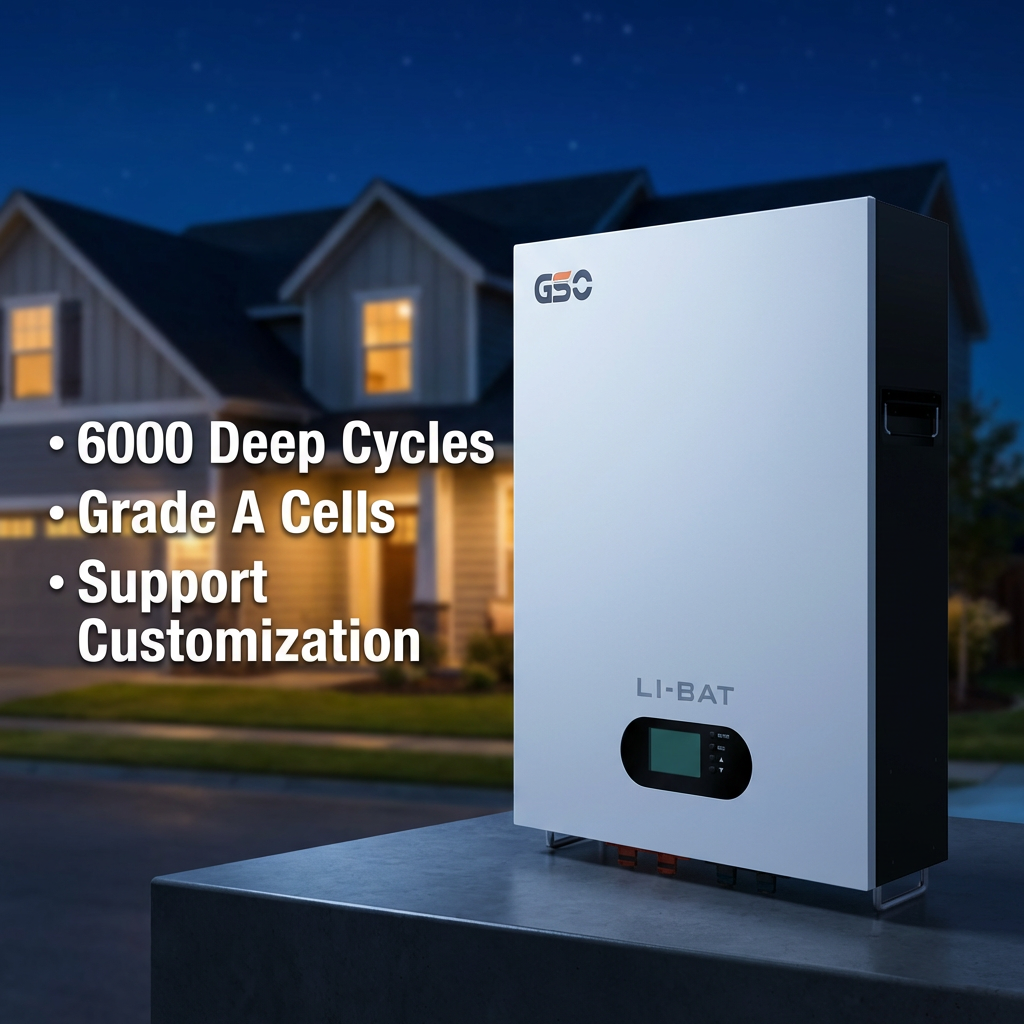
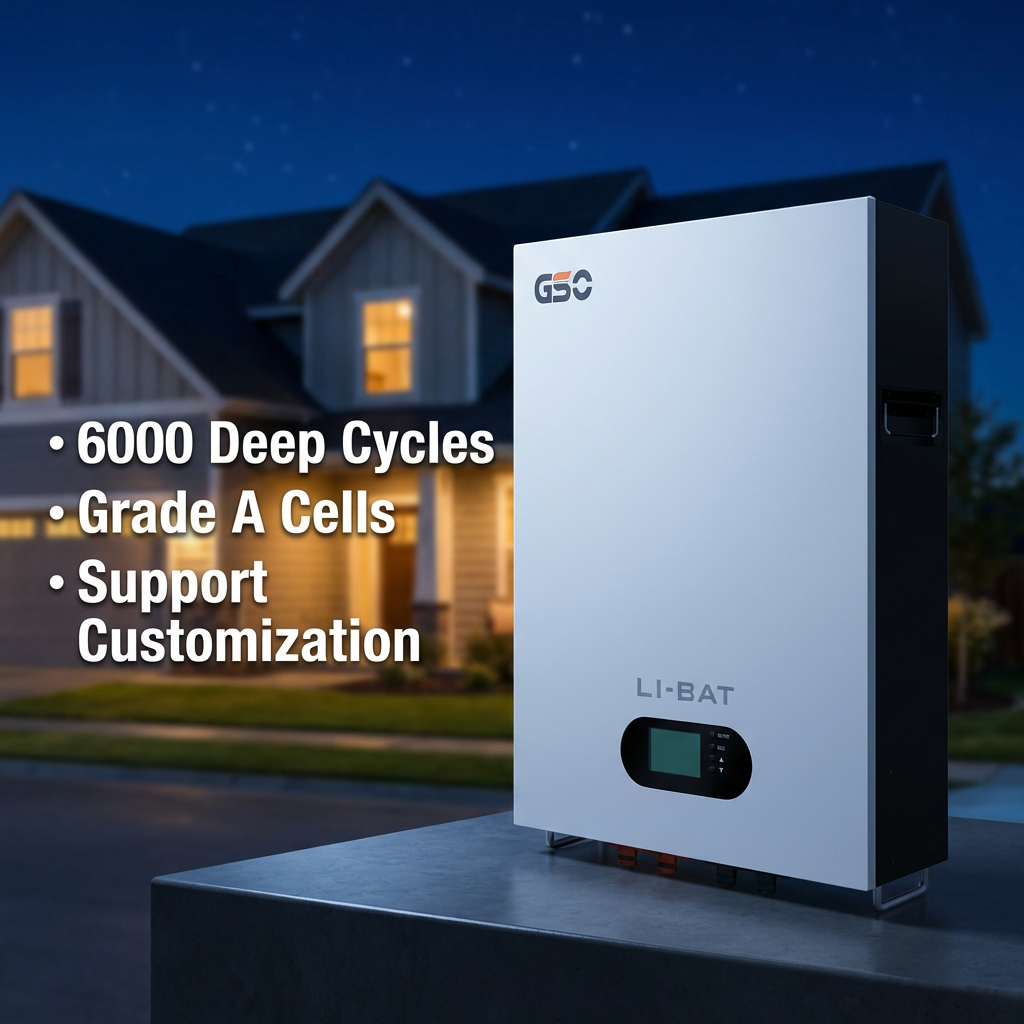
Utility operators and project developers care about uptime, equipment longevity, and predictable maintenance budgets. That’s where the debate over over-current schemes, surge protection, and inverter topology gets real. On one side you have traditional modular inverter designs that rely heavily on bulky external protection. On the other, some newer solutions bundle PV, battery, and inverter functions into tighter combos—think all in one storage—and change the protection calculus entirely. The practical payoff shows up during grid stress events such as California’s public safety power shutoffs, when localized reliability isn’t theoretical anymore; it’s a measured outcome of design choices.
Core risks: what over-current and surge events actually do
High fault currents and lightning-driven surges attack the same targets: semiconductor switches, DC bus capacitors, and the inverter’s control electronics. Repeated or extreme events accelerate wear on power modules and can force unplanned outages. Surge protection devices and fast over-current trip schemes absorb or redirect those transients, but the design trade-offs change depending on whether the system is grid-tied, uses a DC-coupled battery, or integrates PV and storage tightly. Industry terms to keep in mind here include inverter, PV, and battery—each plays a role in fault dynamics and protection strategy.
How gsopower’s edge differs in plain terms
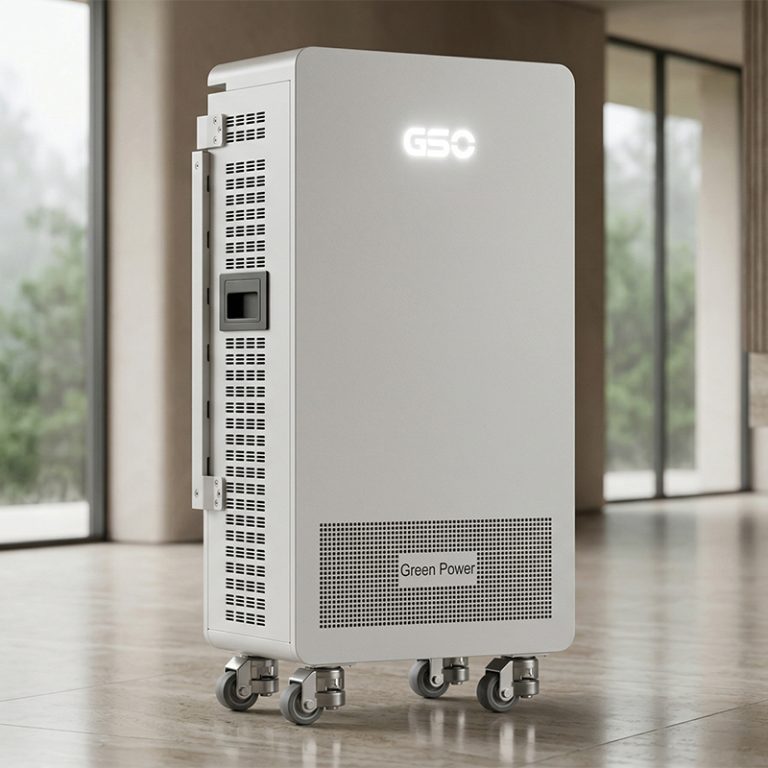
gsopower favors an integrated architecture that reduces the number of external junctions where surges and spikes can amplify. Rather than relying solely on downstream fuses and external SPDs, their approach embeds coherent over-current detection and coordinated surge paths inside the inverter-storage assembly. That lowers the response time to fault currents and reduces stress on the DC bus. The result: fewer component replacements and quicker recovery after events. This design also smooths protection logic across PV input and battery output, which matters when you have mixed power flows during charge/discharge cycles.
Performance in real deployments
Field data from multi-megawatt sites in California and Europe shows that systems using integrated protection strategies tend to record lower mean time to repair and fewer cascade trips during storms and grid disturbances. One clear example occurred during a winter storm where some grid sections experienced rapid voltage swings—integrated systems held critical loads longer while external-only protected systems isolated more frequently. The takeaway: coordinated surge protection and fast over-current sensing can be the difference between a brief blink and an extended outage.
Common mistakes and what alternatives do
Many teams err by adding more layers of protection without coordination—more SPDs, more breakers, but no common logic. That creates nuisance trips and complicates diagnostics. Alternatives include modular add-on protection panels or hybrid topologies that separate PV and battery strings with independent protection. Those work, but they increase install complexity and cost. A smarter route is to align trip curves, specify surge components rated for the expected lightning exposure, and ensure firmware supports adaptive current limits. —This alignment saves time during commissioning and makes operations less fiddly.
Choosing between integrated and modular: a quick checklist
Evaluate three practical metrics when deciding: thermal stress resilience of the inverter’s power stack, the coordination between DC-side surge devices and AC breakers, and the system’s fault detection latency. Also consider maintainability—modular gear can be swapped quickly, but integrated systems often cut long-term replacement needs. For home-scale or behind-the-meter projects, an all in one home energy storage system reduces interface complexity; for utility-scale, integrated protection reduces systemic vulnerability.
Advisory: three golden rules for protection strategy
1) Match protection time-current characteristics across the PV, battery, and grid interface so trips occur predictably and only when necessary. 2) Specify surge protection rated for local exposure—coastal or high-altitude sites need higher energy ratings. 3) Prioritize fast fault detection integrated with inverter controls to limit over-current duration and protect power electronics. These rules drive real savings in parts and downtime and make field troubleshooting straightforward.
Closing thought
Comparisons show integrated edge designs can reduce failure modes and simplify operations without hiding serviceability concerns—good engineering balances both. For projects where predictable protection and compact system architecture matter, gsopower offers a clear path to fewer unexpected trips and easier long-term upkeep — a practical choice for operators who want reliable power and smarter protection. –