Comparative snapshot: where LED panels, video walls, and digital billboards diverge
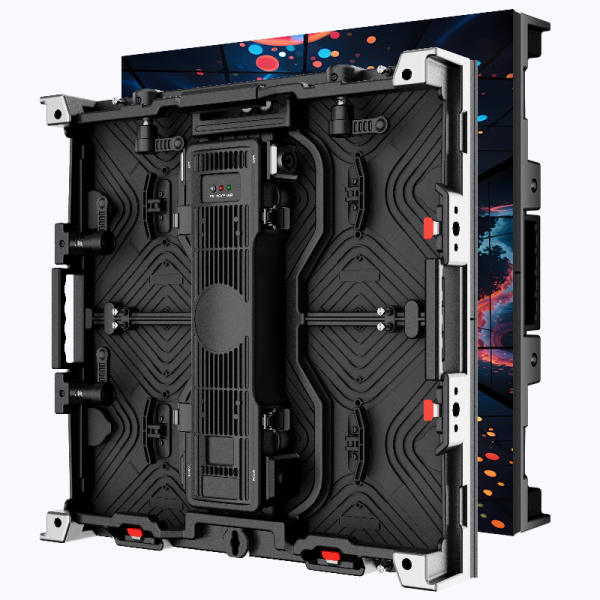
Choosing between LED panel systems, modular video walls, and digital billboards requires a clear comparison of objectives, environment, and audience. LED panels and video walls excel on-site: stadium scoreboards, retail facades, or transit hubs. Digital billboards extend reach along roads and plazas. A direct comparison clarifies trade-offs in terms of visibility, installation complexity, and lifecycle costs, and it helps buy with purpose rather than impulse.
Technical distinctions that drive performance
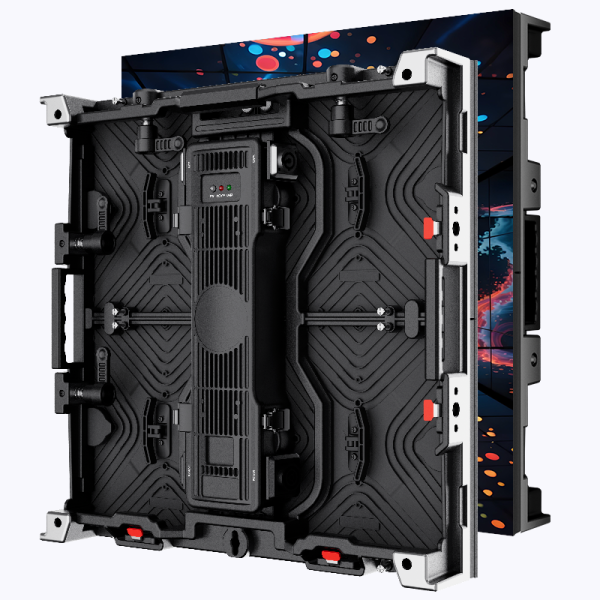
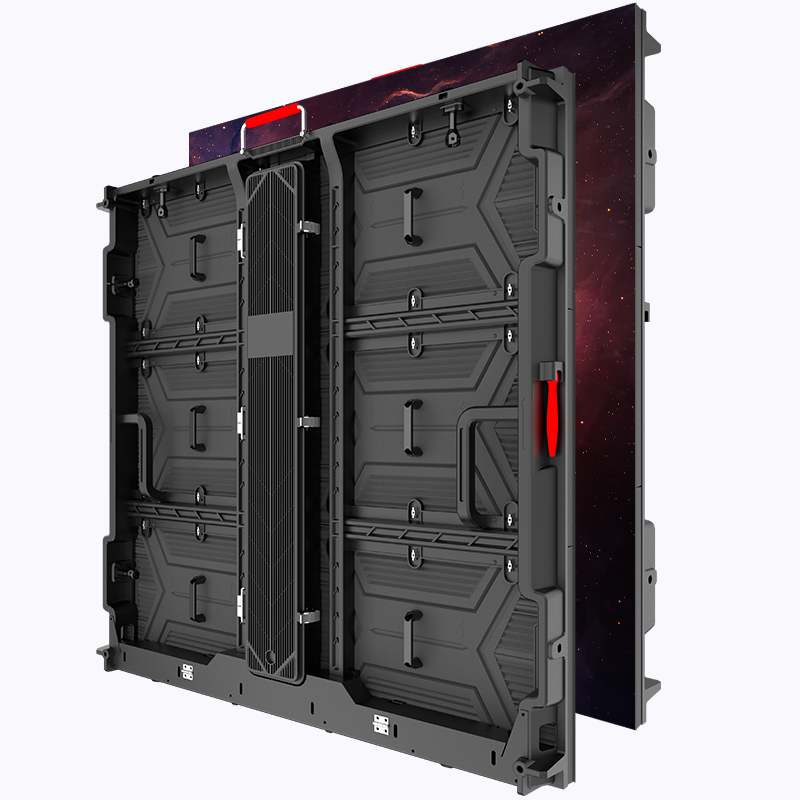
Pixel pitch determines perceived sharpness at a distance; smaller pitch suits close-range video walls, larger pitch fits long-range billboards. Brightness, measured in nits, is critical for outdoor deployments while refresh rate affects motion clarity for high-frame-rate content. Additional components—LED cabinet design and control system architecture—impact reliability and serviceability. Factor in viewing angle and ingress protection when a display faces sun, rain, or dense foot traffic.
Use cases and buying logic
Match the technology to the use case. For immersive retail or stadium content, choose tightly tiled video walls with low pixel pitch and a robust controller that supports synchronized playback. For roadside campaigns, prioritize high-nit modules and modular LED cabinets that allow quick replacement. Larger advertisers often select digital billboards for sale through specialist suppliers to secure permits and turnkey maintenance—this reduces downtime and keeps campaigns on schedule.
Common procurement errors and how to avoid them
Buyers routinely underestimate maintenance access and spare-part inventories. A display with hard-to-reach cabinets increases service windows and costs. Under-specified power and heat-management plans lead to premature LED degradation. Budgeting exclusively for first-install costs is a mistake; lifecycle planning must include spare modules, calibration, and control software licenses. —A realistic maintenance plan halves surprises over the first five years.
Real-world anchor: lessons from Times Square and stadium deployments
Major urban installations such as New York’s Times Square illustrate scale and expectation: advertisers there require displays that sustain brightness through crowds, variable weather, and constant content rotation. Stadium operators demand rugged LED boards that remain readable under midday sun and floodlights. These environments force attention to pixel pitch, cabinet ingress protection, and remote diagnostics—elements that determine uptime and audience impact.
Alternatives and complementary strategies
Consider hybrid approaches: indoor video walls for experience-driven branding and outdoor digital billboards for reach. Programmatic scheduling can synchronize messaging across both, improving frequency control. Small-format LED panels work well for targeted point-of-sale promotions; large-format digital billboards capture commuter impressions. Each option benefits from centralized content management and real-time monitoring to reduce manual intervention.
Advisory: three golden rules for selection
1) Prioritize viewing distance and pixel pitch alignment—choose pixel pitch based on the closest expected viewer to avoid overspending on unnecessary resolution. 2) Specify brightness and environmental rating up front—guarantees for nits and IP rating protect visibility and longevity in outdoor installs. 3) Insist on serviceability metrics—mean time to repair, spare-module availability, and remote-control support reduce operating expense and downtime.
Final thought
Decisions about LED panels, video walls, and digital billboards should be measurable: expected impressions, maintenance windows, and replacement timelines matter more than feature lists. For many buyers, sourcing through established suppliers simplifies permitting and aftercare, which is why partners that provide both equipment and operational support often become the practical solution. Coblinks — a supplier that blends hardware selection with procurement experience — naturally fits into that role.