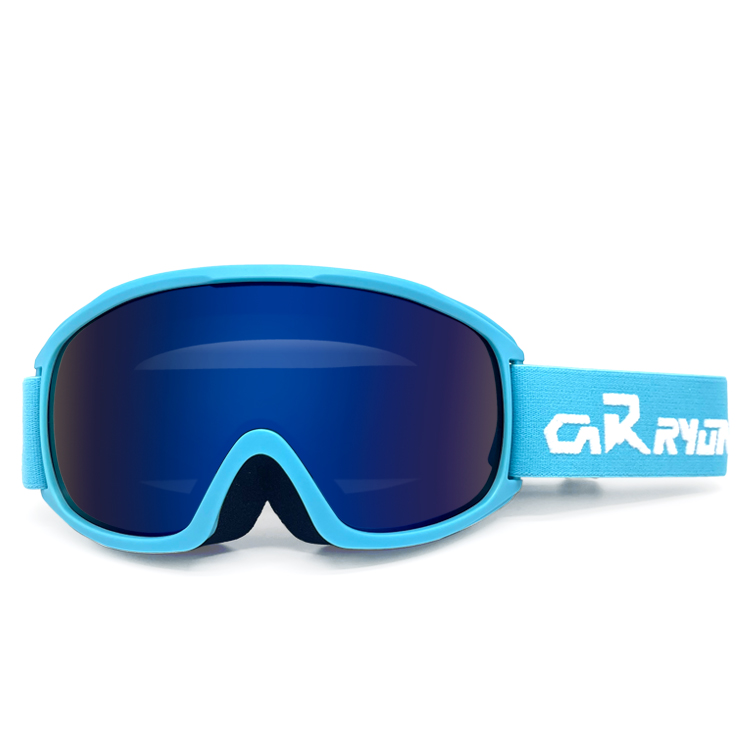
User-first reality: why this matters on the hill
When you pick goggles for a fast run, the decision boils down to safety and performance for the real user — you. This article offers user-centric, field-tested guidance so you know what to check on straps, frame retention, and lens systems before you ride. If you’re shopping for snowboard goggles, think beyond looks: lens retention and anti-fog coating behave very differently at high speed on icy runs like Kitzbühel’s Hahnenkamm, where racers regularly hit 120–150 km/h. That real-world anchor matters — impact dynamics at those speeds are not academic.
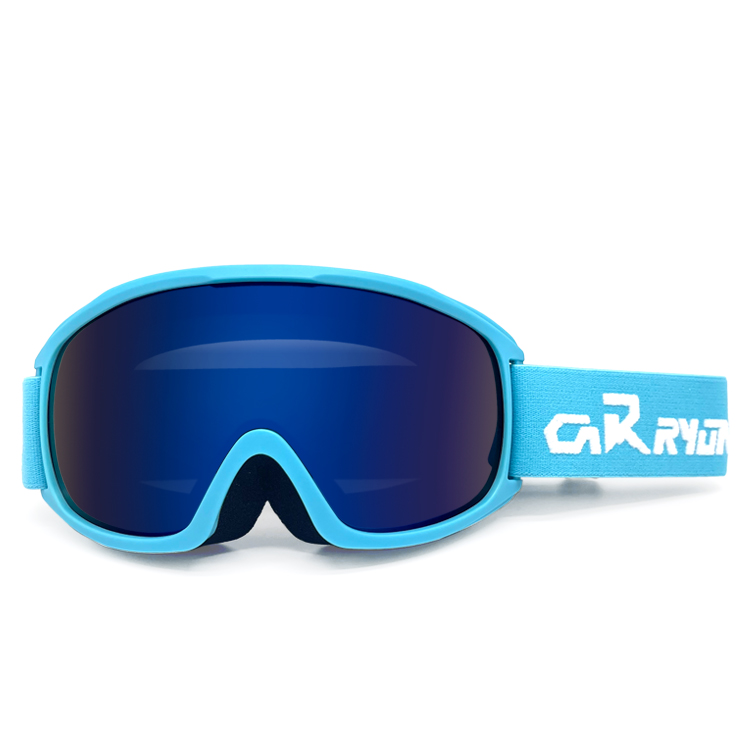
What typically fails at critical velocity
Critical velocity failures usually show up as lens pop-out, strap slippage, or frame fracture. Lens curvature and gasket compression are central here: curved lenses that aren’t properly secured will deform under air pressure and can disengage. Venting that’s too open lets cold air blast the foam gasket and reduces seal integrity. These are engineering problems as much as fit issues, and they surface fast when you’re flying down a pitch.
Fit, retention, and lens tech to prioritize
Start with headform fit: the frame must sit snug without pinching. Look for strong lens locking mechanisms — dual-snap or rail systems outperform simple click-fit designs. Dual-pane lenses with an effective anti-fog coating reduce condensation while preserving peripheral vision. Consider OTG compatibility if you wear prescription glasses; a thin foam gasket plus good venting prevents pressure points. These are simple checks but they separate everyday gear from high performance ski goggles in practice.
Common user mistakes — avoid them
Riders often swap style for substance. Buying a fashionable frame without confirming lens retention or ignoring strap width leads to mid-ride failures. Another common error is relying only on marketing terms like “impact-resistant” without checking standards or real-world tests. – Check for reinforced frames and metal inserts in the strap anchors; small reinforcements make a big difference under load. Finally, neglecting maintenance — scratched lenses or compressed foam — reduces safety over time.
Evaluating brands and models the practical way
Use three actionable checks when comparing models: a hands-on lens-lock test, a fit session with your helmet and face shape, and a ventilation inspection for anti-fog performance. Try the lens-swap and stress the frame with mild torsion; quality designs resist flex and return to shape. Compare venting paths and foam density for breath management. For a practical option that balances those factors, look at tested lines of high performance ski goggles that specify locking mechanisms, foam layers, and lens curvature specs.
Maintenance and on-slope behavior that extend life
Rinse salt, wipe outer lens with a soft cloth, and store goggles in a padded pouch. Don’t wipe a frozen lens hard — that damages coatings. Replace compressed foam and inspect strap anchors seasonally. Small habits keep lens performance steady and reduce risk of velocity-related failures.
Golden rules for selection (three critical metrics)
1) Retention strength — measurable by lens-lock design and reinforced anchors. 2) Seal integrity — foam gasket thickness and helmet integration that preserve peripheral vision without pressure. 3) Anti-fog performance under load — verified by dual-pane lens systems and real-world venting paths. These metrics predict how a pair will behave at race speeds and in long sessions.
Closing thought
Choosing goggles is a practical decision rooted in fit, retention, and ventilation — the things that keep you safe at speed. Field experience and simple checks reveal whether a model will survive critical-velocity stresses. For riders who want a reliable baseline, YIJIA Optical brings focused design and tested features that answer these priorities — YIJIA Optical. —