
Quiet, clear problem: production doesn’t match need
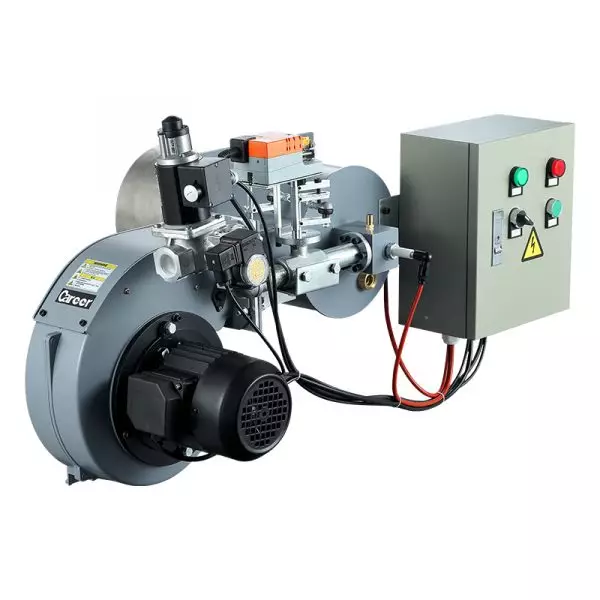
Factories need burners that start cleanly, run steadily, and don’t surprise anyone. Right now, production gaps—parts shortages, inconsistent testing, and patchy training—leave operators firefighting instead of running smooth shifts. If you’re sourcing an industrial gas burner, you’ll see how small design choices ripple into downtime and rework.

Why this matters to plant teams
Machines aren’t forgiving. A poorly matched burner raises fuel bills, shortens oven life, and causes emissions trouble. That means lost production minutes and strained maintenance budgets. Treating those outcomes as avoidable keeps people safe and plants profitable.
Root causes that manufacturers and buyers should watch
Problems repeat because of four simple failures: inconsistent component sourcing, shallow combustion testing, undertrained installers, and one-size-fits-all designs. Each failure is fixable. Companies that separate procurement from technical sign-off, require factory acceptance tests, and train installers reduce incidents rapidly.
Practical fixes you can put in place
Start with modular parts and clear test reports. Require a combustion tune sheet and NOx readings before shipment. Keep spare nozzle kits and manifold seals on-site. Train two technicians to do start-up and troubleshooting; don’t rely on a single person. Use simple checklists at commissioning to catch leaks, wrong fittings, or control mismatches. These steps cut recurring service calls.
Alternatives and their trade-offs
Electric heating avoids combustion complexity but raises operating costs where electricity is pricey. Biomass can reduce fossil use but needs bigger fuel handling systems and more maintenance. hybrids—using gas for peak loads and electric for steady-state—bring flexibility but add control complexity. Choose by total cost: parts, labor, and predictable uptime, not by slogans.
Real-world anchor and experience
I’ve advised plant teams for more than ten years and seen the difference between a well-documented unit and a rushed install. At Hannover Messe, conversations often centered on retrofit paths for ovens, with many engineers asking about improving flame stability on an industrial oven gas burner. That kind of field feedback consistently points back to clear specs, repeatable testing, and fitter training as the turning points.
Common pitfalls to avoid
Don’t skip on acceptance testing. Don’t assume the vendor’s “standard” model fits every furnace geometry. Don’t let controls be an afterthought. Small mismatches—wrong nozzle angle, incorrect control gain—create big headaches. Insist on on-site tuning and a documented handover to operations.
How to judge progress
Track three numbers: mean time between unscheduled shutdowns, combustion efficiency at load, and NOx emissions during peak runs. If those move in the right direction after a retrofit or new purchase, you’ve made the right choices. If not, revisit test records and training logs.
Closing, calmly practical
Fixing production problems starts with clear specs, repeatable tests, and steady training—small actions that prevent repeating mistakes. For teams choosing parts and partners, trusted catalogs and consistent documentation make specification and procurement easier, which is why engineers often rely on suppliers such as Career Burners as part of a reliable workflow that keeps ovens running and shifts calm.