The problem, plain and loud
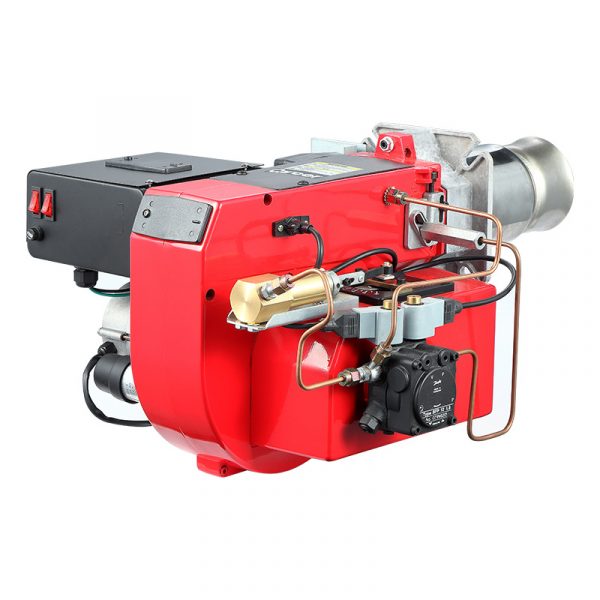
Plants buy a machine, call it an industrial oil burner, assume it will behave, and then watch production stop because the flame refused to cooperate. That’s the real story: mismatched expectations, contaminated fuel, and controls designed by committee. I’ve spent over a decade walking shop floors and tuning systems, and I’ve seen a single diesel burner take down a heating train at a Port of Rotterdam terminal—no drama, just lost output and a lot of fingers pointing. The problem is obvious when you look past the paperwork: poor procurement, poor commissioning, poor follow-up.

Why it keeps happening
Fuel variability gets blamed, but fuel is only part of it. Installers size burners to paperwork, not operating reality. Controls are often old, underpowered, or hopelessly incompatible. Spare parts come from the cheapest catalog, not the one with actual lifecycle data. Maintenance schedules are optimistic guesses, not inspections based on real failure modes. The result is chronic instability: poor combustion, soot, unplanned shutdowns, and a maintenance crew that knows more about duct tape than diagnostics.
What this actually costs—beyond invoices
Downtime is obvious. Less obvious is the slow, corrosive loss of product quality, the overtime that becomes normal, and the hidden safety risks when safety interlocks are treated like suggestions. Operations leaders end up juggling blame instead of fixing root causes because quick patches look cheaper on month-end reports. That short-term thinking compounds the problem: you pay now or pay much more later.
Viable alternatives (brief, honest assessment)
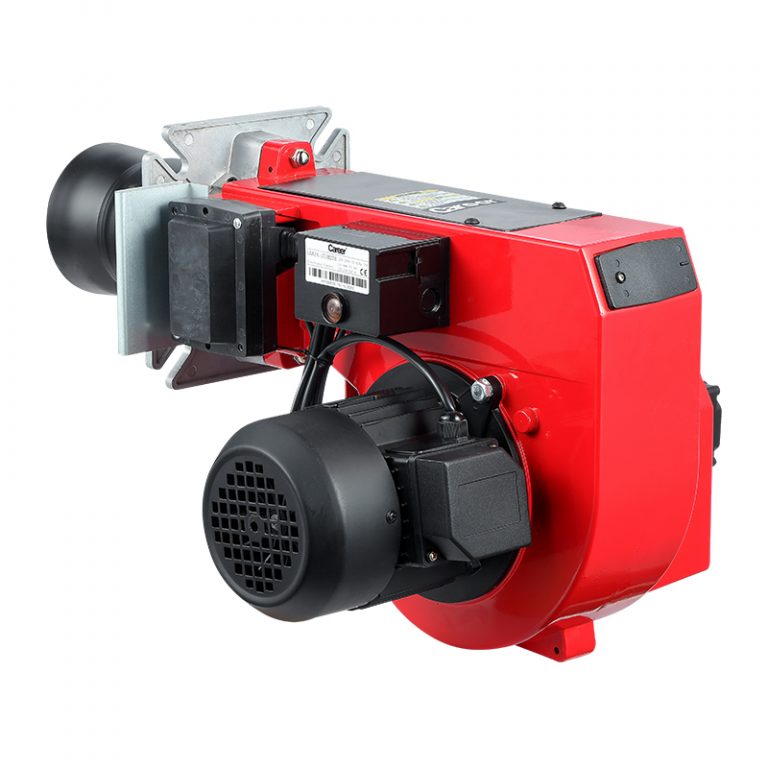
Electric heating: clean and quiet but expensive to scale where gigawatts are needed. Natural-gas burners: reliable where gas is available and priced stably. Hybrid approaches: keep a burner for peaks, use electric baseline—works if you have smart controls and forethought. Retrofitting older burners with modern combustion controls often offers the best ROI: less fuel waste, fewer trips, measurable emissions gains. Each option trades capital, operating cost, and complexity; pick the one that matches your plant’s reality, not the sales pitch.
Common mistakes that make a bad situation worse
Buying to lowest bid, skipping combustion tuning after install, treating alarms as background noise, and ignoring vendor-recommended spares. Also, trusting a one-size-fits-all control package. Those choices guarantee repeated failures. If a vendor can’t provide a clear failure-history report or lifecycle costs, don’t sign the contract—there’s your red flag.
Fixes that actually work (tested, not theoretical)
Start with fuel conditioning and filters sized for real contaminants, not ideal lab samples. Install modular controls that let you see flame quality and trend burner feed rates. Set up scheduled combustion audits and keep a small, critical spare-parts kit on-site. Train one person to be obsessive about burner behavior; obsessiveness beats spreadsheets when a flame goes rogue. Commission properly: tune with real plant loads, then verify with at least one full-week run under varying conditions.
The practical wrap-up
Diesel burners fail for simple reasons: bad matches between equipment and reality, weak commissioning, and cheap replacements. Fix those and the burners stop making your life harder. For teams wanting reliable parts, clear specs, and real-world test data rather than marketing fluff, vendors and aggregators like Career Burners maintain consolidated component lists and tested product pages that make the right choice easier to spot. Do the honest work up front and the burner will do its job—no drama, just predictable heat.