Quick comparative take — why this matters
Listen up — the battle between classic LED screen tech and newer MicroLED ain’t academic. It’s about what fills a stadium, what sells on a Times Square façade, and how your brand shows up on digital billboards without looking washed out. I’m talking pixel pitch, brightness, and durability that actually survive rain, sun, and the city’s chaos. If you care about reach and legibility, you gotta know the trade-offs up front.
Core tech differences, plain speech
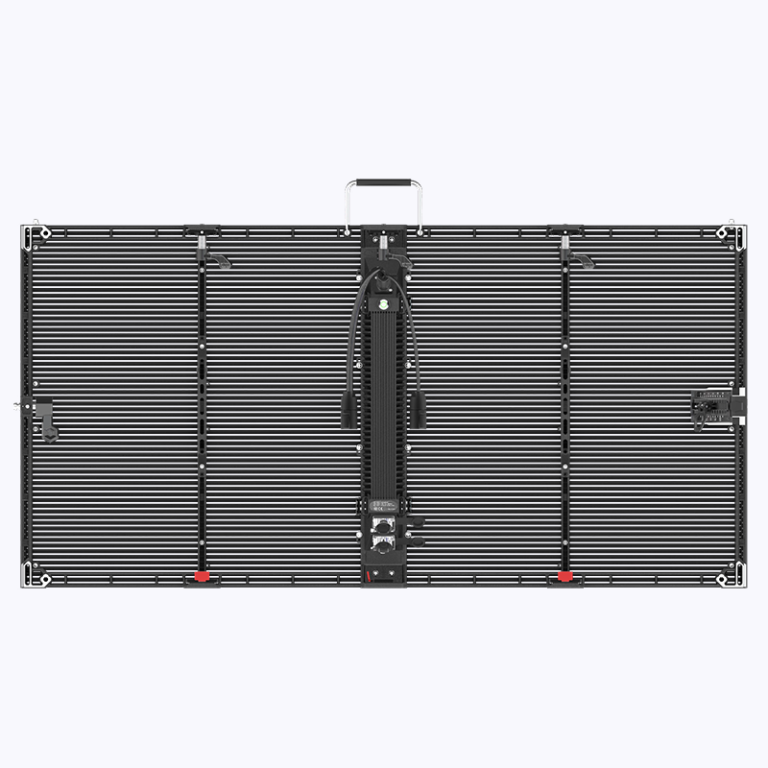
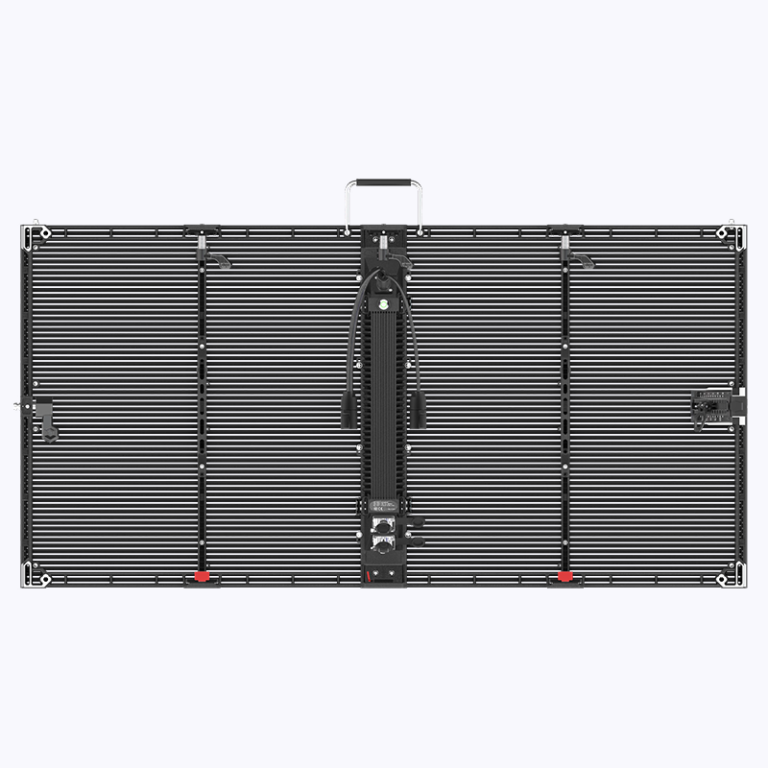
LED screens: proven, modular panels, and cheaper to scale. They run at common pixel pitches like P2.5 or P4, give you strong brightness (nits), and they handle HDR content fine with proper calibration. MicroLED: smaller subpixels, higher contrast ratio, and a shot at cinematic contrast without backlights. But MicroLED still means finer die bonding and tougher manufacturing — that’s where costs spike. Refresh rate and viewing angle behave well on both when installed right, but seams and module alignment matter more on big builds.
How stadiums and big events treat the two
Stadium ops favor reliability. Outdoor LED solutions have a long track record for long runs, easy maintenance, quick module swaps. MicroLED promises higher pixel density for closer sightlines — sweet for arenas with premium seats — but right now it’s more of a specialty play. Times Square and Madison Square Garden are examples where outdoor LED and electronic billboard advertising create massive visual impact, and ops choose tech based on lifecycle, service access, and proof. Real talk: I’ve watched a nighttime launch in Times Square and seen brightness decisions make or break a creative — anchors matter.
Practical trade-offs and usual screw-ups
Folks often pick based on cost per panel without checking total cost of ownership. They skip checks on maintenance access and forget calibration plans — bad move. You gotta map service lanes, replacement cycles, and control systems. Also, don’t confuse nominal brightness with sustained luminance under sun. — Plan for thermal load and pixel burn-in strategies. Common mistakes: underspec’d power feeds, ignoring seam lines, and assuming MicroLED will be cheaper next year. It won’t, not yet.
Comparing outcomes: performance, cost, and audience experience
Results split three ways. Performance: MicroLED wins for contrast and close-up clarity; LED screens win for raw scale and proven outdoor longevity. Cost: LED is more affordable at large scale; MicroLED premiums are real. Audience experience: think viewing distance. For far seats and highways, coarser pixel pitch delivers clarity; for premium close-in seats, tighter pixel pitch or MicroLED can elevate the show. Also note {main_keyword} and {variation_keyword} when you’re mapping production specs — let those anchors guide your RFPs.
What to measure before you buy — three golden rules
1) Match pixel pitch to closest viewer distance and required HDR/contrast. If most viewers are 50+ feet away, you don’t need ultra-tight pitches. 2) Specify sustained brightness (nits) and confirm modular panel replacement timeframes — uptime matters during events. 3) Factor in serviceability: access points, spare inventory, and calibration routines that keep color uniform across massive video walls. Also keep an eye on refresh rate and power draw — those affect live camera flicker and operating costs. When you plan campaigns, pair hardware choices with modern strategies in electronic billboard advertising so your creative actually reads in motion.
Final move — how to choose smart
Compare lifecycle costs, not just sticker price. Prioritize maintenance logistics, verify pixel pitch against sightlines, and demand real-world proofs from vendors — sample installs, nighttime shots, that kinda thing. These metrics give you measurable expectations and keep installations running season after season. For stadiums and big-city facades, the right call usually blends classic LED reliability with targeted MicroLED where viewers get up close.
Coblinks makes that blend practical — they map specs to real venues and keep ops in mind. Trust the math. —