Where the Real Decisions Begin
I still remember a hot July evening in 2019, standing beside a humming pad‑mount transformer in Bakersfield, the air thick with dust and static. Utility scale battery storage was the only thing holding the local feeders steady as demand spiked past forecasts. The numbers were stark: 114°F, wind at 9 mph, and a 62 MW ramp in twelve minutes—then a feeder trip that exposed a sleepy control scheme not ready for prime time (it should have been). I’ve spent over 18 years buying, integrating, and operating grid assets, and I’ve learned that what looks “good on paper” can buckle in the field. So here’s the question I carried home that night: Which tradeoffs actually turn a large battery from a handsome container farm into a reliable, value‑making plant? This is where I start every project, sleeves rolled, not with brochures but with logged faults, dispatch data, and scars. Let’s open that gate and walk in.
Under the Hood: The Flaws You Don’t See
What keeps good projects from great?
When we talk about utility scale energy storage systems, the failure points are rarely dramatic; they’re cumulative. Legacy designs centralize too much logic in a single EMS layer, while field conditions demand fast local autonomy at the rack. Without distributed control—think edge computing nodes near the DC bus—you get slow state‑of‑charge adjustments and messy power converters behavior during volatility. I watched a 100 MW/400 MWh site outside Odessa in June 2022 lose 0.7% revenue in a single hot week because the EMS and BMS were misaligned by 3–5 seconds during AGC calls. That lag killed round‑trip efficiency and forced derates. Trust me, we can cut through the noise; but first we must admit the system physics don’t wait for a cloud server.
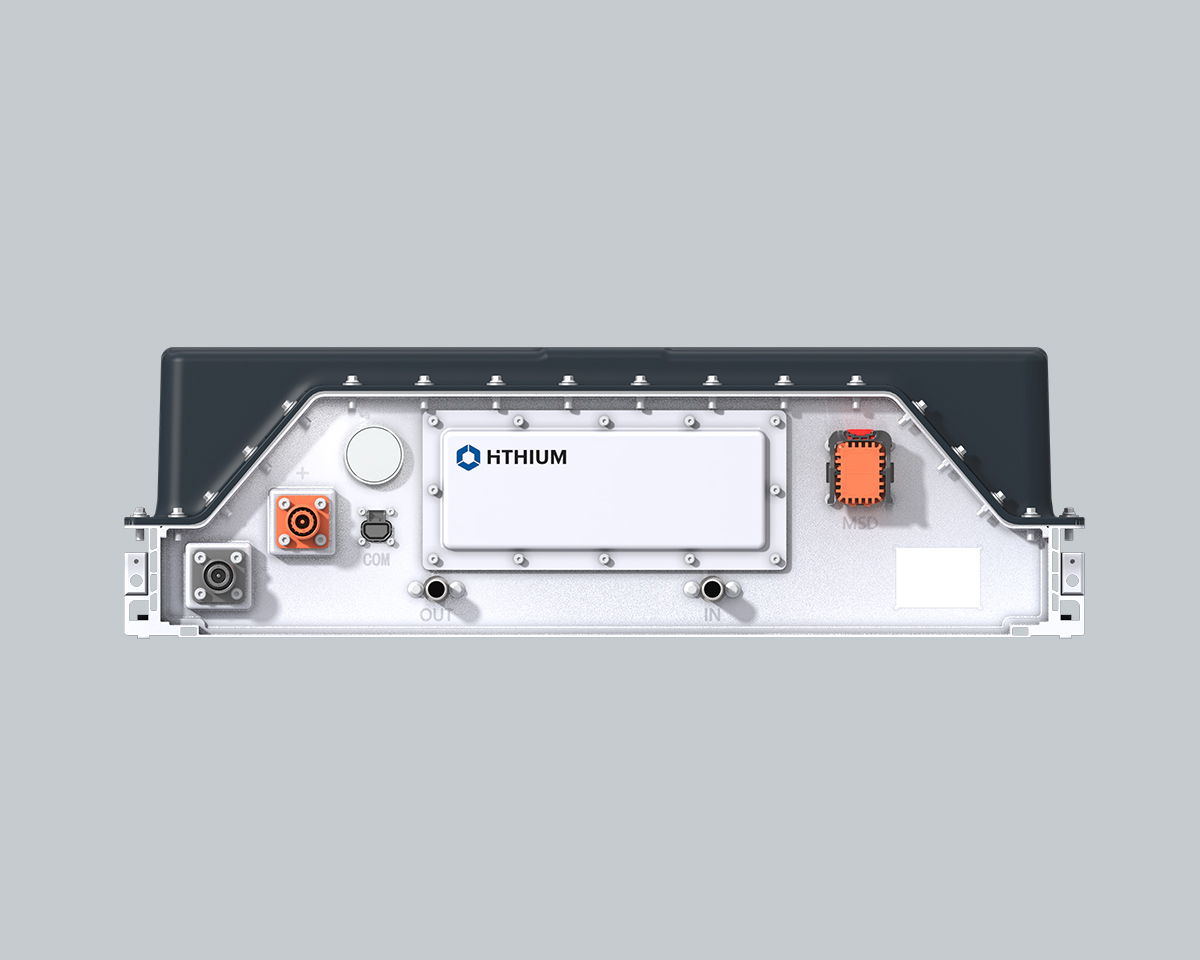
Traditional fixes also mask thermal reality. Many projects still rely on coarse setpoints that ignore cell‑level gradients; the result is uneven aging, hidden until the first year’s capacity test stings the P&L. I prefer designs that place smarter sensors and actuators right on the liquid‑cooled LFP racks, with local limits mapped to feeder constraints and SCADA alarms. Without that, you burn cycles on peak days and end up with a 2–3% availability haircut across summer—death by a thousand short dispatches. And then there’s grid‑forming mode: if your inverters only play nice in grid‑following mode, you’ll struggle with islanding and black‑start contracts that should be easy wins. Small gaps stack into big bills—fast.
Forward Looks: Principles and Proof
What’s Next
The answer I’ve leaned on for years is simple in words and exacting in practice: local brains, fast pathways, and graceful failure. Newer architectures push intelligence closer to the racks, add ultrafast comms between BMS and PCS, and keep the EMS focused on market logic and fleet optimization—no more micromanaging milliseconds from a distant server. In 2023, we retrofitted a 150 MW/600 MWh plant near Alpine, Texas with distributed controllers and PCS firmware tuned for synthetic inertia. Result: AGC tracking error fell by 38%, while parasitic load dropped from 2.9% to 2.1%. Those are boring numbers until heat hits again—then they’re the reason your schedule sticks. I’m seeing the same pattern in newer utility scale energy storage systems that favor modular 2.5 MW PCS skids, tighter SoC corridors, and event‑driven mode switching. One more nudge and grid‑forming will be standard, not a science project.
Let me put it side by side. Old school: centralized control, slow telemetry, one‑size curtailment, and awkward thermal maps. The new school: distributed logic at the container, high‑speed fiber between power blocks, adaptive SoC windows, and inverter controls that behave like a good neighbor during faults—then recover without drama. In Bakersfield we used to accept 90–92% effective availability in summer; last season, similar sites we advise held north of 96% while meeting RA calls and clipping feeder excursions. That gap pays mortgages. It also buys trust from operators who have to live with these machines at 2 a.m.—and I’ve stood there with them, flashlight shaking after a nuisance trip.
How I Evaluate a System (So You Don’t Inherit Regrets)
I’m writing for utility procurement managers, IPPs, and EPC leads who need practical checks, not slogans. Three metrics have saved me from expensive mistakes since 2010, including a notorious winter project in Pueblo where cold‑soak derates turned a tidy model into a headache. First, time‑aligned performance: require synchronized, 1‑second data across EMS, PCS, and BMS, and demand a report of AGC tracking error, commanded vs delivered power, and lag during frequency events (±0.5 Hz windows). If the vendor can’t produce that, they don’t control their plant. Second, thermal and SoC discipline: inspect rack‑level delta‑T under 2C charge and discharge, plus the control logic that tightens or relaxes SoC bounds as ambient crosses thresholds; aim for less than 3°C spread in steady state. Third, fault grace: observe recovery from line‑side faults, islanding attempts, and PCS brownouts; you want black‑start drills with documented steps and no human heroics—because heroics fail on bad nights. Keep these three and you’ll weed out the pretty but brittle designs—fast.
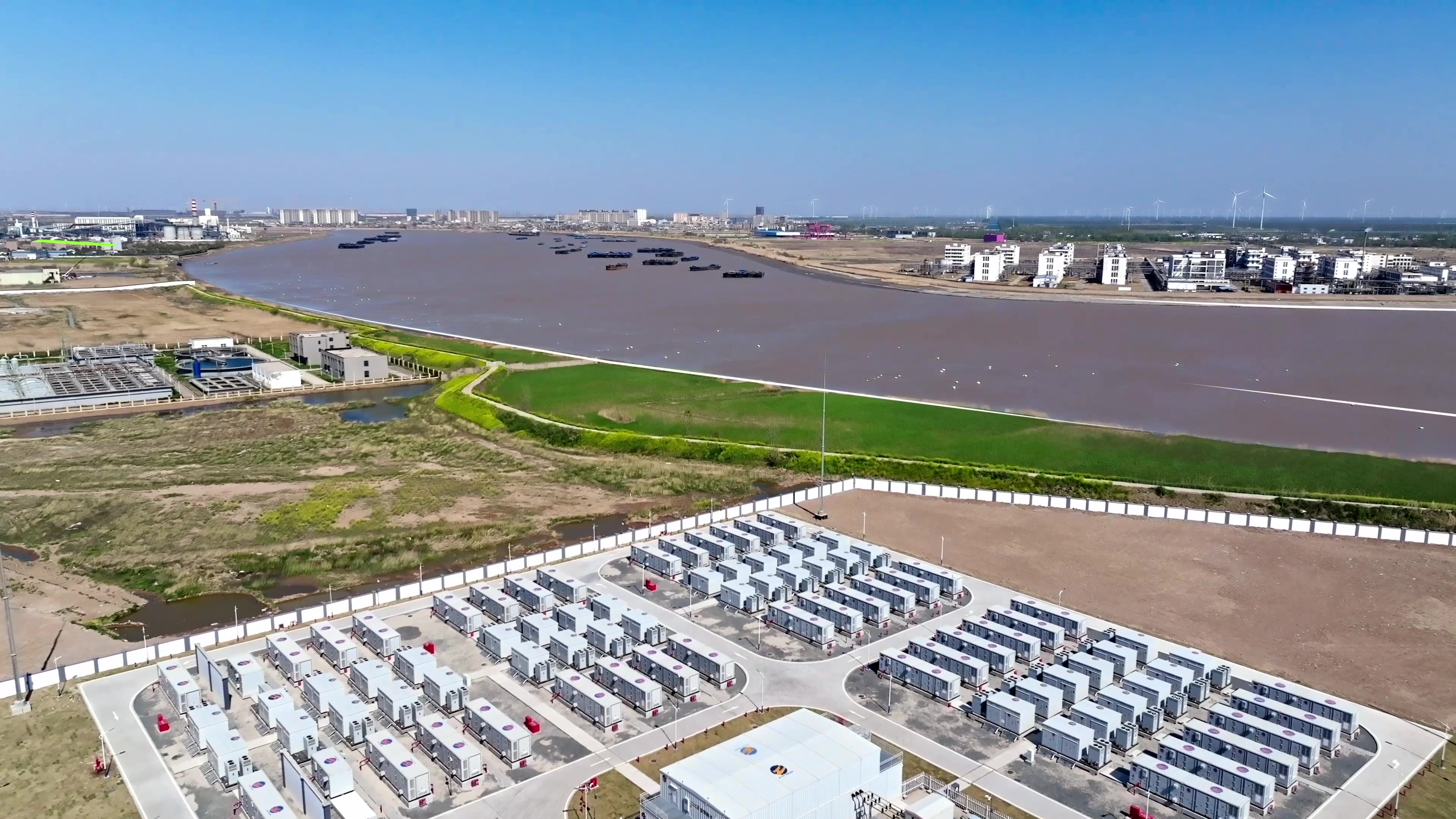
Underneath the marketing, we buy dispatch certainty, safety, and lifespan. I still prefer LFP with liquid cooling, 1500 VDC racks, and inverter stations that speak plain Modbus and IEC 61850 without hacks—little things that prevent weeks of integration drift. And when a partner shows me real logs, not stitched PDFs, I know we’re on the same side of the table. That’s the mark I look for when I sit down with a vendor such as HiTHIUM, steady voice, notebooks open, and all the hard questions invited.