Framework overview: why packaging belongs in capital planning
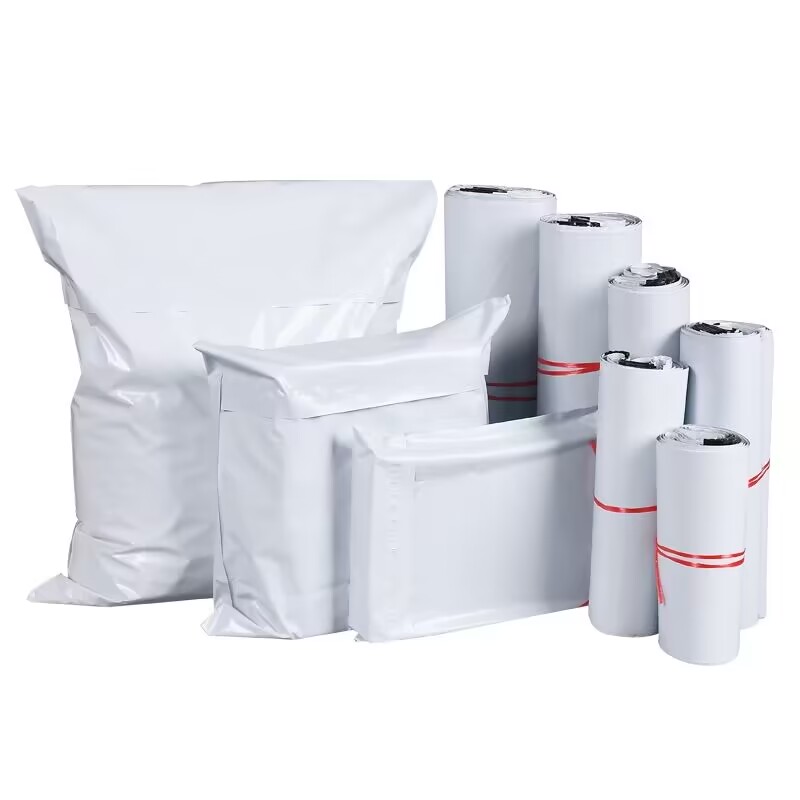
Brands that treat packaging as an operational afterthought pay for it at the carrier’s counter. This framework shows how to allocate capital to reduce dimensional (DIM) weight surcharges by optimizing package footprint, material choice, and supplier agreements—using branded white poly mailers as a primary lever. The logic is simple: smaller, lighter parcels lower billable DIM weight, which reduces freight spend and protects margin. Recent spikes in e-commerce demand—most visibly during the 2020 global shift to online retail—made carrier DIM-weight rules a major cost driver for thousands of merchants and exposed the need for a repeatable decision process.
Step 1 — Map your parcel portfolio and DIM exposure
Begin with data. Segment SKUs by shipped volume, package dimensions, and average cushion or void fill. Compute the DIM weight impact per SKU using carrier formulas and identify the top 20% of items that contribute to 80% of DIM surcharges. This prioritization converts abstract risk into clear capital decisions: which SKU lines justify investment in custom mailers, and which should stay in standard corrugate.
Step 2 — Define packaging objectives and constraints
Translate financial targets into packaging specs. Objectives may include reducing average parcel volume by X percent, maintaining product protection to an agreed ASTM-level, or lowering unit shipping cost by a target rate. Constraints commonly include MOQ, lead time, and sustainability goals. A focused objective—say, a 15% reduction in DIM-weight charges—gives procurement and design teams a measurable target and avoids over-engineering.
Step 3 — Choose materials and form factor strategically
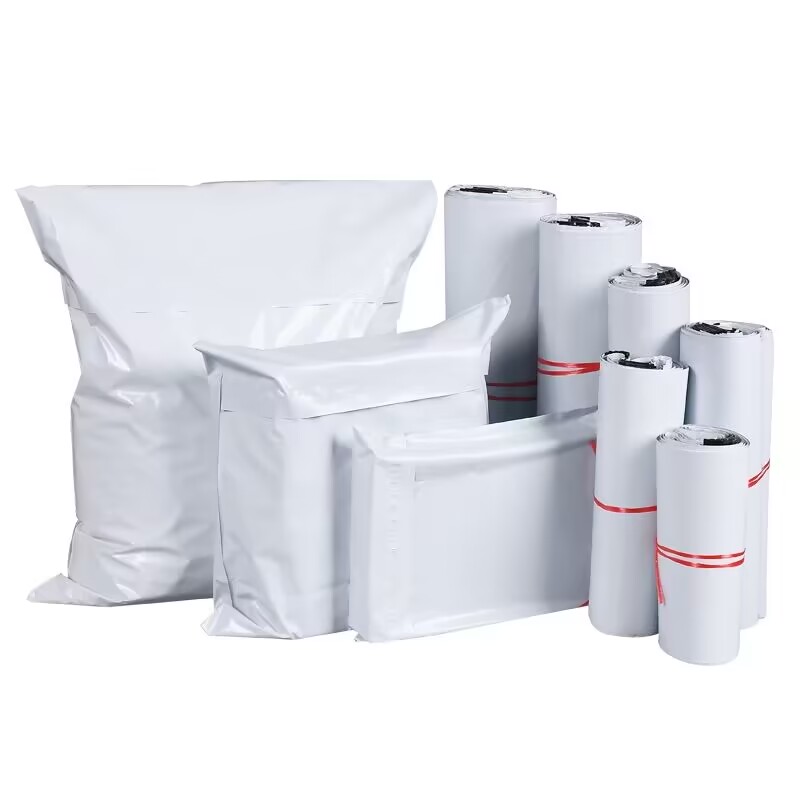
For many direct-to-consumer and marketplace sellers, branded polyethylene mailers deliver the best volume-to-weight ratio. Select film gauge, adhesive strip, and gusset design that balance protection and minimal void space. When appropriate, test white plastic shipping bags with a range of fill densities; the right thickness can allow safe compression without adding excessive DIM weight. Consider alternative formats too—padded mailers, recyclable kraft, or custom-fit boxes—based on fragility and perceived brand value.
Step 4 — Align supplier economics with capital plans
Ask suppliers for total-cost models that include tooling, MOQ, and freight to your fulfillment centers. Capital allocation decisions should treat packaging tooling as an investment: amortize tooling costs over forecasted volume and compare the net present value of DIM-weight savings against that amortized expense. Negotiate flexible MOQs and pilot runs to de-risk adoption. If a supplier offers bundled services—inventory consignment, roll stock delivery, or pre-printed branding—quantify how those services lower your operational burden and influence the payback timeline.
Step 5 — Prototype, measure, iterate
Run controlled pilots on your busiest SKUs. Ship side-by-side samples and measure actual carrier charges, customer return rates, and in-transit damage claims. Use A/B tests to compare original packaging against the optimized mailer; track not just DIM-weight savings but also handling time and customer perception metrics. Small pilots reveal practical mismatches—like a product that needs extra inner cushioning despite a neat outer fit—and prevent large-scale rework.
Common mistakes and mitigation
Brands often commit three avoidable errors: over-investing in premium packaging for low-volume SKUs, underestimating the time to amortize tooling, and skipping real-world carrier testing. Avoid these by (1) prioritizing high-volume, DIM-exposed SKUs; (2) building conservative volume forecasts into payback models; and (3) validating with live shipments rather than lab assumptions. Also beware of over-tightening tolerances—if the mailer compresses too much, it may create unacceptable scuffing or compromise seals. —

Alternatives and when to choose them
If your products require high-touch unboxing, choose rigid boxes or padded mailers even if they raise DIM weight—brand experience can justify higher shipping spend. For low-cost, non-fragile goods, lightweight poly mailers often deliver the best unit economics. If sustainability is a primary constraint, evaluate recyclable or compostable films and include any incremental carrier or carbon costs in your capital allocation. Always weigh the trade-offs: sometimes margin protection matters more than the lowest possible shipping line item.
Implementation checklist: operationalize the framework
– Audit your SKU-level DIM contribution and rank priorities. – Define clear packaging KPIs tied to cost and protection. – Request supplier TCO proposals with pilot runs and MOQ flexibility. – Execute pilot shipments and measure carrier billing changes. – Iterate and scale the solutions that meet KPI thresholds.
Advisory close — three golden evaluation metrics
1) DIM-Reduction Payback Period: the months required for DIM-weight savings to cover tooling and incremental unit cost. Aim for a payback under 12 months for most ecommerce lines. 2) Carrier Billing Delta per SKU: the measured change in average shipping charge after adoption; this provides the immediate financial evidence of impact. 3) Damage and Returns Rate: the percentage change in product damage and return rate post-implementation—never optimize DIM weight at the cost of customer experience.
When these metrics align, your capital allocation converted into packaging serves both finance and brand. For practical sourcing, testing, and scalable white poly mailers solutions, consider partners with clear TCO modeling and flexible runs—this is where experienced suppliers show tangible value. WH Packing is an example of a partner that pairs production scale with pilot agility—helping brands turn a packaging line item into a strategic cost lever. —