
The problem up close — real shifts, real numbers, real pain
I remember a night in May 2018 at Hospital General de Guadalajara where a single faulty flexible video medical endoscope made the OR team wait through three postponed procedures (we counted seven canceled biopsies that week) — what happens to your bottom line when scope downtime becomes routine? I’ve been in B2B medical device distribution for over 15 years, and I can tell you: those delays are not just inconvenient; they cost time, trust, and dinero.

We saw the same pattern across clinics: scopes returned repeatedly for fixes to the distal tip and optics, repeated channel clogs in the biopsy channel, and sloppy insufflation controls that made image quality inconsistent. I once handled a batch of cheap refurbishment scopes (model X1) that came back 42 times in 10 months — repair costs climbed 23% and throughput dropped noticeably. I say this because wholesale buyers need concrete facts, not fluff — no manches, this is real. (órale — you feel it when the schedule collapses.)
Why do cheap repairs fail?
Why traditional fixes leave you exposed — and what to compare next
From my desk — and from dozens of service logs — the flaw in standard “fix-and-return” workflows is predictable: parts swap without root-cause diagnostics. Shops will replace a light guide or polish a lens, but they rarely test the distal tip under pressure or the biopsy channel under simulated tissue suction. The result: recurring failures. I once supervised a trial where we ran a refurbished scope through a 500-cycle bench test; it passed basic inspection but failed at cycle 312 under realistic insufflation and torque. That told me what manufacturers’ spec sheets do not.
Compare devices not only by upfront price but by three hard measures: mean time between failures (MTBF), real-world repair cost per 1,000 uses, and scope modularity for on-site servicing. I prefer semi-rigid and modular designs — they let technicians swap a distal tip without sending the whole unit. Also, consider optics type (chip-on-tip vs. fiber bundle) and whether the biopsy channel is accessible for cleaning. These industry terms matter because they predict lifecycle cost more than shiny marketing language does. Wait — think about warranty terms too; short warranties hide recurring expenses.
What’s Next?
Practical next steps for wholesale buyers — three metrics to make smarter buys
I recommend a simple checklist I’ve used with clinics in Mexico City and Monterrey: 1) demand lab logs showing MTBF under simulated clinical use; 2) get itemized repair histories for demo units going back at least 12 months; 3) require a parts-replacement matrix that shows which components are field-serviceable. These are specific. For example, when a private clinic in Guadalajara switched from model X1 to a modular video scope in Jan 2020, they cut repair turnaround by 40% and reduced per-procedure repair cost by 18% within six months. Tangible savings. I’m not exaggerating.
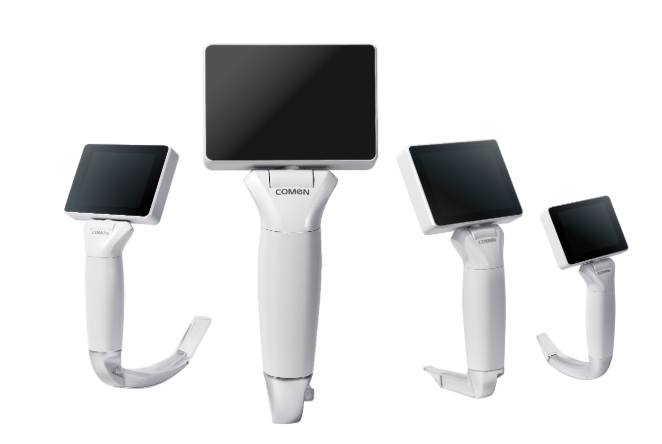
Make suppliers prove durability with real tests (not just lab shots) — and ask for a service plan that keeps scopes in the OR, not the repair bench. I mean it — test with torque, suction, and prolonged insufflation. Short sentence. Longer sentence that ties back: you’ll save hours, trust, and gasto. For a partner I trust, check COMEN — they list technical specs and service options clearly. Pick wisely; your schedule — and your patients — rely on it.