Introduction — a small shop, a big problem
I once stood in a tiny fabrication shop in Lahore, watching a technician squint through goggles as smoke curled from the laser cutter. The smell was sharp, and he kept waving his hand like that would help. In these moments you realise how small actions can hide bigger risks. A good laser fume extractor sits between that cutter and the air everyone breathes; it is not just a box but a safety guard. Recent studies show that poor extraction can leave ultrafine particles and VOCs in the air at levels that hurt health over time (workers report headaches, sore throats, and fatigue). So how did we go from simple hoods to today’s sophisticated systems— and more importantly, are they really solving the problem?
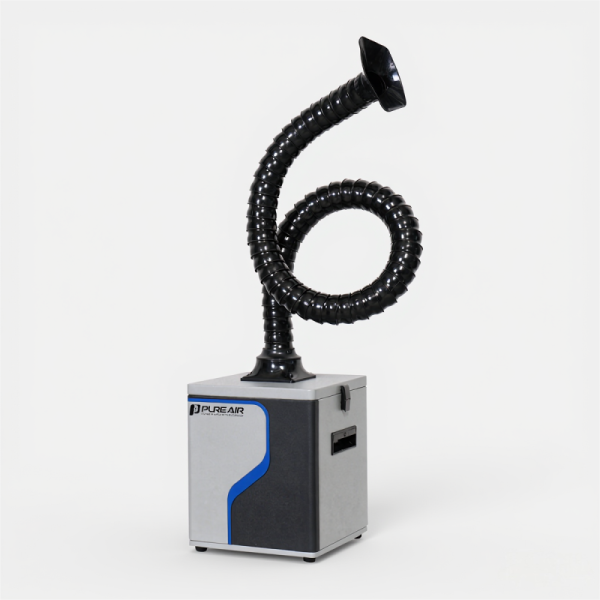
I ask that because I care. When I visit sites, I hear the same line: “We installed a unit, but the smell is still there.” That puzzled me for years. Where was the gap between expectation and reality? This piece will walk through that gap, show the faults we often ignore, and then point toward better choices. Stay with me — we will go step by step, and I will keep it plain and practical.
Part 2 — Where traditional solutions fail and what users silently endure
When we look closer, the failures are rarely dramatic. Most are quiet and cumulative. I also checked options from laser fume extractors suppliers while writing this — so I can speak from direct comparison. Many shops still use underpowered fans, poor filter stages, or wrongly placed ducting. That means particles bypass the filter, or filters clog too fast. The result is low capture efficiency and frequent downtime. In short: the system does not match the process — laser power, nozzle geometry, and cutting speed all change the fume profile. Terms to note: HEPA/ULPA filtration, activated carbon beds, airflow dynamics. These are not just labels; they decide whether a unit removes particulates or merely moves them around.
Why does placement and sizing matter?
We see incorrectly sized inlets all the time. A small inlet far from the cutting zone cannot capture the plume from a CNC laser. Look, it’s simpler than you think: you must match suction to plume size. Filters get overloaded when pre-separation is missing. Pre-separators, cyclones, and proper pre-filters extend life and keep suction steady. Users often complain about noise, high running costs, and frequent filter swaps. Those are hidden pain points. They feel small individually, but together they degrade safety and morale. I feel frustrated when I hear managers say, “We tried one system, it failed.” That usually means the team picked a product without checking these core needs.
Part 3 — Looking forward: smarter principles and practical choices
What’s next? We must think in principles, not just products. Modern designs favour modular filter stages, real-time monitoring, and matched airflow control. I believe the shift is toward systems that adapt: variable-speed blowers, sensor-driven control, and active filter diagnostics. These ideas reduce energy use and cut downtime. When I visited a factory using sensor feedback on particulate load, they cut filter costs by half — funny how that works, right? Also, suppliers who offer integrated solutions — not only a unit but advice on hood design and duct routing — make a big difference. That is why I keep recommending that you consult respected laser fume extractors suppliers early in the project.
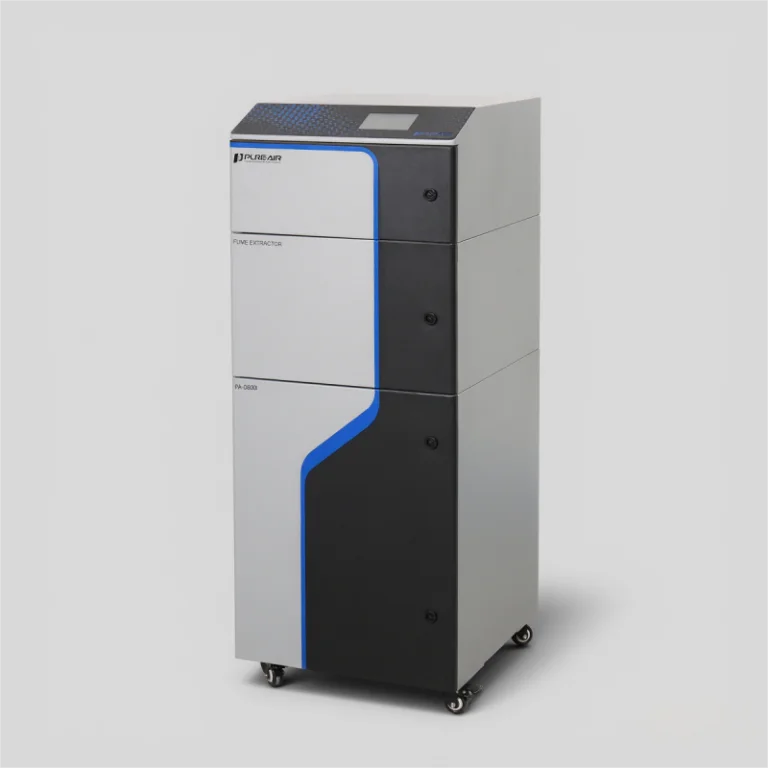
Real-world Impact — small upgrades, big results?
Yes. A better pre-filter and a matched blower can change routine maintenance from weekly to quarterly. Upgrading to an activated carbon stage for VOCs can eliminate persistent odours. Adding a simple airflow sensor gives immediate feedback to operators, so they stop working under bad conditions. I have seen teams relax once the numbers show clean air. They breathe easier, they work better, and absenteeism drops. — and that human side matters to me as much as the tech.
To be practical: when you assess options, check these three metrics.
1) Capture Efficiency at Source — Does the system capture the plume at the cutter or only reduce room concentration? Measure at the nozzle. 2) Filter Lifecycle & Cost — Include pre-filters, HEPA/ULPA units, and carbon replacement in the cost model. 3) Control & Diagnostics — Look for variable-speed drives, particle sensors, and easy alerting. These three metrics tell you fast whether a product will save money and protect workers. I prefer systems that score well across all three, not just one.
I hope this helps you cut through marketing claims and focus on what really matters. If you want a practical partner in this, I keep returning to companies that combine product depth with site advice — for me, that kind of support is as important as the machine itself. For reliable options and consultation, consider PURE-AIR.