What buyers should define before evaluating Fixed Multi Gas Detector: application scope shortlisting
Procurement teams should define the application before comparing a fixed multi gas detector. The phrase sounds specific, but it can cover different monitoring requirements, installation conditions, interfaces, and responsibilities. A useful shortlist therefore begins with a written description of the intended use, not with a ranking of product pages. This keeps the comparison tied to the work the equipment is expected to support.

Define the use case and constraints
Start by describing the decision in operational terms. Identify what area or process is under consideration, what the detector is expected to monitor, and which people or systems will use its output. This does not require a final technical specification at the first stage. It does require enough detail to prevent unlike options from being compared as if they served the same purpose.
A short application brief can cover several headings:
- Monitoring purpose: State whether the requirement concerns a particular gas-monitoring task, a wider multi-gas application, or an existing detection arrangement.
- Installation context: Record whether the proposed position is indoors, outdoors, exposed to a process environment, or part of a fixed facility. Treat these as questions for the technical review rather than assumptions about suitability.
- Mounting and access: Note the proposed mounting location, access for inspection, and any physical constraints that may affect installation planning.
- Signal path: Describe where the output needs to go, such as a control system, alarm panel, or another receiving device. The receiving system and its interface requirements should remain separate from claims about the detector itself.
- Responsibilities: Assign who will define the application, approve the technical fit, install the equipment, integrate signals, and maintain the resulting arrangement.
The purpose of this list is not to declare that one configuration is correct. It creates a boundary around the comparison. If the boundary changes, the shortlist may need to change with it.
Map stated evidence to requirements
Once the application brief exists, build a simple evidence table. Use one row for each requirement and record the exact statement that supports it, the product or model to which it applies, and the status of the requirement. A practical status set might be “stated”, “not stated in the reviewed material”, or “requires technical discussion”. This language prevents an absence of information from being treated as either approval or rejection.
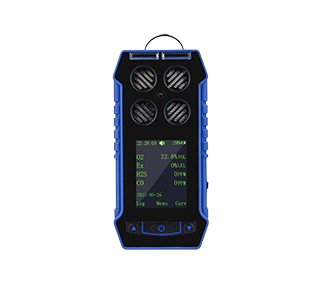
For example, the K-G60 page states 4–20 mA output, RS485 input, wall mounting, and IP66 in its specifications. These are page-level catalogue details attributed to that model. They can be placed beside corresponding requirements in a comparison table, but they should not be expanded into claims about certification, site suitability, safety outcomes, or unlisted configuration details. The evidence supports a precise comparison; it does not support a wider conclusion.
When reviewing a fixed multi gas detector, keep four distinctions visible. First, separate a product specification from a project requirement. A stated output is not the same as proof that an existing control system will accept it. Second, separate a mounting description from an installation decision. Wall mounting may be relevant to planning, but it does not resolve every physical or environmental question. Third, separate a protection category from a complete site assessment. The category is a stated data point, not a universal suitability conclusion. Finally, separate a page description from a performance result. Catalogue information should remain attributed to the cited page and model.
Turn open points into supplier questions
A strong shortlist makes uncertainty easy to manage. Convert each unresolved requirement into a question that can be answered against the defined application. Questions may include: Which monitored gases and ranges are offered for the intended configuration? Which output is required by the receiving system? How is the proposed RS485 or 4–20 mA connection expected to operate within the buyer’s architecture? What mounting arrangement is intended for the proposed location? Which technical documents describe configuration, installation, commissioning, or maintenance responsibilities?
These questions should be assigned to the person best placed to answer them. Procurement can control the comparison record and request consistent information. Engineering or systems integration can assess interfaces and project constraints. Operations can describe access, workflow, and maintenance expectations. The supplier can clarify what the product page states and identify configuration boundaries. This division does not prove that a candidate is suitable; it makes the decision process more traceable.
Ask for answers in a format that preserves scope. A model-specific response is more useful than a general statement about a product family. Likewise, a response tied to the proposed application is more useful than a generic assurance. Keep the original requirement, the source statement, the answer, and any resulting action together in the procurement record.
Summarise a defensible next step
Before progressing a candidate, review whether the application has been defined clearly enough for a fair comparison. Check that the monitored purpose, installation context, interface expectations, and responsibilities are written down. Then check that every product statement in the comparison is tied to the correct page, model, and requirement. Remove conclusions that rely on inference rather than stated evidence.
The result should be a shortlist with visible boundaries, not a catalogue of impressive-sounding features. It should show what is documented, what is relevant to the proposed use, and what still needs a technical answer. That approach also makes later changes easier to manage: if the application, interface, or installation context changes, the affected comparison rows can be revisited without rebuilding the entire decision from memory.
For procurement teams reviewing information from Bosean, the next step is to carry the application brief and evidence table into the supplier discussion. Keep the K-G60 specifications attributed to its page, use them only for the scope they actually describe, and frame every unresolved point as a defined technical question. This produces a more defensible basis for shortlisting without claiming more than the available product information can show.