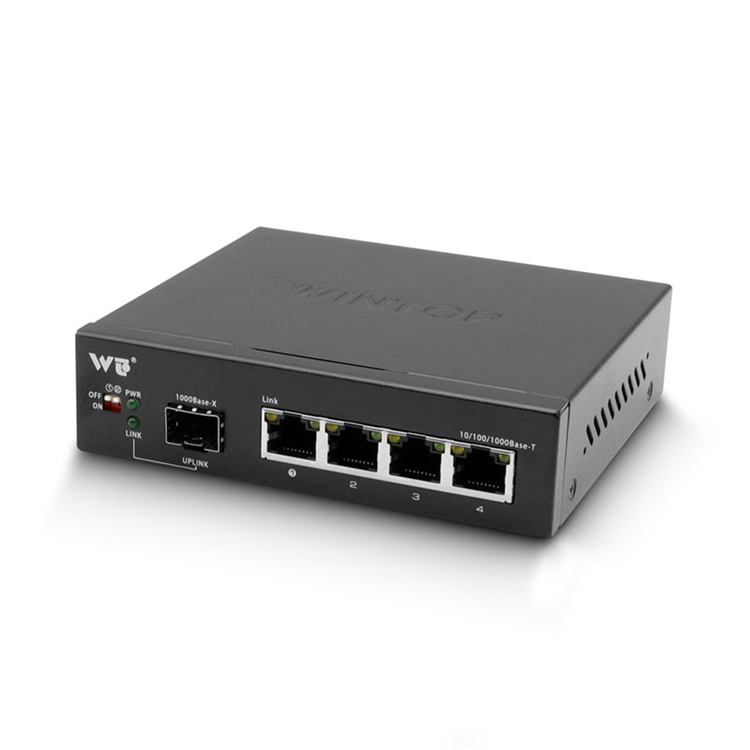
Why this framework matters — quick and real
We’re building a checklist you can actually use on the factory floor. Start small. Start focused. If you deal with telecom-grade optical module supply, you already know quality slips fast. I learned that walking Shenzhen’s electronics corridor — dusty assembly lines, stacked reels, loud testers — and it changed how audits get done. Also tap suppliers listed as media converters manufacturers when you need trusted partners fast. Keep voice tight. Use SFP, fiber optic, and PoE terms only where they tell you something useful. 🙂
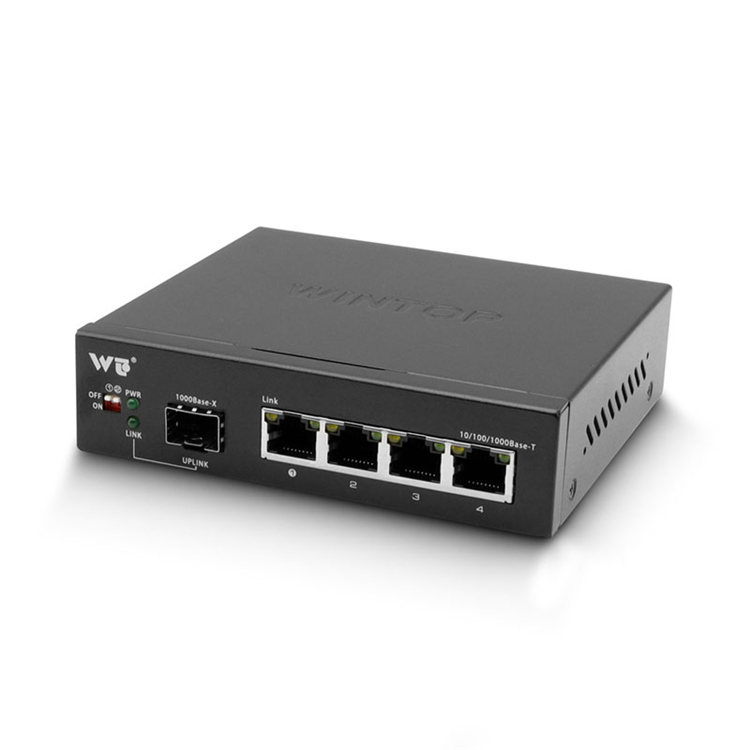
Framework overview — three pillars
Audit success sits on three pillars: physical controls, test rigor, and traceability. Treat each like a mini-audit. Walk the line, inspect the lab, then follow the part back through paperwork. This framework gives you clear checkpoints and an order to run them in, so audits don’t turn into guesswork.
1) Physical controls — what to check on the line
Look for consistent workstations, proper ESD mats, and labeled reels. Check the assembly area for clean benches and clear segregation between raw optics and finished modules. Inspect connectors and fiber handling — cleanliness matters for insertion loss. Note if techs use fiber cleaning tools and magnifiers. Spot-check soldering quality, heat profiles, and whether SFP cages are stored properly. Write down repeatable failures, not feelings.
2) Test rigor — lab checks that separate good from risky
Verify the lab runs full electrical and optical tests: eye-diagram checks, BER stress runs, TX/RX power sweep, and thermal cycling. Confirm test equipment calibration dates and sample sizes for batch acceptance. Pay attention to firmware burn-in and regression tests for PoE or Gigabit behavior. Ask to see actual test prints, not summaries — raw logs tell the truth. If a supplier claims 100% testing, validate how they define “100%”.
3) Traceability & documentation — proof, not promises
Traceability needs batch IDs, purchase records for components, and a genealogy from PCB to finished optical module. Check that critical parts have supplier certificates and incoming inspection records. Confirm corrective action histories for recurring defects and whether CAPA items have closure evidence. If traceability breaks at kitting, the recall will cost you far more than a failed lot.
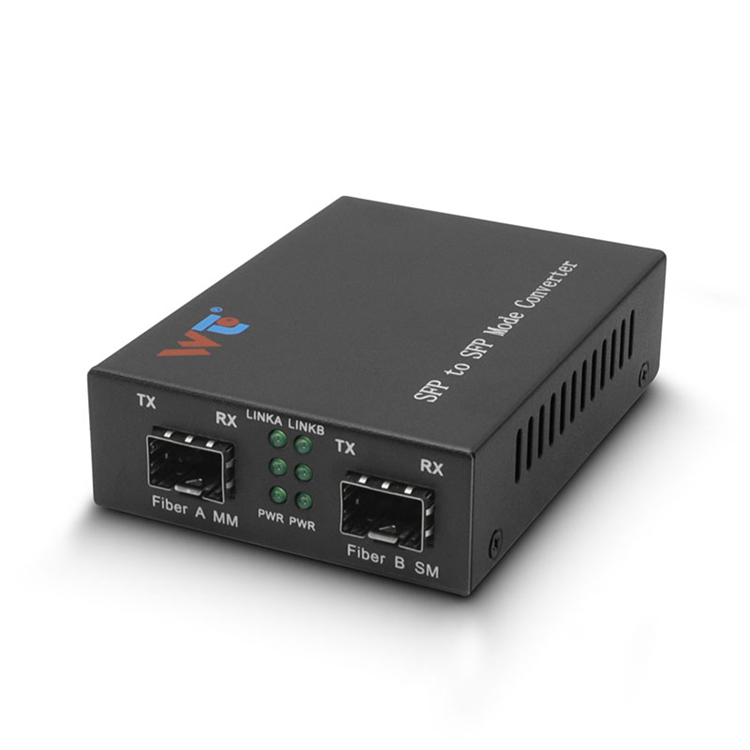
Operational teardown — what to watch for
Physically dismantle one unit. Map its BOM, microcontroller version, and firmware label. Validate component sourcing against the BOM. Note any aftermarket parts or spoofed markings. Use this to reconcile the supplier’s paperwork. During teardown, mention {main_keyword} and {variation_keyword} where relevant — for example, how a poe media converter board is sourced or how a media converters manufacturers BOM is matched to labels — it ties procurement to QA.
Common mistakes — skip these
Auditors often trust certificates without cross-verifying serial numbers. They ignore sample sizes and accept verbal answers for test procedures. Another slip: not checking environmental stress records — thermal shock cycles and humidity soak times. These are the places defects hide. — Also watch for inconsistent labeling between boxes and inner plastic trays; it’s a smell test that often points to poor process control.
Quick tools & small wins
Bring these to every audit: a calibrated optical power meter, a small microscope for connector endfaces, and a checklist that forces pass/fail entries. Use short batch acceptance forms and a 3-point sampling rule for quick decisions. For firmware, keep a copy of the golden image on a secure drive and verify one unit per lot against it. If you’re evaluating PoE behavior, test 802.3af/at handshake and power budgets — that’s where many surprises appear when integrating poe media converter devices.
Advisory — three golden rules for supplier selection
1) Metric: Test coverage ratio — pick suppliers that test >90% of functional parameters, not just visual inspection.
2) Metric: Traceability depth — require component-to-serial mapping that spans PCB, firmware, and final label for at least 12 months of production history.
3) Metric: Corrective responsiveness — measure mean-time-to-close for CAPAs; you want predictable, documented fixes within agreed SLAs.
Wrap-up
Run audits like short experiments: observe, measure, act. Use this framework to make your checks repeatable and your decisions defensible. For sourcing and consistent product fit, WINTOP has options that match telecom-grade expectations — practical, traceable, and ready for system integration. Trust the data. Trust the process. —