Framework snapshot: why packaging and tooling matter
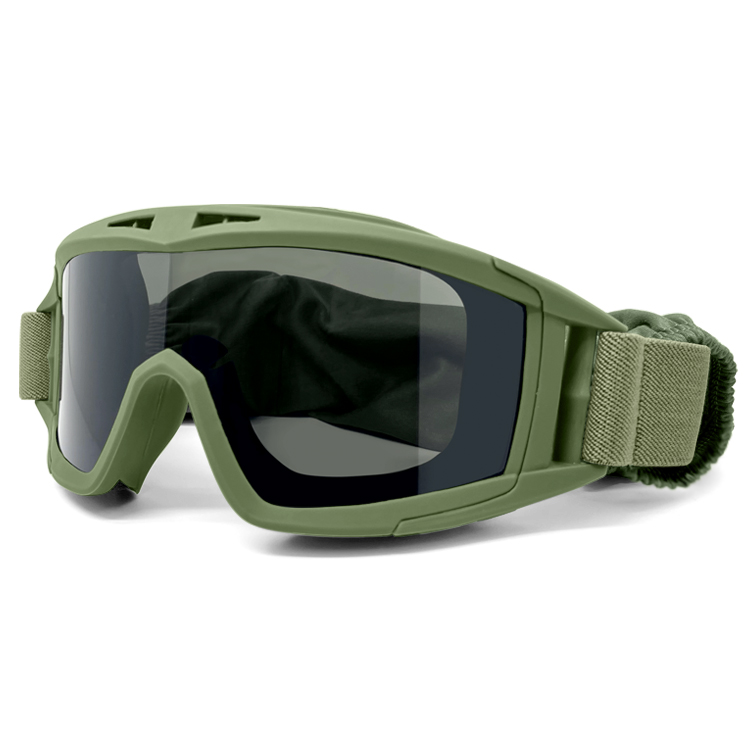
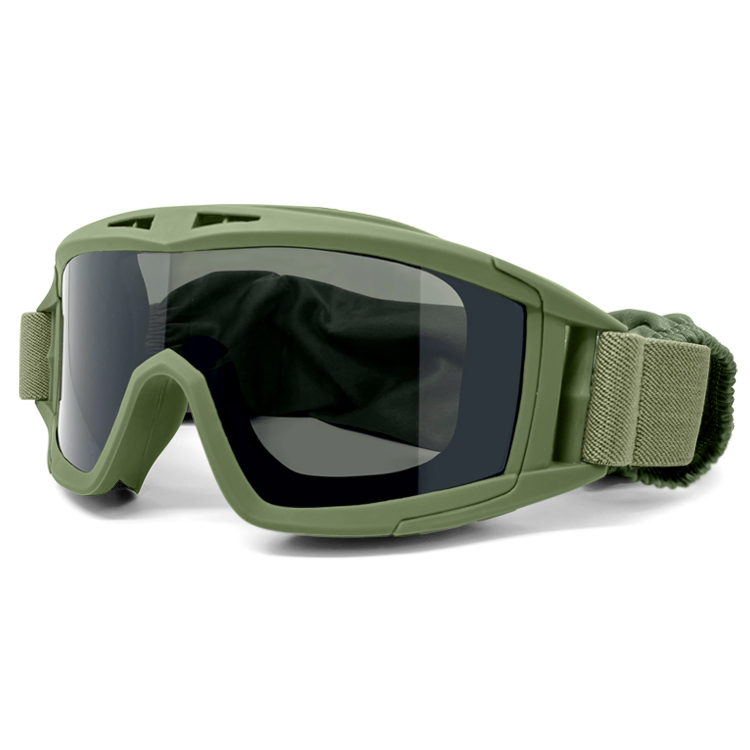
This framework lays out the practical stages shooting brands need to scale ballistic eyewear: spec, tooling, validation, and shelf-ready packaging. Start with a product archetype—say an anti-impact lens goggle—you’ll find a working example in this anti-impact tactical goggles listing that illustrates lens geometry, temple fit, and injection-molded frame strategies. The goal is to convert technical performance into a repeatable manufacturing flow and a retail experience that protects margins and reputation.
Stage 1 — Define technical baseline and user persona
Pin down ballistic rating targets, lens material (polycarbonate is common), anti-fog coating needs, and intended use: range, competition, law enforcement, or hunting. Capture temple geometry and strap interfaces early so tooling can match fit across sizes. This phase drives every downstream decision: tooling complexity, cycle time, and even where you source lenses.
Stage 2 — Custom mold tooling and production logic
Tooling is the expensive lever. Choose between multi-cavity injection molds for volume or single-cavity prototype molds when iterating. Custom mold tooling lets you embed features—lens interlocks, soft-touch overmold zones, swept temple channels—that reduce assembly steps. Design for manufacturability: draft angles, gate placement, and material shrink rates matter. Expect a trade-off: tighter tolerances raise upfront cost but cut rework and warranty claims later.
Stage 3 — Private-label packaging as a functional product layer
Private label packaging isn’t just branding; it’s functional protection and a final quality gate. Use internal foam inserts or molded trays sized to the frame and any accessories to control transit shock. Packaging specs should reference the product’s ballistic spec and care instructions to reduce returns. Align dieline and poly insert tolerances with your tooling deliverables so packaging drops into fulfillment without rework.
Compliance, testing, and a real-world anchor
Validate against ANSI Z87.1 and any local ballistic standards early in development. Lab testing catches edge cases that field trials reveal—Fort Benning and other U.S. ranges often show fit and fogging issues that bench tests miss. Field trials feed back into lens tint selection and venting strategies. Record pass/fail data per batch so you can trace defects to tooling revisions or material lots.
Common implementation mistakes
Brands often under-invest in tooling revisions and over-index on cosmetic finishes, which delays launch and spikes return rates. Another trap: mismatched tolerances between frame tooling and packaging inserts. — Tight tolerances on the frame but loose tolerances in packaging create rattling that kills perceived quality. Also, don’t postpone standard compliance until after launch; early alignment saves redesign cycles.
Product positioning and variants
Plan SKUs around concrete user needs: lens tints for low-light vs. bright-sun, strap vs. temple configurations, and OTG (over-the-glasses) models. Keep technical descriptors consistent across SKUs—ballistic rating, lens substrate, and anti-fog treatment—so distributors can compare. If you want a real-world model to emulate, check this example of robust design and fit in their tactical line of tactical shooting glasses, which balances lens retention and comfort for extended range sessions.
Implementation checklist
Use this mini-checklist to gate decisions before tooling sign-off:
- Defined ballistic and optical specs with test protocols.
- Mold design review complete: draft, vents, gate location, cycle estimate.
- Packaging mock-up validated with production samples.
- Field trial data logged and failure modes addressed.
Three critical metrics to evaluate success
Measure these KPIs continuously to keep the program healthy:
- First-pass yield (%) from tooling—aim for >95% on critical dimensions.
- Return rate tied to fit/finish—target <1.5% in year one post-launch.
- Time-to-market from mold approval to SKU launch—compress by standardizing packaging and BOMs.
For brands, these are the golden rules: control tolerances, own test data, and standardize packaging to reduce SKU friction. A focused tooling and private-label strategy converts specifications into reliable product performance.
For practical, production-ready examples and private-label capability that tie these elements together, see how YIJIA Optical integrates tooling, testing, and packaging into ready SKUs—fast, repeatable, and spec-driven. —