Introduction: From Parking Lot to Power Plant
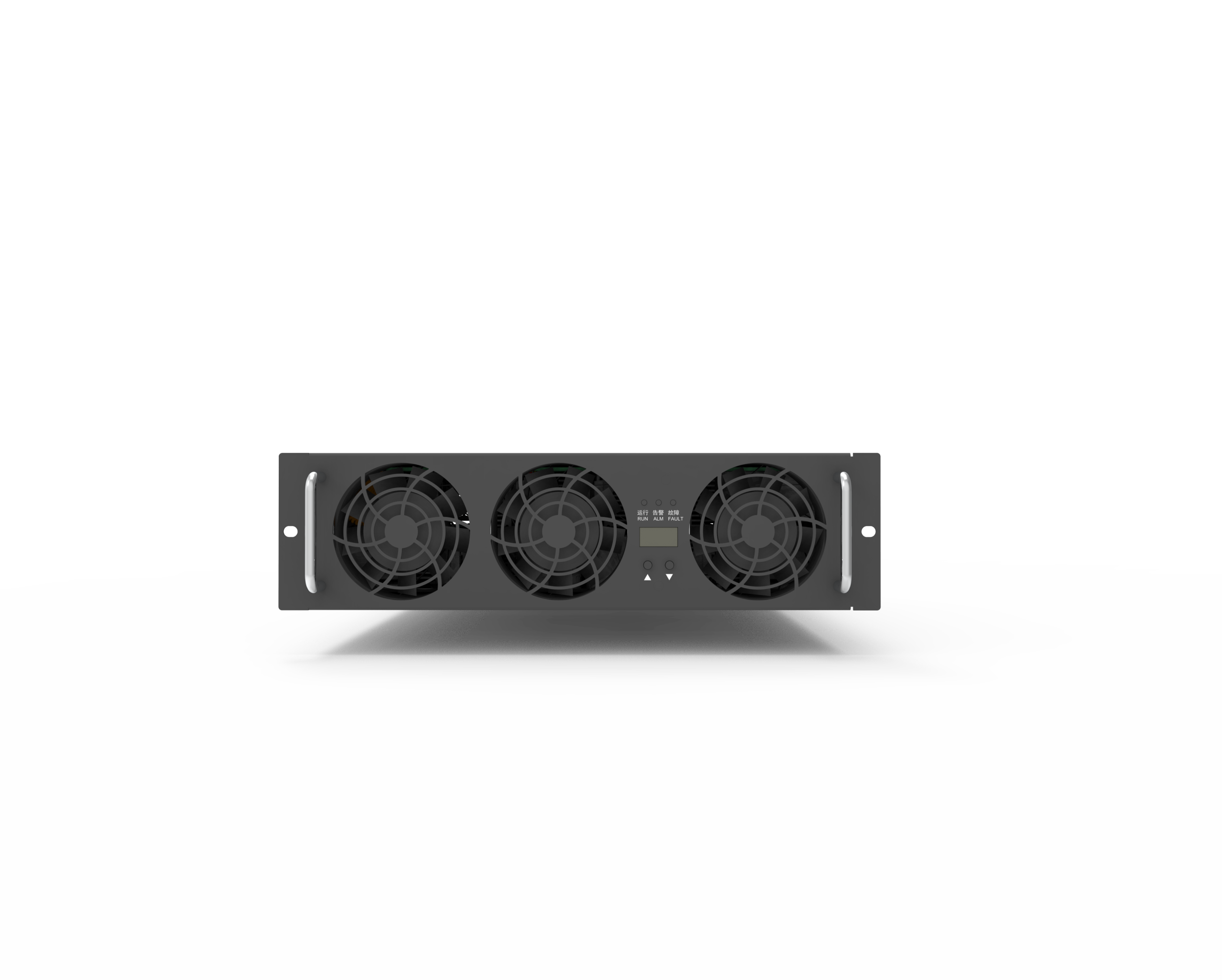
Here is the simple truth: parked EVs are an energy goldmine waiting to be tapped. A charge discharge module sits at the heart of that promise, acting like the gatekeeper between the car and the grid. Picture a condo garage at 6 p.m., lights coming on, lifts running, and dozens of EVs plugged in. Now imagine using those cars to shave the evening peak, safely and quietly. In some cities, peak demand spikes can jump 10–20% in one hour—ouch. But if we can coordinate even a small share of EV batteries, we can support local voltage and reduce stress on feeders (đúng rồi, it helps your building too). The question is simple: how do we do it without cooking the hardware or confusing the grid rules?
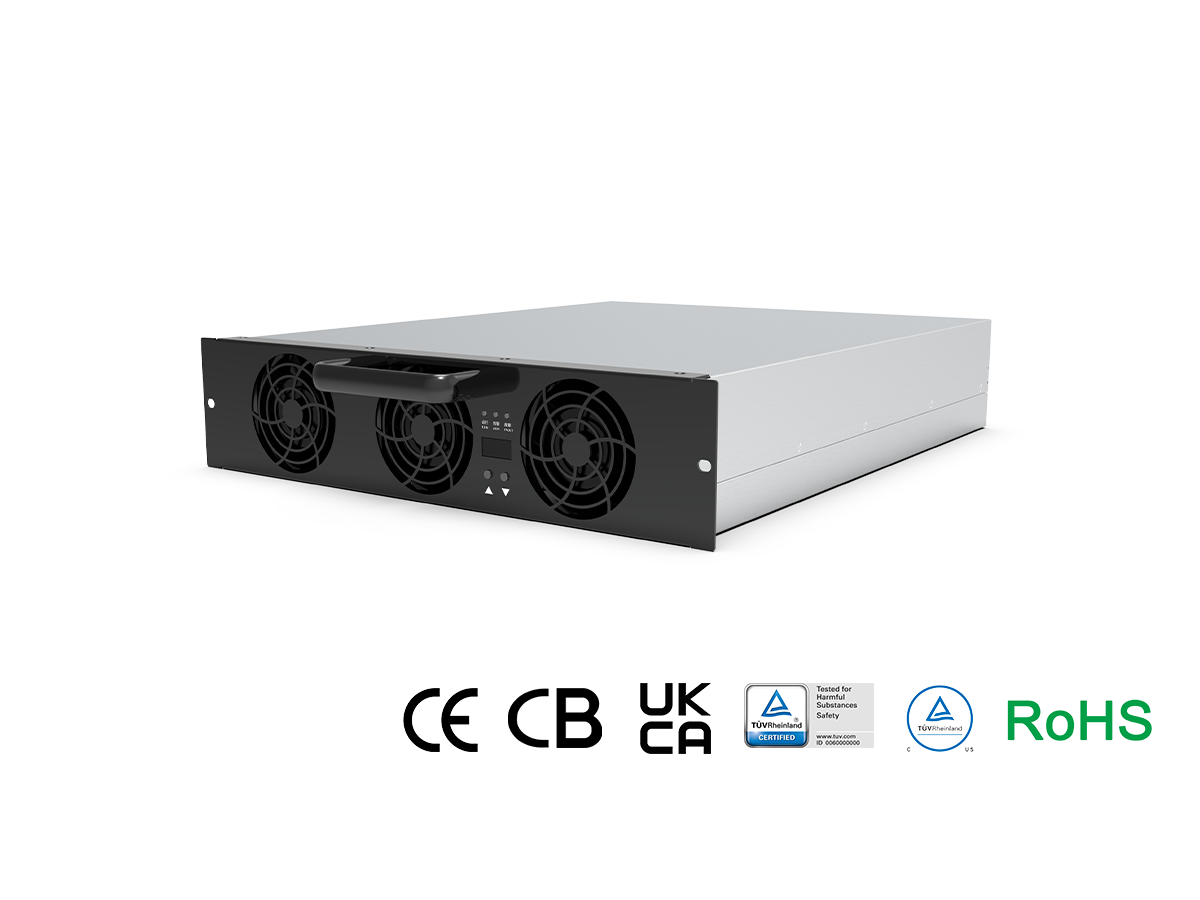
We’ll line up the real constraints, then compare smarter ways to turn EVs into reliable grid assets—without drama. Let’s set the baseline first.
Part 2: The Quiet Flaws Behind “Plug and Pray” V2G
What’s the hidden bottleneck?
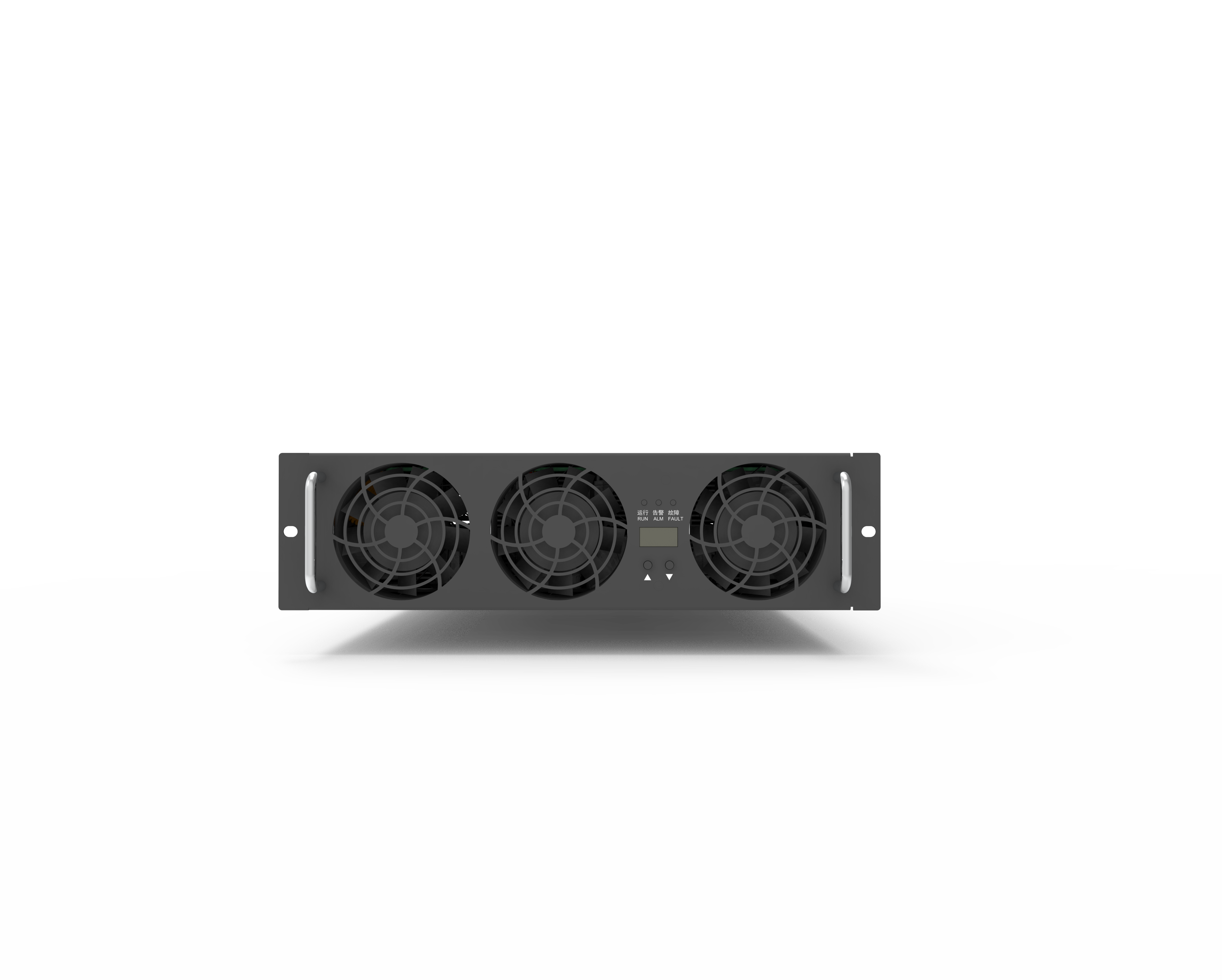
Many pilots chase fast wins, but the deeper layer is technical discipline. A robust V2G charging solution must keep the DC bus stable, manage thermal cycles, and respect the car’s state-of-charge (SoC) window. Traditional setups often bolt V2G onto AC hardware designed only for one-way flow. That leads to jittery control loops, uneven power converters loading, and higher harmonic distortion—funny how that works, right? In practice, the module ends up switching harder and hotter. Over time, you see drift in sensing, more fan hours, and power factor correction slipping off target during peak export. Look, it’s simpler than you think: if the firmware can’t coordinate SoC limits with grid commands in milliseconds, the hardware pays the price.
Hidden pain points show up in the field. Car arrives low, driver needs to leave early, and the module still owes the building 5 kW. If the control logic doesn’t reconcile driver intent, ISO 15118 constraints, and grid-tied inverter modes, you get conflict. CAN bus chatter spikes, protection trips, and islanding protection gets too conservative. Users feel it as “slow charge” or “random stops,” while operators see it as missed ancillary services bids. The fix? Tight integration: thermal maps bound to dispatch logic, SoC floors that adapt per vehicle, and loop controls tested under asymmetric loads. Without that, even a great module works too hard—and fails too soon.
Part 3: Forward-Looking Choices That Make V2G Boring—in a Good Way
Real-world Impact
Now, let’s compare where we are going. Modern systems blend new technology principles with practical safeguards. Fleet depots use edge computing nodes to orchestrate vehicles, while the module executes clean, low-ripple power steps. One case showed a 15% peak shave with zero driver complaints—because the dispatch respected trip forecasts and SoC reserves. Integrations with bidirectional EV charging 170 hardware deliver tighter current control and better thermal headroom. The result? Less switching loss, calmer fans, and stable DC bus voltages—even when the feeder flickers. And yes, that matters.
So what’s next? Expect cleaner topologies using SiC MOSFET stages, smarter firmware that pre-warms or cools before high export, and dispatch algorithms that weigh battery wear against tariff wins—right there at the module. Standards alignment (OCPP, ISO 15118) will close gaps between site controllers and vehicles. The best designs will make the module almost invisible: precise ramp rates, safe reverse power, and graceful fallback when the grid gets noisy. We learned that “bolt-on” V2G strains hardware and trust; the path ahead makes it predictable. To choose well, use these three metrics: 1) Thermal integrity under 10-minute high-export cycles (watch delta-T and sustained fan RPM), 2) Control fidelity (total harmonic distortion under dynamic steps and response time to grid setpoints), 3) Battery kindness (SoC window enforcement and documented cycle-life impact per kWh exchanged). Advisory, not hype—because boring reliability is the win. And if you want a steady reference point without hard sell, check out winline EV charging.