Starting the comparison with a story
I remember a homeowner who wanted reliable power for a remote cabin and kept asking whether to buy the cheapest panels, a bigger battery, or a smarter inverter. The choice came down to one clear split: upfront expenditure versus what the system would deliver year after year. When I mapped options, the system that balanced a sensible battery with a responsive hybrid inverter consistently outperformed cheaper-looking packages over a decade. That contrast—what you pay now versus what you actually get over time—frames everything that follows.
What belongs on the balance sheet
Decide which line items matter. Common inclusions:- Capital cost: panels, mounts, batteries, inverter, installation.- Replacement cost: battery packs, inverter electronics, possible panel repairs.- Operating cost: maintenance visits, minor replacements, fuel when a generator is used.- Reliability and value of delivered energy: hours of blackout-free operation, usable stored kWh.- Residual value: resale or second-life battery value.A clear example from a community microgrid trial in rural Kenya showed how a modestly higher initial spend on resilient inverters and quality batteries cut generator runtime and paid back through saved fuel and fewer service visits.
How to convert lifecycle effects into comparable numbers
Use a few simple metrics to make choices numeric:- Net Present Value (NPV) of all cash flows using a realistic discount rate.- Levelized Cost of Energy (LCOE) for generation and Levelized Cost of Storage (LCOS) for battery-backed energy.- Total Cost of Ownership per usable kWh over the warranty period.Calculate expected degradation rates, typical depth-of-discharge, and cycle life for batteries; factor inverter efficiency and standby losses. Compare systems by cost per delivered, usable kWh over your chosen horizon—not per panel watt alone.
What a comparative checklist looks like
When you put two systems side-by-side, check:- Warranty length and what’s covered (panels, battery, inverter).- Battery cycle rating and recommended DoD; lower cycle life with deep DoD raises replacement frequency.- Inverter behavior during cloudy periods and grid outages; hybrid systems that seamlessly manage charge and load reduce generator runtime.- Realistic installation and commissioning costs, plus expected maintenance frequency.- Monitoring and remote diagnostics; they cut service visits and identify premature failures earlier.Score each item for expected impact on delivered kWh and on recurring costs, then weigh scores by what matters most to you—uptime, cash flow, or minimal maintenance.
Technical corner: the role of the inverter
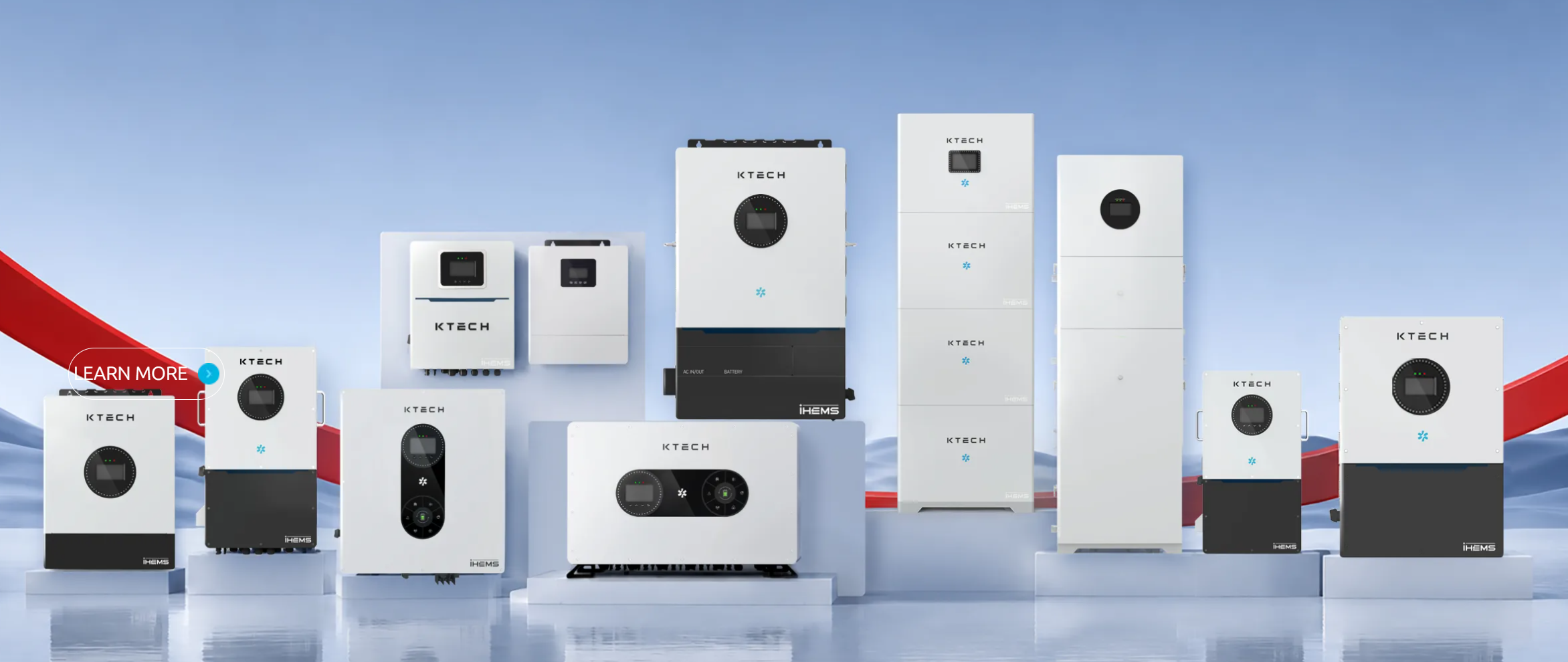
The inverter is the control center: it decides when batteries charge and discharge, how efficiently DC is converted, and how the system responds to loads. Compare features such as bidirectional charging, peak shaving logic, and firmware update paths. A modern hybrid pv inverter that supports adaptive charging and integrates with battery management can reduce unnecessary cycling and extend battery life—this change alone often shifts the lifecycle math in favor of a slightly higher-priced solution.
Common mistakes that skew comparisons
Avoid these traps:- Using nameplate watts without adjusting for real-world losses.- Ignoring degradation and replacement timing; replacing a battery every five years changes payback radically.- Comparing warranties without reading exclusions—transport, labor, and secondary-life conditions matter.- Forgetting to cost for downtime or fuel if a generator will fill gaps; intermittent reliability has a real dollar value for businesses and critical users.
Alternatives and trade-offs to consider
Choices are never simple. A larger battery reduces generator hours but raises replacement risk. A premium inverter cuts losses and automates dispatch but adds upfront cost. Grid extension can look tempting if the connection cost is low, but factor in recurring tariffs and outage exposure. Rank options against three priorities: lowest total cost per usable kWh, maximum autonomy, or minimum maintenance. That ranking forces honest trade-offs.
Bringing it together
Compare like with like, score what matters to you, and translate lifecycle effects into delivered, usable energy and predictable costs. When you do that, systems designed around reliable inverters, sensible battery sizing, and clear service pathways rise to the top—not because they’re the cheapest at purchase, but because they cost less per useful kWh over time. Practical suppliers who publish performance specs and support long-term service plans make this math straightforward; it’s the approach I expect when I evaluate partners such as Ktech.