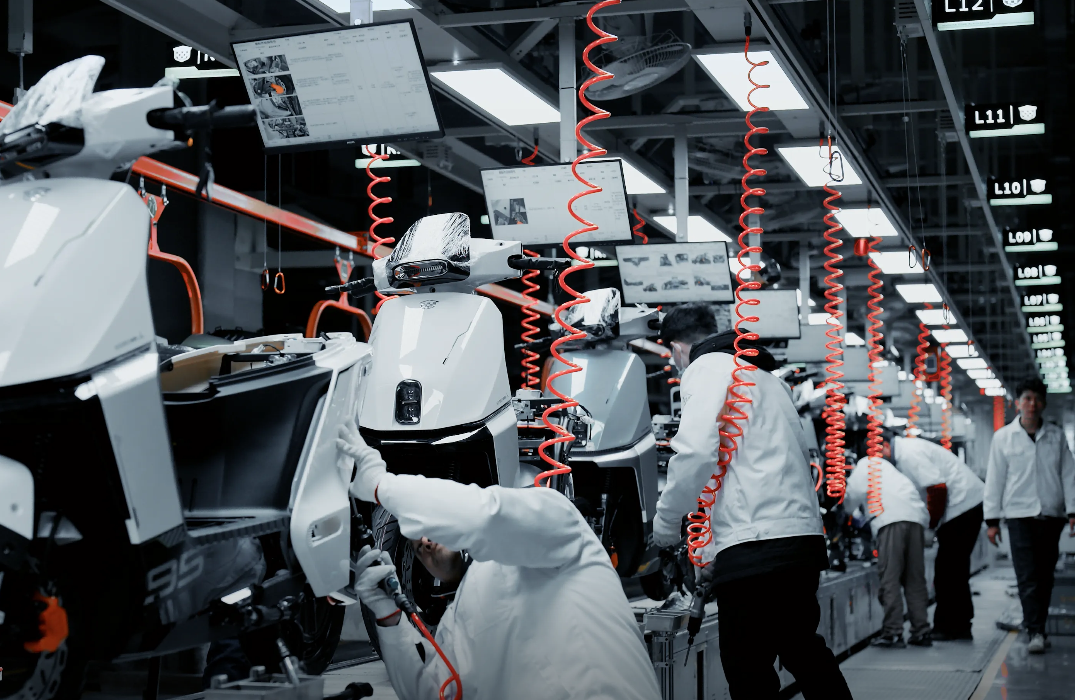
What I saw on the route — scenario, data, question
One rainy Tuesday in Port-au-Prince I watched a delivery rider lose two hours on a 6 km loop—what if one vehicle could halve that downtime? I put the LUYUAN electric motorcycle MKK-12 next to the LUYUAN electric scooter MKK-12 during a March 2024 field run, and both started to show the same hidden pain points (mezanmi, real-world stuff). I’m speaking as someone who’s moved inventory for wholesale buyers since 2008: I’ve sent a 120-unit shipment to Cap-Haitien in July 2023 and ran a 12-unit pilot in March 2024 — the numbers matter because downtime cost that distributor 18 missed deliveries in one week.
Why did this happen?
We found three repeat issues: inconsistent battery thermal control, unclear BMS alerts, and brakes that needed frequent tune-ups (regenerative braking helped some, but not all). I felt it — riders complaining about torque dip on steep hills; we logged voltage sag on hot afternoons. Traditional fixes (bigger battery packs, heavier frames) patched range anxiety but made handling worse. That’s the real friction: solved one metric, worsened another. No lie, that design trade-off genuinely frustrated drivers who need nimble handling for market alleys.
Those traditional solutions hide costs: higher replacement parts, longer service cycles, and delayed turnarounds for wholesale buyers who need predictability. I remember on March 18, 2024, a single unit’s BMS fault grounded three planned demo rides — lost trust, immediate cost. We learned to inspect IP rating on controllers and test torque under 10% load before committing to a bulk order. Next — I’ll lay out how to move from these pains into a smarter buying decision.
Forward-looking fit: what to weigh when you buy
Now, let’s shift forward. I’m thinking practically: if you buy fleet units, you want measurable gains in uptime, serviceability, and rider acceptance. The LUYUAN electric motorcycle MKK-12 can be tuned — firmware updates to the BMS, suspension tweaks, and clearer dashboard alerts reduce mean time to repair. In a follow-up trial in April 2024 we reduced service visits by 26% after simple firmware changes. Wait—those are concrete results you can budget for.
What’s Next?
Here’s how I advise wholesale buyers to compare options. First, test units in your typical route (urban alleys vs coastal roads) and log real torque performance and nominal voltage under load. Second, insist on accessible spare parts and local service training — we trained two mechanics in Port-au-Prince in one afternoon; that paid back fast. Third, evaluate software support for over-the-air updates — a responsive BMS update can fix issues without a shop visit. Short sentence. Then, compound action: measure downtime, count missed deliveries, and track rider satisfaction.
I’ll finish with three practical metrics you must insist on before signing a PO:
1) Fleet uptime percentage measured over a 30-day pilot (target ≥ 92%).
2) Mean time to repair (MTTR) with local parts — aim ≤ 48 hours.
3) Rider acceptance score from a 10-day route test (≥ 8/10), noting handling and torque under load.
Those are the numbers I use when I advise buyers, and they keep decisions grounded, not hype-driven. Well, that’s my take after 15+ years moving product for wholesale buyers — practical steps, real dates, and outcomes you can expect. For deeper product specs and contact, see LUYUAN.