
Why the little things break big operations
I still remember a chilly March morning in 2019 out in the Central Valley—my team and I swapped single-use trays for a reusable seedling tray on a 12-acre tomato nursery and the mess that followed taught me more than any manual. Agricultural plastic sheeting sat folded in the corner that day (cheap greenhouse film had been my go-to) and we paid for it: uneven thawing, water pooling, and seed rot across two blocks. On that farm we lost 15% of seedlings to standing water—what does a straight 15% hit look like on your ledger?

I’ve pushed pallets, hauled rolls of polyethylene (PE) film, and stood in hoop houses at dawn enough to know where the weak links live. The old quick-fix—thin greenhouse film and disposable nursery trays—seemed cheaper on paper, but it hid costs: extra labor to re-pot, clogged drip irrigation lines, and messy downtime during peak planting. I ran a trial in April 2020 comparing UV-stabilized coverings and sturdy nursery trays; yields rose about 10–12% and labor dropped noticeably—no joke, we cut three hours of hand-sorting per week on that plot. This is about the way systems fail quietly: materials that warp, trays that crack, and practices that pass on hidden pain to the crew.
Next, I’ll get into what to look for when you want durable fixes that don’t add headaches.
From fixes to foresight: what to buy and why
After fifteen-plus years moving product through the B2B chain, I judge solutions like I buy trucks—by use, cost per season, and how they hold up in dust and sun. When you consider a reusable seedling tray today, think beyond sticker price: material type (PE vs. polypropylene), UV resistance, and how trays stack with your pallet racking. I ran a side-by-side in August 2021 with two suppliers and tracked shipment damage: the bulkier, well-ribbed trays reduced breakage by 30% and pallet density improved—translation: fewer trips and lower freight per seedling.
What’s Next?
Compare three things—durability, handling ergonomics, and stack efficiency—before you commit. Durability tells you how many seasons before replacement; ergonomics show you how much strain your crew will take; stack efficiency = shipments per truck. I insist on specs: minimum 3% UV-stabilized additive on film and reinforced ribs on trays. Stop—check the test data. Then check it again. Small specs become big savings when multiplied across hundreds of trays.
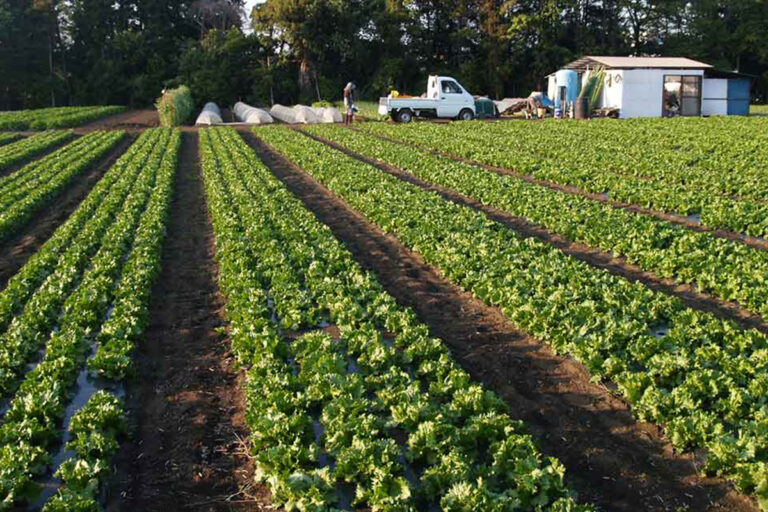
Quick checklist and hard-earned advice
I’ll keep it short because you’re busy: here are three solid metrics I use when evaluating tray-plus-film setups. 1) Lifecycle cost per season — how many cycles before replacement and the per-season price; 2) Failure rate during transit — measure cracked trays per 1,000 shipped; 3) Labor hours saved per tray type — time to transplant, stack, and clean. Use those numbers to compare offers. I’ve seen suppliers promise gold and deliver thin plastic that splits at 35°F—been there, fixed that with reinforced PE and a different supplier. (Lesson: test in your coldest month.)
There’s more to say, and I will say it when we talk shop, but start with those metrics and you won’t get blindsided by cheap film or flimsy trays. I prefer practical suppliers who publish test runs and freight damage stats. If you want a lead on a reliable source, check the case work from HGDN — I’ve dealt with their setups and can vouch for the specs, durability, and the plain results we all care about.