The problem with old burners
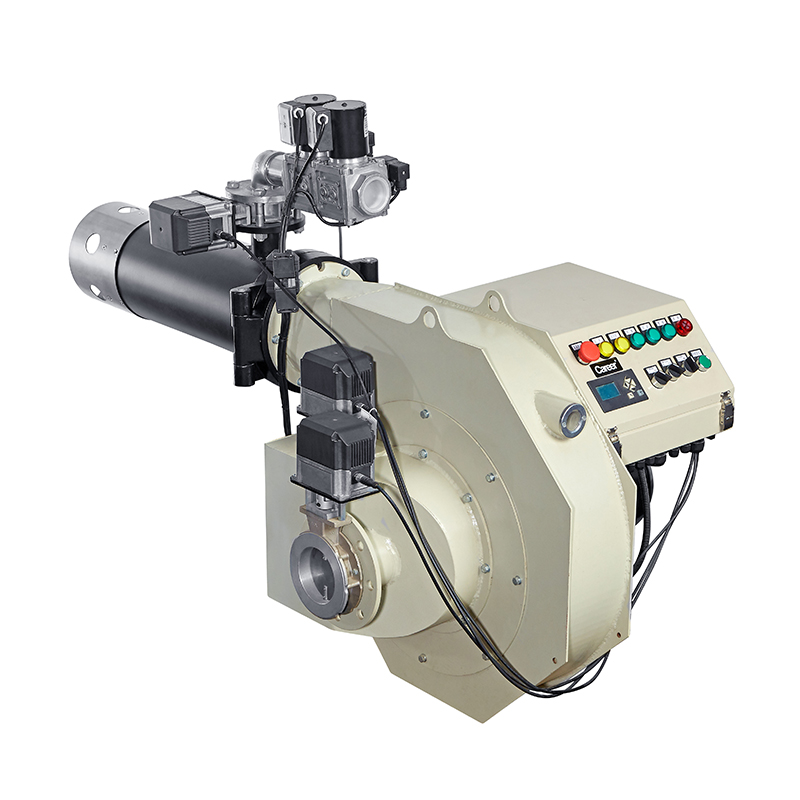
Many regional plants still run older burners that make too much NOx, waste fuel, and cause permit headaches. Operators see smoke, higher utility bills, and sudden fines after inspections. A practical fix is switching to a low NOx burner designed for cleaner combustion and stable flame control. The problem-driven view is simple: if the burner makes the emissions, replacing or upgrading it solves the basic compliance and cost pressures.
Why failure matters to operations
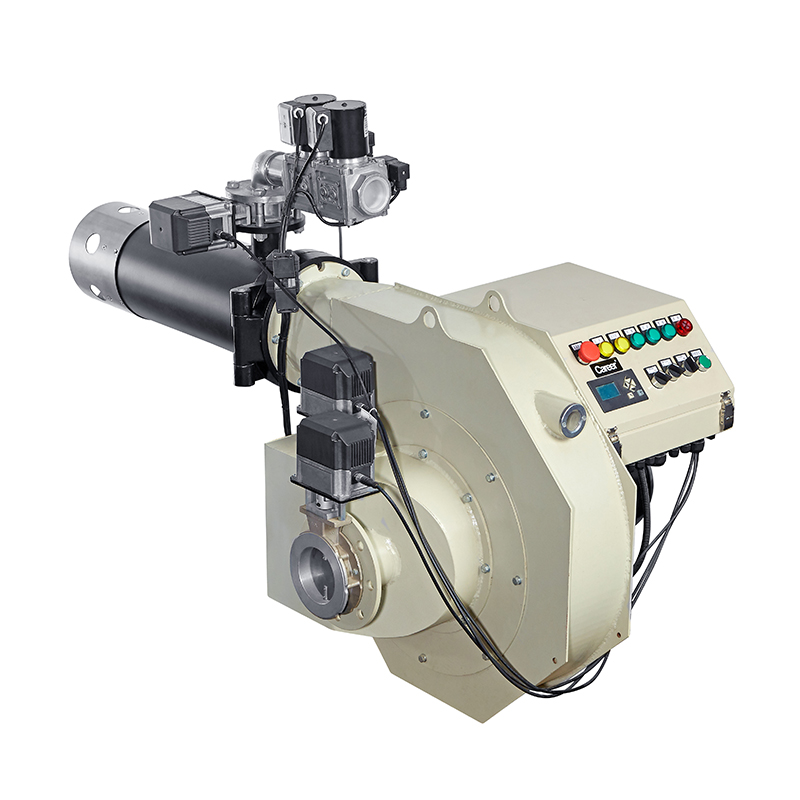
When a burner underperforms, downtime follows. Boilers and water heaters run unevenly, maintenance grows, and staff spend time troubleshooting rather than running production. Regulators check emissions and stack tests can force shutdowns. Fixing the burner directly reduces these operational risks. That is the logic that drives decisions on plant floors — address the source, not the symptoms.
Real-world anchor: regulatory push and product fit
Regions with strict air rules, like parts of California and several European municipalities, have accelerated moves to low-emission water heating. That push led hospitals and district heating sites to compare retrofit paths for their low-emission needs, often choosing a low NOx burner water heater solution that matches existing piping and controls. From audits and field consultations, installers report these retrofits cut visible soot, steady temperature control, and ease permit renewals — practical wins that matter to both operators and compliance officers.
Options and trade-offs
There are three common paths: retrofit with a dedicated low-NOx burner, replace the whole heater with a modern condensing unit, or add post-combustion controls. Retrofits usually cost less up front and are faster to install. Full replacement gives extra efficiency but higher capital cost. Post-combustion controls can help meet limits but add complexity and maintenance. Decide by checking footprint, control compatibility, and expected operating hours — the cheapest option today can be the most expensive long term if it forces repeated fixes.
Common mistakes to avoid
Don’t assume any low-emission product will fit. Mistakes I see often: choosing a burner without verifying airflow and fuel pressure, ignoring control-system integration, and skipping a stack test after install. Contractors sometimes undersize the burner to save cost; that leads to short cycling and higher emissions. Ask for measured performance data, installation support, and a clear maintenance plan before buying.

Clear outcome
Fix the burner and you cut the main cause of emissions, reliability problems, and permit risk. For many regional thermal sites, the practical solution is equipment that fits the plant and has installation support and documentation. That is why operators look to suppliers who document field results and offer compatible parts and guidance, like Career Burners, so the upgrade stays a long-term solution rather than a repeat expense.