Introduction: A Morning at the Depot
I once watched a morning shift at a city bus depot where one bus missed its route because a charger was offline. That day, I learned how small hiccups cascade into big delays. The pantograph charger sat idle while technicians scrambled — and that single outage affected dozens of riders. Data shows fast-charging uptime targets often sit above 98% for transit fleets, yet many operators struggle to hit that mark (especially during peak hours). So what do we do when one contact system fault can ripple across a whole schedule?
I want to walk you through what I’ve seen work, and what usually fails. We’ll look at simple checks, common failure modes, and practical fixes that save time and money. I’ll share hands-on tips and plain-talk explanations — nothing too academic, just what a depot tech needs. Ready to dig in? Let’s get to the root causes next.
Part 1 — Why Traditional Approaches Often Fall Short
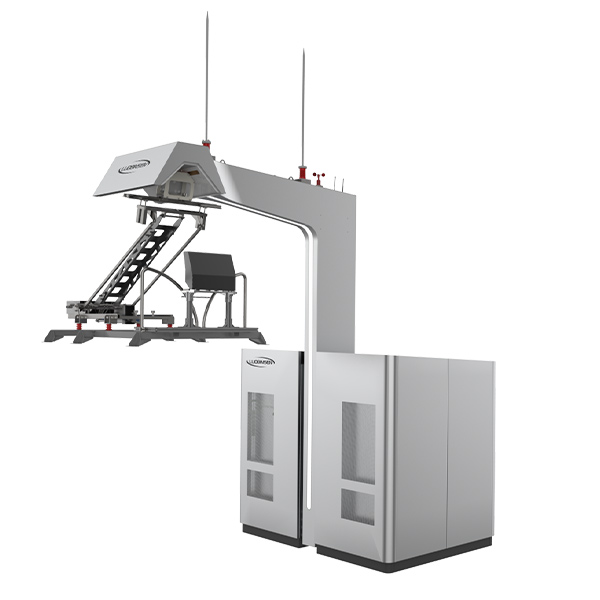
pantograph ev charging is a strong solution on paper, but I’ve observed recurring blind spots when teams rely on legacy routines. Many depots treat the pantograph like any other plug-in charger, yet the mechanical interface and overhead wiring demand different care. For example, wear on the contact strips can be gradual and uneven. If you only check connectors visually, you miss early surface degradation. That’s how a tiny issue becomes a downtime event.
Technically speaking, maintenance schedules often ignore coupling between electrical and mechanical subsystems. Power converters might be fine, but a misaligned head or frayed pantograph cable will still break the chain. I’ve seen control software report “normal” voltage while the physical contact has intermittent loss — the kind of fault that tests don’t always catch. Look, it’s simpler than you think: combine visual inspection with basic diagnostic logs and you’ll spot 60–70% of impending failures before they ground a bus.
What failures do I see most?
Most often: contact wear, sensor drift, and connector contamination. Sometimes it’s software timing with the vehicle’s CAN bus. I keep a short checklist that pairs mechanical checks with signal-level readings (voltage spikes, dropouts). And yes — spare parts inventory matters. Running out of a single contact strip will stretch a fix from hours to days. — funny how that works, right?
Part 2 — Moving Forward: Trends and Practical Futures
Now, let’s look ahead. I’m confident that smarter diagnostics and better integration will cut incidents. For pantograph bus charging, fleets are starting to adopt predictive maintenance that uses trend analysis from historical logs. When a contact resistance creeps upward, the system flags it days before failure. That’s where edge computing nodes and local analytics come into play: you don’t need a central server to see a problem forming. A short data burst, right at the depot, is often enough to schedule a quick repair and avoid service disruption.
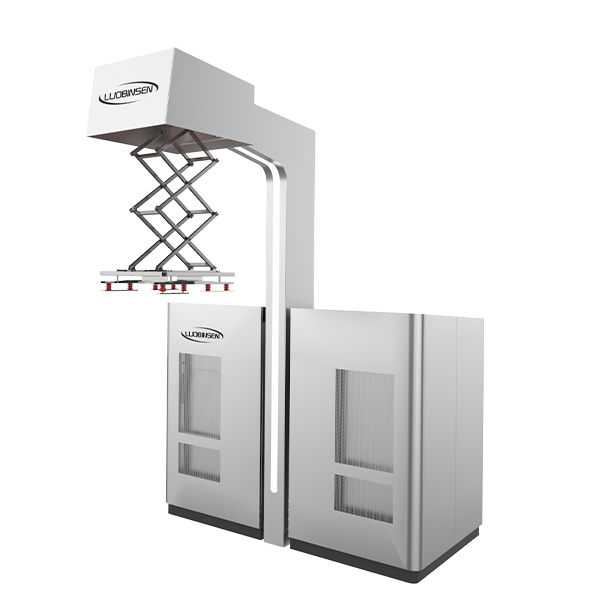
There are also practical gains from design tweaks. Modular contact heads that snap in place make field swaps faster. Improved power converters with better surge handling reduce stress on the contact system. When I consult with ops teams, I push for small trials — one bay, one bus — to test changes before fleetwide rollouts. Results often surprise people: modest changes yield measurable uptime gains. Keep an eye on interoperability too. Systems that speak the same communication protocols (CAN, Modbus) are easier to monitor and maintain.
What’s Next for Depots?
I think we’ll see broader use of remote diagnostics, automated alerts, and tighter spare-part loops. Fleets that adopt these steps reduce reactive repairs and improve rider reliability. Here are three practical metrics I recommend using when evaluating a solution:
1) Mean Time Between Failures (MTBF) — measure how long a charger runs before an outage. 2) Mean Time To Repair (MTTR) — track how quickly your team restores service. 3) Diagnostic Coverage — percent of failure modes your system can detect before they cause downtime.
Use these metrics together and you’ll get a fuller picture. I’ve helped teams implement them, and the improvements are real — lower delays, happier riders, and less frantic weekend work. For practical equipment and parts, I often point teams toward trusted suppliers who back their products and documentation. If you want a starting point for components and system kits, check resources from Luobisnen.