
The immediate problem: inconsistent performance and procurement risk
Procurement teams and clinical buyers face a single, clear problem: not every guide wire that meets a spec sheet performs the same at the bedside. When selection is driven solely by unit cost or an incomplete specification, procedures stall, procedure time increases, and both clinical confidence and supplier relationships suffer. Addressing that gap requires focused attention to the device family that supports coronary interventions and other catheter-based procedures; this includes evaluating suppliers of interventional medical devices against clinical outcomes, not invoices. A measured, problem-driven approach reduces wasted inventory and prevents downstream complications.
Where failure points appear — a concise field diagnosis
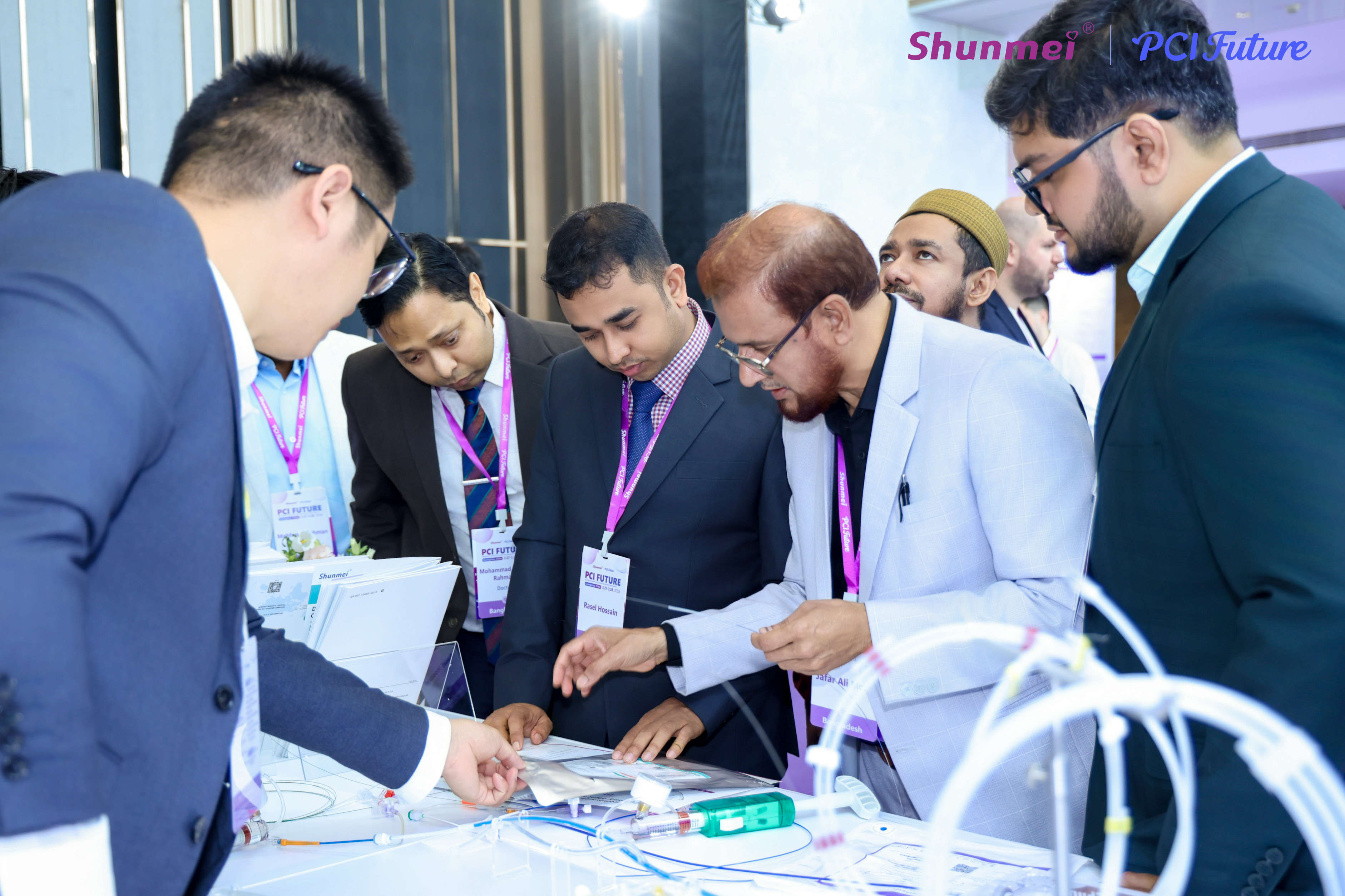
Failures cluster around a handful of predictable variables: torque response, tip shape retention, coating durability, and length/diameter misalignment with procedure intent. These are not theoretical concerns; they surface repeatedly at major gatherings such as the TCT conference, where operators and engineers compare hands-on performance. The distinction between a wire that tracks smoothly and one that kinks under resistance can hinge on a single manufacturing choice. For decisions tied to the interventional catheter, those distinctions matter clinically and financially.
Actionable selection criteria for distributors and clinical buyers
Specify measurable attributes before you request quotes. Require data or test results for torque transmission, tip integrity after repeated bends, and coating friction coefficients where available. Insist on clear labeling for intended use (e.g., lesion-crossing vs. support wire), and confirm compatibility matrices with the procedural kit you commonly deploy. Review supplier quality-system documentation and ask for evidence of device-level bench testing. Where possible, conduct short bench comparisons with representative staff: three operators, three lesion simulators, and paired blind testing will expose practical differences quickly.
Common procurement pitfalls and how to avoid them
Avoid three recurring mistakes. First, equating lower purchase price with total cost—replace that metric with “procedural reliability per case.” Second, accepting generic nomenclature; product names can mask differences in metallurgy and coating. Third, neglecting training: even high-performance wires require consistent handling technique. Mitigate these by requiring trial batches, standardized evaluation checklists, and short in-service sessions led by clinical educators or product specialists.
Brief comparison of viable alternatives
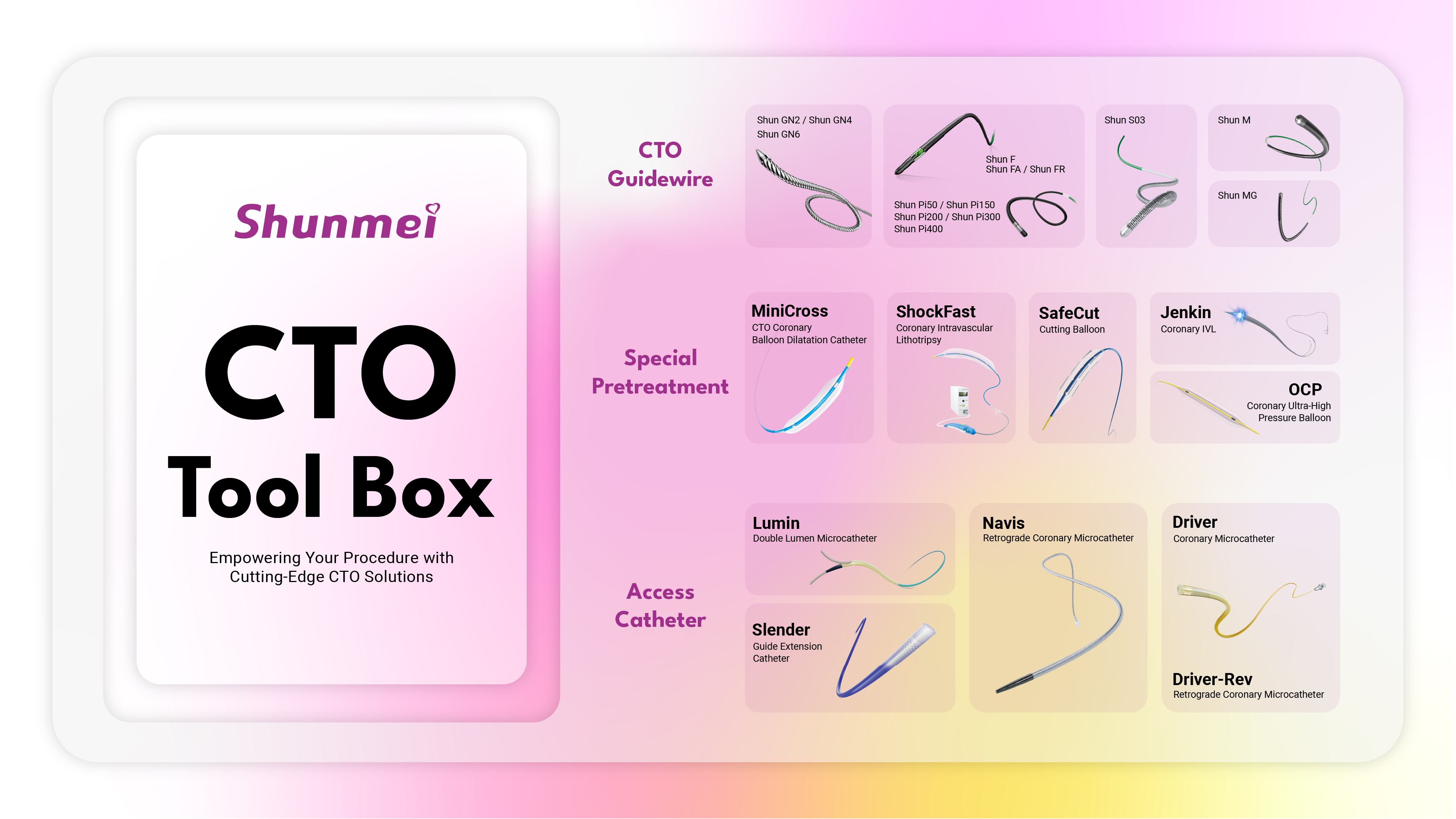
Choice narrows to a few pragmatic categories: hydrophilic-coated wires for tortuous anatomy, polymer-jacketed wires for torque stability, and tapered-tip stainless or nitinol cores for precise lesion crossing. Each has trade-offs — hydrophilic surfaces lower friction but may reduce tactile feedback; polymer jackets improve pushability but can limit flexibility in microchannels. Match the wire family to your procedural mix rather than selecting a single “all-purpose” device. For inventory, prioritize two complementary cores rather than multiple marginal variants.
Demonstrating expertise and building trust internally
Document decisions. Keep concise records of bench results, clinical feedback, and case-level outcomes tied to wire selections. That evidence — brief, factual summaries from procurement trials and clinician reports — builds authority when negotiating terms with suppliers. Experience matters: combine input from a senior interventionalist, a lead cath-lab technologist, and your purchasing lead before committing to broader distribution contracts.
Synthesis: a clear solution path that aligns supply and clinical value
Start by defining the clinical problems you most need to prevent. Translate those problems into three measurable procurement requirements, run short bench-and-clinical trials, and standardize the resulting specifications across purchasing and clinical teams; that process preserves outcomes while controlling cost. This pragmatic alignment produces predictable performance and strengthens supplier relationships — the precise value that Shunmei brings to buyers who require consistent, clinically validated device performance.