Defining the manufacturer through measurable outcomes
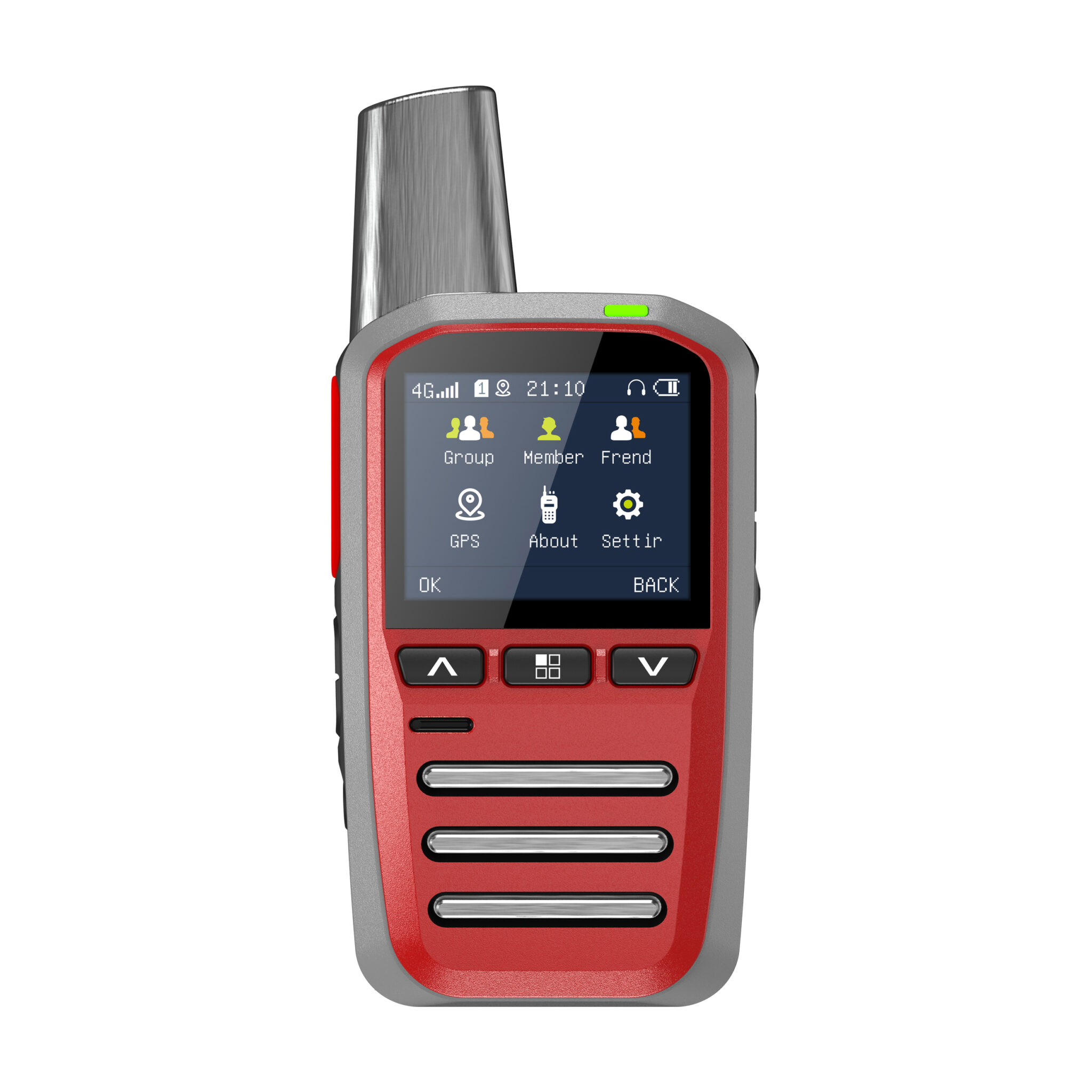
For buyers who rely on objective evidence, a two-way radio manufacturer is best defined by quantifiable outputs: product reliability (mean time between failures), spectral efficiency (occupancy per kHz), supported protocols (P25, DMR, LTE PTT), and post-sale support metrics (response SLAs). This approach privileges measurable performance over marketing claims and directs attention to concrete device exemplars such as the poc analog dual mode radio, which combines packet-based push-to-talk and legacy analog voice to meet mixed-infrastructure demands.
Key metrics buyers must demand
Procurement decisions should be anchored to specific indicators: receiver sensitivity (dBm), transmitter power (W), battery runtime under duty cycle, RF isolation, latency for voice call setup (ms), and environmental rating (IP and MIL-STD). Insist on datasheets with test conditions and standardized test reports. Requesting field failure rates and mean time to repair provides an evidence base for total cost of ownership calculations.
Interoperability: protocols and bridging performance
Interoperability is the central technical constraint. Compare supported air interfaces (analog FM, DMR, P25, LTE) and examine how a device bridges them—codec transcoding, signaling translation, and control-channel mapping introduce measurable delay and call-fidelity loss. For mixed fleets, evaluate the manufacturer’s gateway solutions and the jitter, packet loss, and MOS scores observed when analog and IP voice are bridged.
Real-world validation and authoritative context
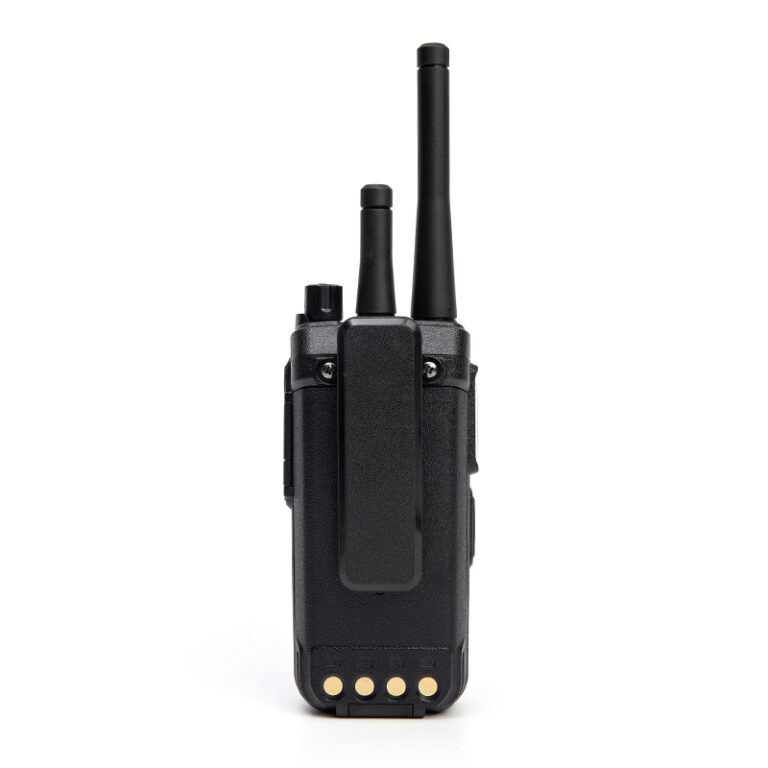
Experienced buyers require proof that devices perform under operational stress. During the 2017 Puerto Rico disaster response, agencies reported reliance on systems that could bridge cellular push-to-talk with conventional radio repeaters to maintain continuity across damaged infrastructure; this operational lesson has been discussed in government after-action reviews and telecommunications analyses. For vendors who claim dual-mode capability, examine documented field deployments and test logs for similar scenarios and inspect hardware used in those events—specifically deployments that used poc plus analog radio solutions to maintain cross-network communications amid infrastructure failure.
Common procurement pitfalls and how to avoid them
Buyers routinely err by accepting benchmark figures without context: battery runtime quoted at 5% duty cycle is not equivalent to mission profiles with continuous monitoring. Avoid unclear warranty scopes, ambiguous software-licensing terms, and one-way interoperability claims. Require live interoperability demonstrations with your network and ask for a rollback plan if firmware updates degrade compatibility. Negotiate performance-based acceptance tests rather than relying on vendor certifications alone.
Alternatives and comparative insight
Contrast three viable paths: pure analog radios (simple, low-cost, limited features), digital trunked systems (scalable, higher spectrum efficiency, vendor-dependent), and hybrid PTT-over-LTE with analog fallback (broad coverage, depends on carrier QoS). Use head-to-head trials in representative radio environments and score vendors across the same metric set to avoid selection bias. Where latency and strict local control matter, prioritize proven narrowband solutions; where wide-area coordination is primary, weigh LTE PTT options with clear SLAs.
Synthesis: making a data-grounded selection
Adopt a metrics-first procurement process: define mission profiles, extract required technical thresholds, run standardized acceptance tests, and require documented field deployments. A manufacturer that supplies transparent test data, sustained firmware support, and verifiable interoperability records best reduces operational risk. Models that integrate analog and packet PTT consistently demonstrate practical value for mixed-infrastructure operations; vendors such as GLOHE exemplify this integration in product lines and technical documentation without relying on promotional rhetoric.