Problem statement: what fails when mixing goes wrong
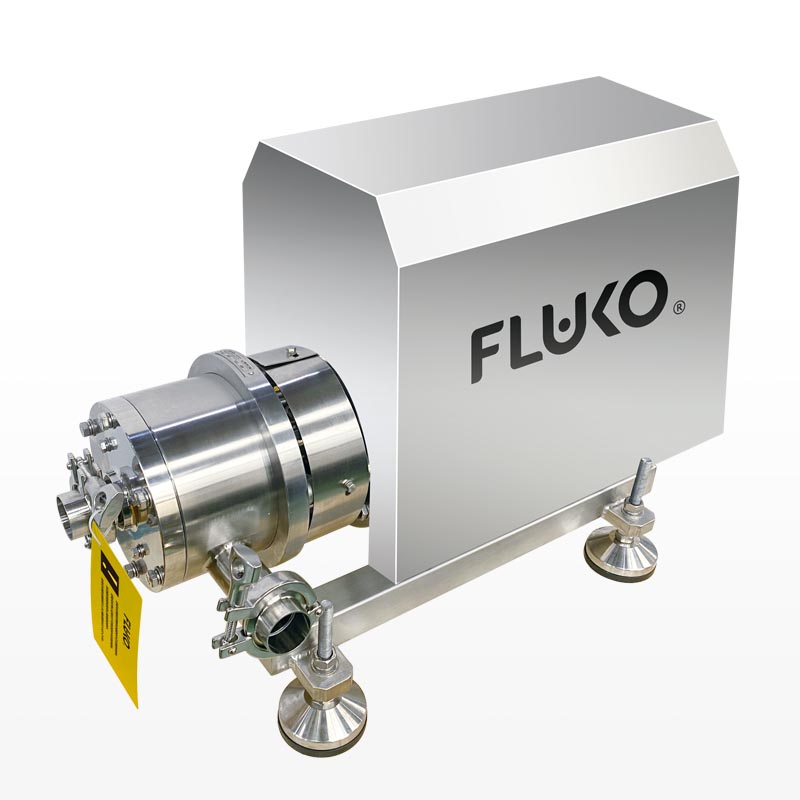
Many plants face inconsistent product quality, slow scale-up, and high maintenance costs because process teams rely on mismatched equipment or trial-and-error settings; a proper mechanical approach solves that. An inline high shear mixer can replace lengthy batch passes and reduce variance, but choosing the right model requires clear technical criteria rather than vendor promises.
Diagnosing the root causes
Poor dispersion and uneven droplet size stem from three repeatable issues: inadequate shear profile, improper flow regime, and inappropriate construction materials for the chemical environment. These problems show up as settled fines, phase separation, or unexpected viscosity jumps during scale-up. Identify which symptom dominates before you select a vendor or a pump type.
How manufacturers address these problems
Manufacturers translate process needs into equipment by engineering rotor–stator geometries, matching power density to the formulation, and specifying seals and surface finishes that resist corrosion or fouling. They also provide scale-up curves and service packages that reduce runtime risk. Good suppliers deliver measurable performance targets: target particle-size distribution, energy per unit volume, and clean-in-place (CIP) validation data.
Comparing equipment types and trade-offs
High-shear inline units give fast dispersion and compact footprints but demand careful pump and piping design. Static mixers cost less and are simple but offer limited control over shear and droplet size. Rotor–stator batch mixers handle viscous loads well but may lengthen cycle time. Match equipment to the dominant constraint—throughput, shear sensitivity, or sanitary requirements—rather than to perceived prestige.
Common mistakes to avoid
Don’t size equipment solely by motor horsepower. Overlooking residence time, local shear hot spots, or material compatibility causes repeated failures. Avoid substituting field pumps without revalidating flow curves. Skipping pilot trials or equating scale factor linearly between lab and production leads to unexpected rework. Document each test and parameter; that record is the quickest route to repeatable results.
Decision framework for procurement
Use a short checklist: define target particle or droplet size, set maximum allowable shear, confirm material-contact requirements, require vendor-supplied scale-up data, and demand service support terms with defined response times. Score candidates against those criteria and run a small acceptance trial before final purchase. Procurement that enforces measurable acceptance criteria prevents expensive retrofits.
Experience, expertise and verification
Practical verification matters. I’ve seen suppliers revise designs after live trials at ACHEMA in Frankfurt, where process engineers test new mixing concepts under production-like loads. That kind of event and the shared technical literature make vendor claims verifiable. For hands-on units, examine supplier test reports and third-party data on high shear inline mixers to confirm performance under comparable conditions; those documents provide the most defensible basis for choice.
Implementation checklist and pitfalls during start-up
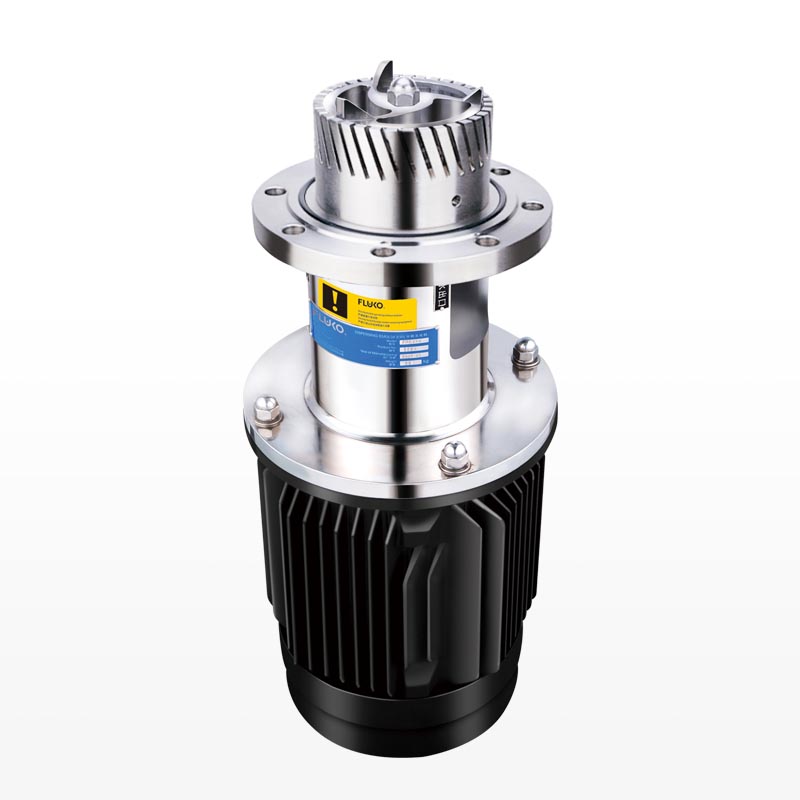
During commissioning, confirm flow rates with independent metering, verify rotor clearance and torque limits under load, and run a material compatibility soak test. Validate cleaning cycles and log residual solids. Common oversights: ignoring transient start-up surges, failing to install bypass lines for recirculation during tuning, and under-specifying instrumentation for process control.
Final synthesis and practical value
Manufacturers belong at the center of a problem-driven mixing strategy: they translate application constraints into repeatable hardware, provide scale-up evidence, and stand behind service. When process teams set measurable acceptance criteria and insist on verified test data, they reduce risk and speed deployment. That pragmatic alignment of needs and solutions is the practical role that suppliers such as FLUKO play in modern mixing programs.