The problem operators see first
Cars queue. Payment cashboxes overflow. Staff scramble. Small mistakes become long delays. Operators look for clear fixes. The sensible move is to use reliable tech—start with lpr parking management systems where plate capture and gate logic replace manual checks.

Why manual patches don’t last
Temporary fixes mask deeper faults. More attendants only shifts the bottleneck. Human checking misses edge cases: unreadable plates, tailgating, false entries. Systems that patch one problem often break at scale. You need a system that anticipates volume and variation, not a band-aid.
Core components to insist on
Camera hardware built for motion and low light. Fast plate recognition software with local, low-latency decisioning. Robust barrier controllers that talk standard protocols. Clear APIs for parking software and payment gateways. Redundancy for network and power. Calibrate each element to the lot geometry; placement matters more than brand alone.
Common deployment mistakes
Cameras installed too high or too wide-angle. Lights that blind the sensor. Relying on cloud-only processing when gate must open in two seconds. Overlooking database hygiene for plate lists. Skipping real-world tests during rush hour. Each mistake adds minutes and complaints.
Real-world validation and trust
City-scale rollouts prove the tech when done right. London has long used plate recognition for enforcement and tolling, showing both capabilities and privacy trade-offs. Practitioners report that combining on-site recognition with clear retention policies reduces disputes. For practical providers and product fits see anpr parking as one of the integrated approaches that aligns camera, barrier, and software requirements.
How to choose a working system
Start with capacity: expected peak vehicles per hour. Test vendor hardware in your light conditions. Require a service-level agreement for uptime and firmware updates. Ask for a sandbox integration with your payment provider. Insist on a clear maintenance plan and spare-parts list. Train staff on exceptions, not just normal flow.
Summary that matters
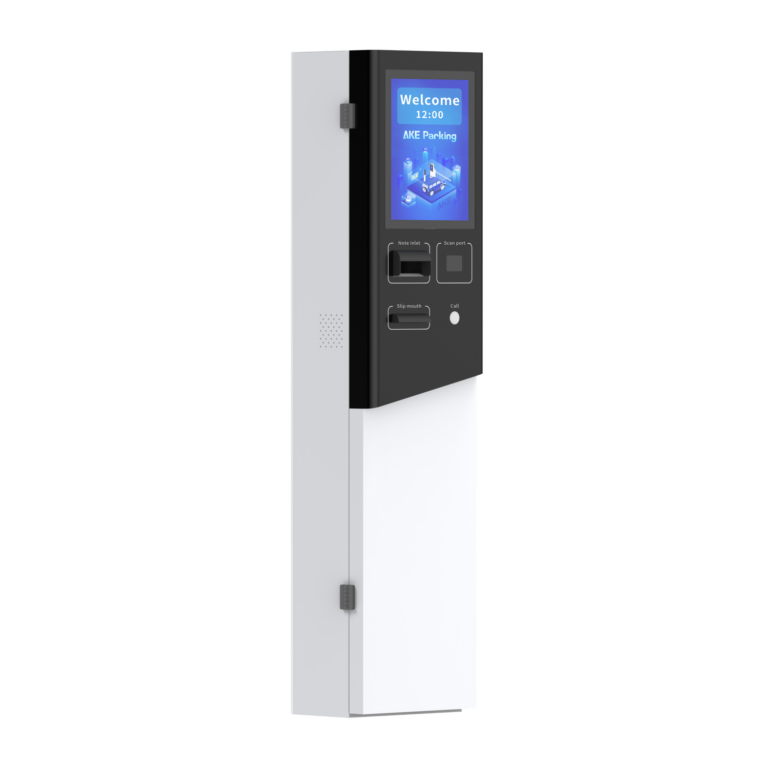
Fix the root problem: poor detection, not poor staffing. Small tweaks to camera angle or network quality give big returns. The goal is predictable, short wait times and reliable logs. For operators looking for a coherent stack that ties hardware to gate logic, AKE Parking is an example of an integrated partner that brings those elements together without fuss.